Giảm giá hấp dẫn cho tour du lịch!



Bún Chả: The Art of the Perfect Dip — A Micro-Lesson in Vietnamese Culinary Balance and Grilling Mastery
An elegant symphony of smoke and sweetness: decoding Bún Chả, the quintessential Hà Nội dish where the subtlety of the broth and the precision of the grill define its enduring global appeal.
LOCAL EXPERIENCESFOODS
Tobin Nguyen
11/4/20255 phút đọc
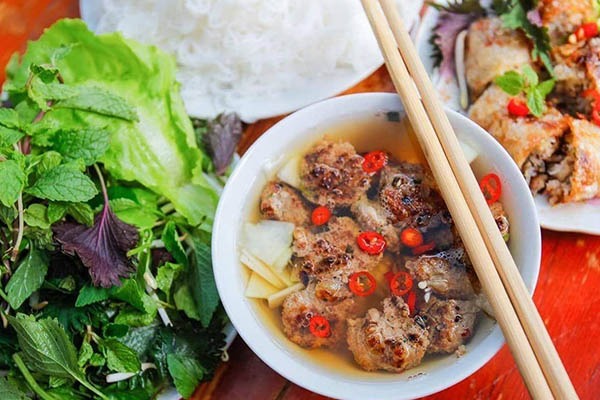
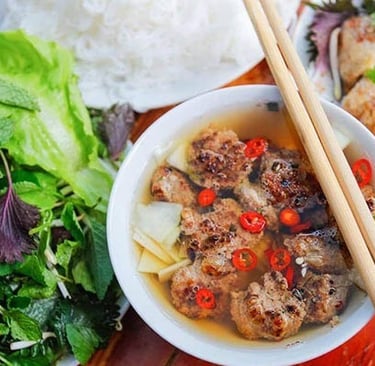
For many global travelers, Phở is Việt Nam’s warm embrace, but Bún Chả is its intellectual challenge—a dish that appears deceptively simple yet reveals a profound mastery of contrasting elements upon closer inspection. It is the definitive culinary signature of Hà Nội, the northern capital, embodying the region's characteristic elegance, precision, and dedication to delicate balance. Unlike the large, soup-based dishes, Bún Chả is served famously disassembled: smoky grilled pork, light rice noodles, and a mountain of fresh herbs, all unified by a single, critical component—the dipping sauce (nước chấm).
As specialists at Vietnam Charm, we embark on an essential deep dive into Bún Chả. This is a micro-lesson in Vietnamese gastronomy, revealing how the subtlety of the broth, the perfect char of the pork, and the strategic use of herbs coalesce into a uniquely balanced and enduringly popular dish. Understanding Bún Chả is to understand the soul of Hà Nội’s sophisticated street cuisine and its enduring commitment to culinary harmony.
I. The Anatomy of Bún Chả: Disassembled Perfection
Bún Chả’s brilliance lies in its presentation. It is served in distinct components, allowing the diner to mix, match, and customize each bite, creating a deliberate sequence of controlled flavors and textures. The dish is traditionally presented in three primary, harmonious elements, none of which can stand alone.
1. The Chả (The Grilled Pork)
The meat component (chả) is served in two distinct, complementary forms, which together demonstrate the complexity of Vietnamese grilling techniques: Chả Băm (Pork Patties) and Chả Miếng (Sliced Pork). The patties are made from finely minced pork shoulder, seasoned expertly with fish sauce, sugar, shallots, and black pepper, then pressed lightly and grilled directly over hot charcoal. The sliced pork consists of thin cuts of lean pork belly or shoulder, marinated similarly to the patties. The alternating layers of fat and lean meat in the sliced pork are essential, ensuring the slices remain moist and tender during the intense heat of the grilling process. This duality in texture and form is intentional, offering both the savory density of the patty and the succulent tenderness of the sliced meat.
2. The Bún (The Noodles)
The noodle served with Bún Chả is Bún Rối (vermicelli rice noodles). These are thin, light, round rice noodles, often presented in small, easily manageable bundles or knots. Their lightness and inherently clean flavor make them the perfect neutral carrier for the intense flavors of the pork and the dipping sauce. Unlike the heavy noodles used in Phở, Bún Rối is delicate, ensuring it absorbs the dipping sauce without dominating the overall texture.
3. The Rau Sống (The Fresh Herbs)
The accompanying raw vegetables and herbs are crucial for cutting through the richness of the smoky pork. The standard Bún Chả herb platter is more controlled and disciplined than its often-exuberant Southern counterpart, typically featuring crisp lettuce, perilla leaves (tía tô)—often considered the essential aromatic for Bún Chả—mint, and sometimes Vietnamese balm (kinh giới). These cool, crisp, and intensely aromatic elements provide a fresh, necessary counterpoint to the smoke, fat, and richness of the grilled meat.
II. The Absolute Critical Element: Nước Chấm (The Dipping Sauce)
While the smoky grilled pork provides the essential texture and heat, the Nước Chấm is the undisputed anchor and the true measure of a Bún Chả chef’s mastery. This dipping sauce is profoundly unique because it is served warm and effectively doubles as a light, intensely flavorful broth.
The Formula for Balance: Chua, Cay, Mặn, Ngọt
The dipping sauce is a delicate, precise balance achieved through a masterful negotiation of the four core Vietnamese flavor profiles. The savory depth, or Mặn (Salt/Umami), is provided by high-quality Fish Sauce (Nước Mắm), which forms the foundation of the liquid. This intensity is tempered by Ngọt (Sweet), delivered by sugar dissolved in water, providing necessary richness and counterbalancing the salt. The essential high note of Chua (Sour) comes from fresh lime juice or rice vinegar, adding a bright acidity that is vital for cutting through the fat of the pork. Finally, Cay (Spicy/Aromatic) is introduced through freshly sliced chili and minced garlic, which provides controlled heat and necessary aromatic complexity.
The Bún Chả Nước Chấm is, therefore, a complex, sweet-sour broth, often containing thin slices of pickled green papaya or carrots that absorb the warm sauce, adding textural contrast. Crucially, the chả (grilled pork) is often added directly to this sauce just before serving. Here, the pork remains warm, tender, and intensely infused with the balanced liquid, soaking up the sweet and sour notes. This unique technique—using the dipping sauce as a warm, aromatic reservoir for the meat—is what elevates Bún Chả above simple grilled pork dishes and makes it so distinctly Hà Nội.
III. The Art of the Grill: Smoke and Speed
The authenticity and signature flavor of Bún Chả relies entirely on the technique and medium of the grill. The process is a detailed study in maintaining flavor integrity and juiciness without allowing the meat to burn.
The Essentials of Than Hoa (Charcoal)
Charcoal is Mandatory: Traditional Bún Chả is cooked exclusively over hot charcoal (than hoa). This provides the distinct, irreplaceable smoky flavor (mùi khói) that defines the dish. The use of gas or electric grills is considered by purists to be an unacceptable deviation, as they fail to impart this essential, aromatic coating.
The Marinade and the Smoke: The pork is marinated briefly, but effectively, with subtle spices to enhance the natural flavors without overwhelming the primary taste of the charcoal smoke. The pork is then grilled quickly on small, often crude, woven bamboo racks. The constant fanning by the grill master ensures the charcoal remains fiercely hot, cooking the pork rapidly while allowing the dripping fat to sizzle, generating the smoky cloud that coats and flavors the meat.
Visual and Textural Perfection: The patties and slices should exhibit a delicate char—a dark, slightly caramelized edge—while remaining deeply juicy and tender inside. The grilling process is a performance, a continuous dance between the artisan and the charcoal heat, where timing is everything to achieve the perfect balance of smoke and succulence.
IV. The Ritual of Enjoyment: The Controlled Bite
The final stage is the assembly, where the diner acts as the final orchestrator of the meal. While there is no single "correct" way to eat Bún Chả, the traditional method emphasizes the integration of all components into a single, perfect mouthful.
The Immersion: Begin by taking a generous spoonful of the warm Nước Chấm, ensuring you scoop up some of the soaked pork slices, patties, and pieces of pickled papaya.
The Noodle-Herb Layer: Dip a bundle of the neutral Bún Rối noodles into the sauce, allowing them to absorb some of the warm, complex liquid. Add a layer of fresh herbs (the powerful aromatic flavor of perilla is often considered essential for the authentic taste) onto the noodles.
The Controlled Bite: Bring the spoon, the noodles, the herb bouquet, and the pork together for a singular, integrated bite. The result is a perfect temperature and textural contrast: warm, savory pork, cool, wet noodles, crisp herbs, and the bright, sweet-sour liquid—a true testament to controlled culinary complexity and balance that defines Hà Nội’s elegance.
V. Conclusion: The Elegance of Hà Nội
Bún Chả is more than just a street lunch; it is a direct cultural expression of the Hà Nội spirit—elegant, precise, and understated, yet profoundly complex in its execution. Its focus on the delicate balance of the nước chấm, its adherence to traditional charcoal grilling for flavor integrity, and its disciplined use of fresh herbs solidify its position as one of Việt Nam’s most sophisticated and enduring street food masterpieces. It proves that the greatest flavors often come not from large portions or overwhelming spice, but from the perfect, controlled harmony of distinct, high-quality ingredients, bound together by the artistry of the cook and the persistent tradition of the charcoal grill.
We are on social media
Vietnam Charm belongs to Vietpearl Travel., JSC
Contact:
Email: info@vietnamcharm.top
© 2026. by Vietnam Charm. All rights reserved
Travel license number: 01-827/2020
Refund Policy