Giảm giá hấp dẫn cho tour du lịch!



Connecting Heritage: The Romantic Central Vietnam Journey – From Phong Nha Caves to the Huế Imperial City
A vital, emotionally resonant railway chapter connecting the raw majesty of Phong Nha’s geology with the refined, classical serenity of the ancient Imperial capital of Huế.
SHORE EXCURSIONLOCAL EXPERIENCES
Tobin Nguyen
11/4/20256 phút đọc
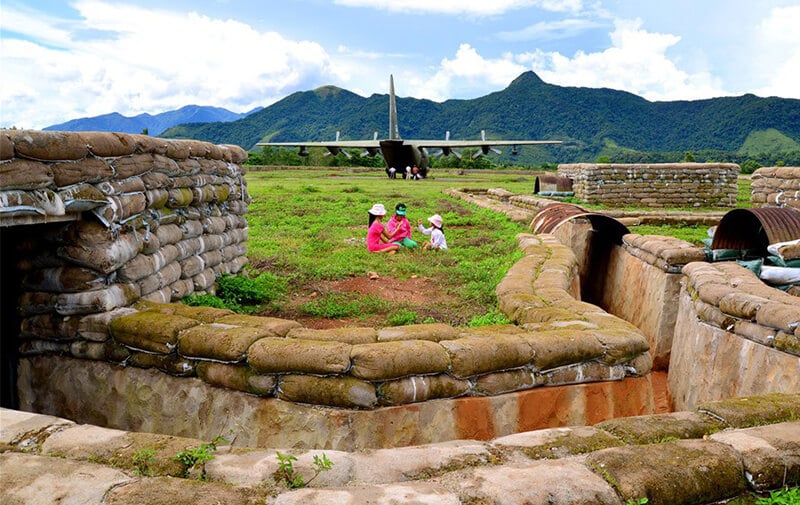
If the entire North–South railway route is likened to a long, sweeping novel detailing the nation’s history, the relatively short journey from Đồng Hới (Quảng Bình) to Huế is not just a chapter; it is a compact, dramatic, and emotionally resonant short story woven into the fabric of Central Việt Nam. This is not just a railway segment; it is an essential logistical and cultural bridge, connecting the area with the densest concentration of UNESCO cultural and natural heritage on the S-shaped strip of land. This train ride takes you not only across geographical space but profoundly through time and memory, transitioning smoothly from the millennia-old majesty of geological formations to the refined tranquility of the imperial court. It offers a rare, concentrated experience of Việt Nam’s central identity—a region scarred by conflict but rich in natural and human artistry.
As specialists in heritage logistics and romantic slow travel at Vietnam Charm, we outline the ultimate, multi-faceted strategy for you to leverage this short, pivotal train ride. Our goal is to transform what could be a long, tedious road transfer into a seamless, contemplative, and scenic highlight of your entire trip, demonstrating the profound depth achievable even within a short timeframe.
Heritage Optimization: The Bridge Between Phong Nha and the Imperial City
The greatest, most often underestimated advantage of this 3-to-5-hour train segment is its strategic ability to fundamentally optimize heritage logistics. The standard road journey between these two points—stretching approximately 250 kilometers—is long, often uncomfortable due to local road conditions, and prone to delays. The train bypasses these issues, making the journey part of the adventure and the most efficient way to link two distinct UNESCO zones.
The Seamless Transition Strategy: Maximizing Daylight Exploration
The success of this entire day relies on perfect synchronization of the two UNESCO sites:
Morning Geological Immersion (Phong Nha-Kẻ Bàng): You dedicate your early morning and early afternoon to exploring the magnificent, globally significant limestone caves of Phong Nha-Kẻ Bàng National Park (in Quảng Bình). Phong Nha, a UNESCO World Natural Heritage site, demands focus. Experiences here—whether the serene boat trip into the dark, cathedral-like recesses of Phong Nha Cave or the exhilarating trek through the massive scale of Thiên Đường Cave—conclude logically around lunchtime.
Midday/Afternoon Boarding (Đồng Hới): You then seamlessly board the train at Đồng Hới station around midday or early afternoon. The train acts as your moving sanctuary, providing a space for rest and reflection after the physical exertion of cave exploration.
Evening Cultural Arrival (Huế): Arriving in Huế by evening creates a perfect, sensory-rich climax. The contrast is palpable: you transition from the wild, dark, almost primal magnificence of the limestone caves and the raw, coastal nature of Quảng Bình to the solemn, classical, and subtle architecture of the Imperial City, perhaps just as the ancient walls are illuminated for the night.
This logistical efficiency and convenience of the train allow you to dedicate your most valuable time to actual exploration and deep experience, rather than complex, frustrating road transfers, which would consume half a day with minimal scenic reward. The train delivers you to the heart of the experience rested and ready.
The Romance of Connection: A Journey Across History and Conflict
The train journey from Đồng Hới to Huế is far more than an efficient transfer; it is a melodious piece of music set against a backdrop of deep history, gradual cultural change, and the stark memory of conflict.
The Landscape Narrative: Coastline, Delta, and Lagoon
The train carries you through a mesmerizing sequence of Central Vietnamese landscapes. You leave the coastal flatness near Đồng Hới, traversing vast expanses of lush green rice fields, past peaceful, small villages nestled amongst dense foliage. The romance of the trip lies not just in the natural beauty but in the palpable cultural and emotional shift it documents:
Coastal Plain and Farming Life: The early stages showcase the resilient farming communities, their lives inextricably linked to the unpredictable Central Vietnamese climate. Observing the efficiency of the rice paddies and the small family burial plots scattered across the fields offers a quiet lesson in the persistent agrarian life.
Lagoons and Estuaries: As the train approaches Huế, the scenery becomes dominated by the vast, tranquil surface of the Tam Giang Lagoon system—the largest in Southeast Asia—and the estuaries that link the rivers to the sea. The sight of conical fishing nets (lưới chài) and small wooden boats on the glassy water, especially under the soft light, evokes the serene, contemplative atmosphere that characterizes the Huế region.
The Historical Anchor: Traversing the DMZ Legacy
Crucially, the train route passes directly through the former Quảng Trị area—a land that bears the deepest, most visible scars of fierce wartime history and was the location of the former Demilitarized Zone (DMZ). Observing this landscape—now rebuilt, peaceful, green, and heavily cultivated—provides you with a deep, silent sense of the juxtaposition between past conflict and present tranquility. This serves as a vital historical anchor, reminding the traveler of the nation’s difficult journey toward unity. The rhythmic rumble of the train over the tracks that were once ripped apart by bombs emphasizes the extraordinary effort of national reconstruction.
Entering the Courtly Realm
As the train progresses southward and finally enters Thừa Thiên Huế province, the landscape gently, almost subtly, changes. The villages become architecturally more refined, the colors more muted, and the presence of ancient, moss-covered walls or subtly curved temple roofs increases. You leave behind the simple, robust, coastal character of the Quảng Bình region to subtly enter the refined, subtle, and historically layered courtliness of the Imperial City region. This subtle cultural cue is a valuable indicator of the historical transition you are completing.
The Romance of the Golden Hour: An Invitation to Contemplation
If you strategically choose to travel in the late afternoon, you will be rewarded with the most spectacular display of light and color. You will witness the moment the sunset casts its dramatic, intense golden and rose light over the vast surface of the rice fields, the estuaries, and the tranquil lagoons. This soft, ethereal lighting creates a magical, contemplative backdrop perfect for deep reflection and photography. The slow, rhythmic pace of the train once again becomes a profound advantage, demanding that you savor this scenic and cultural transition, providing an unmatched opportunity for introspection and spiritual decompression before arriving at the ancient capital. The train acts as a mobile meditation chamber.
Logistical Mastery: Seamless Transfers and Comfort Essentials
Given the intensity of the day—exploring large cave systems in the morning—comfort and seamlessness are paramount for the afternoon train ride. Successfully executing this transfer relies on professional coordination.
Prioritizing Comfort and Convenience
Soft Seating: While the journey is short, securing soft-seating tickets (Air Conditioned) is highly advisable. This ensures the 3–5 hour journey is restorative rather than exhausting, providing comfortable, supportive seats and access to cleaner, cooler facilities.
Pre-Arranged Transfers (The Critical Link): The key to success is the flawless transfer. This involves two critical points: first, the transfer between your Phong Nha cave tour vehicle and the Đồng Hới train station (requiring a precise 30-minute window for safety and ticketing); and second, the transfer from the Huế station to your hotel or next point of interest. This requires a professional logistics team monitoring the train's often slightly delayed arrival time and coordinating drivers precisely at the platform exit.
Onboard Amenities and Dining: The train offers basic but functional dining facilities (a rolling dining car) and local vendors offer simple snacks at station stops. However, given the short travel time, it is highly recommended to secure a quick, local lunch near Đồng Hới station or bring a light pre-packed meal to maximize flexibility and scenic viewing time. Your focus should be on the window, not the menu.
Conclusion: The Short Train Ride for a Deep Experience
The Đồng Hới – Huế railway segment is a concentrated gem on the Vietnamese railway map. It stands as clear proof that you do not need a long, arduous, 40-hour journey to gain a profound cultural and scenic experience. By efficiently connecting two areas of immense, globally recognized natural (Phong Nha-Kẻ Bàng) and cultural (Huế) value, this train ride is the perfect choice for visitors who want to delve deep into the core heritage of the Central region comfortably, efficiently, and romantically. It is the poetic thread that ties the magnificent wilderness to the civilized past, concluding your day of exploration with peaceful reflection.
To ensure the complex, multi-stage transfer between your Phong Nha cave tour and the train ride to Huế is seamless, precise, and entirely free of waiting time, contact Vietnam Charm. We will arrange the precise train schedule, coordinate all ground transport, and help you have a perfect day transitioning between the ancient, wild caves and the refined imperial court.
We are on social media
Vietnam Charm belongs to Vietpearl Travel., JSC
Contact:
Email: info@vietnamcharm.top
© 2026. by Vietnam Charm. All rights reserved
Travel license number: 01-827/2020
Refund Policy