Giảm giá hấp dẫn cho tour du lịch!


FOOD AS PHARMACY: HEALING CUISINE — DECODING THE CURATIVE POWER OF BROTHS, HERBS, AND THE RITUAL OF THERAPEUTIC DIET
More than nourishment: exploring Món Ăn Chữa Bệnh (Healing Cuisine) as Việt Nam’s ultimate practice of Dược Thiện (Therapeutic Diet), analyzing its profound function in correcting Yin-Yang energy imbalances, its role in transforming humble kitchen ingredients into potent remedies, and its embodiment of disciplined, compassionate, preventive care.
VIETNAMESE CULTUREHEALTH & WELLNESSLOCAL EXPERIENCES
Tobin Nguyen
11/8/20255 phút đọc
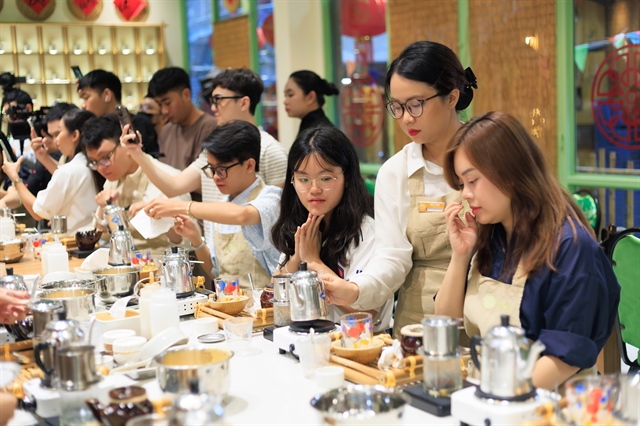
For the international nutritionist, the cultural chemist, and the seeker of the nation’s deepest wisdom, Vietnamese Healing Cuisine is not a culinary subgenre; it is the unquestionable, generations-old foundation of national wellness, a seamless, continuous integration of gastronomic art and medical science. This practice, rooted entirely in the principles of Traditional Vietnamese Medicine (TVM), asserts a profound, moral truth: the ingredients used in the daily kitchen are the ultimate, accessible tools of healing, and the disciplined, intelligent preparation of food is the most gentle, effective form of therapeutic intervention. The preparation of a therapeutic dish is therefore a sacred, high-stakes ritual, requiring not just culinary skill, but a deep, intuitive literacy in the energy (Yin-Yang) and elemental (Ngũ Hành) properties of every herb, spice, and vegetable.
As specialists in Vietnamese heritage and profound cultural analysis at Vietnam Charm, we embark on an essential, detailed exploration to decode this intimate, profound philosophy. We will meticulously analyze the cosmological mandate that dictates the therapeutic classification of ingredients, the structural genius of the cháo (porridge) and canh (broth) as the primary delivery systems for concentrated healing, the sociological role of the home cook (người nội trợ) as the family’s essential physician, and the profound way this practice articulates the core national values of holistic balance, disciplined prevention, and the compassionate duty of familial care. Understanding Healing Cuisine is essential to grasping the emotional heart and the proactive, resilient spirit of Vietnamese longevity.
1. The Cosmological Mandate: Ingredients as the Yin-Yang Code
The efficacy and the complex methodology of Vietnamese Healing Cuisine are governed by an absolute cosmological mandate: every single ingredient used in the kitchen is inherently classified according to its Yin-Yang energy signature (hot, cold, or neutral) and its Ngũ Hành (Five Elements) affiliation (which organ it affects). This classification transforms the simple market list into a complex therapeutic code.
The Thermal Classification (Yin-Yang): The core principle of therapeutic cooking is balancing the body's energy deficit with the correct energy from food.
Dương (Yang - Hot): Ingredients possessing warming, stimulating, or active energy, used to treat Yin deficiency or internal coldness. Examples include Ginger, Chili, Lemongrass, and Beef.
Âm (Yin - Cold): Ingredients possessing cooling, calming, or essence-building energy, used to treat Yang excess or internal heat. Examples include Duck, Cucumber, Water Spinach, and Coconut.
Neutral (Bình): Ingredients that harmonize the dish and provide general nourishment without drastically altering the thermal balance. Examples include Rice and most common root vegetables.
The therapeutic dish is rarely composed of single-energy ingredients. Instead, it is a synthesis of energy, intentionally combining warming spices with cooling vegetables, or Yang protein with Yin broth, to create a final dish that is balanced yet subtly tips the scale toward the patient’s required correction. The cook acts as the biochemical orchestrator, ensuring the perfect energy dynamic mirrors the cosmic ideal.
2. The Structural Genius: Broths, Porridge, and the Art of Concentrated Essence
The structural genius of Vietnamese Healing Cuisine lies in its reliance on liquid, digestible delivery systems—primarily Cháo (Porridge) and Canh (Therapeutic Broth)—which are ideally suited for the gentle, sustained absorption of concentrated healing essences, particularly for the sick or the weak.
Cháo (Porridge): The Anchor of Gentle Healing. Porridge, the simple, soft rice gruel, is the non-negotiable anchor of the therapeutic diet. Its highly digestible structure requires minimal energy expenditure from the patient's body (a crucial consideration in TVM, where energy must be conserved for healing). The plain rice provides a neutral base, into which highly potent, targeted ingredients—often minced ginger, small pieces of protein, and strong medicinal herbs—are incorporated. The heat and fluid nature of the porridge ensure the rapid, gentle transfer of energy and nutrients to the weakened system. Cháo is the food of compassionate recovery.
Canh (Therapeutic Broth): The Quintessence of Energy. The therapeutic Canh (Broth) is the culmination of the cook's art. It is the liquid essence, often made by sắc thuốc (decocting) specific medicinal herbs, long-simmered bone or lean meat, and specific root vegetables over several hours. The goal is to extract the maximum concentration of Khí (life energy) and chemical compounds from the ingredients and suspend them in a warm, digestible fluid. The broth is a highly targeted treatment, used to quickly replenish Yin (with a rich, slow-cooked bone broth) or dispel Wind-Cold (with a fiery herbal decoction). The broth is the spiritual and chemical quintessence of the healing art.
3. The Sociological Role: The Home Cook as the Family's Physician
The success and continuity of Healing Cuisine are entirely dependent on its unique sociological role: the elevation of the home cook (người nội trợ), usually the mother or grandmother, as the family’s essential, primary physician and diagnostic expert.
This practice decentralizes healthcare, embedding the responsibility for daily, preventive wellness firmly within the intimate structure of the family unit. The family cook possesses an intuitive, inherited literacy in the unique energetic profile and minor ailments of every family member. They know, for example, that the young child is prone to Phong (Wind-Cold) and requires daily ginger, or that the elderly father is suffering from Nhiệt (Heat) and requires cooling herbs. Diagnosis and treatment are seamlessly integrated into the daily meal planning.
This role is a sacred, compassionate duty. The act of preparing a therapeutic dish is an act of deep, personalized care (lòng từ bi)—a tangible expression of familial devotion (Hiếu). The intense focus, the meticulous selection of ingredients, and the slow simmering process transform the meal preparation from a chore into a meditative, moral act of ensuring the health and prosperity of the bloodline. The kitchen is thus the ultimate, essential cultural site where culinary expertise merges irrevocably with ethical responsibility.
4. The Pharmacological Arsenal: Spices, Herbs, and Functional Integrity
The power of Healing Cuisine is rooted in its disciplined reliance on an immense, accessible pharmacological arsenal—the vast range of spices, herbs, and roots that are classified not for flavor alone, but for their specific, non-negotiable functional integrity.
Humble kitchen spices are elevated to medicinal powerhouses:
Gừng (Ginger): Primary Yang (Hot) agent, used to dispel Hàn (Cold), treat nausea, and encourage circulation.
Nghệ (Turmeric): Neutral/Warm agent, used for its anti-inflammatory properties, to stimulate blood flow, and to cleanse the liver.
Hồi (Star Anise): Strong Yang (Hot) agent, used to warm the internal organs, especially during cold seasons, and to treat deep coldness.
Rau Má (Pennywort): Strong Yin (Cold) agent, used in broths and drinks to cool Nhiệt (Internal Heat) and detoxify the system.
The culinary art lies in the synergy—the precise combination of these energy profiles to achieve a holistic, balanced effect without creating a new imbalance. A dish is deemed successful only when it satisfies both the vị giác (taste) and the chức năng (functionality). The cuisine asserts that food must be both delicious (to encourage consumption) and therapeutically accurate (to effect healing).
5. Conclusion: The Permanent Testament to Holistic Sustenance
Vietnamese Healing Cuisine is the ultimate, enduring, and essential testament to the nation's profound commitment to holistic balance, compassionate care, and the self-reliant philosophy of food as medicine. It is a philosophical practice that transforms the ordinary kitchen into a powerful therapeutic center. By analyzing the cosmological mandate that classifies ingredients by Yin-Yang energy, the structural genius of the broth and porridge delivery systems, the sociological role of the home cook as the family’s physician, and the immense functional integrity of the spice arsenal, the observer gains access to a core, luminous truth: Healing Cuisine is far more than a diet. It is the permanent, unwavering declaration of holistic sustenance—a powerful, compassionate assertion that asserts the cultural value of disciplined prevention, ecological intimacy, and the belief that the purest, most resilient form of health is continuously secured through the thoughtful, disciplined, and deeply loving preparation of the daily meal.
We are on social media
Vietnam Charm belongs to Vietpearl Travel., JSC
Contact:
Email: info@vietnamcharm.top
© 2026. by Vietnam Charm. All rights reserved
Travel license number: 01-827/2020
Refund Policy