Giảm giá hấp dẫn cho tour du lịch!



FROM COLONIAL BARRACKS TO CULTURAL HUBS: THE REIMAGINATION OF FRENCH MILITARY ARCHITECTURE IN MODERN VIỆT NAM
More than history: exploring the complex legacy of French colonial military and administrative architecture, analyzing how these imposing structures were stripped of their political function and repurposed as potent symbols of Vietnamese cultural sovereignty and national resilience.
LOCAL EXPERIENCESVIETNAMESE CULTUREURBAN & DAILY LIFE
Tobin Nguyen
11/6/20255 phút đọc
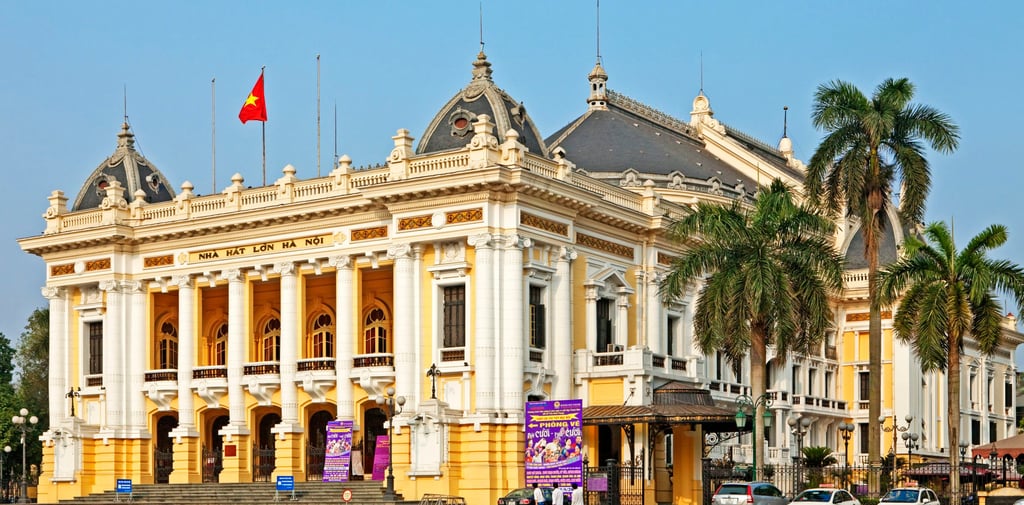
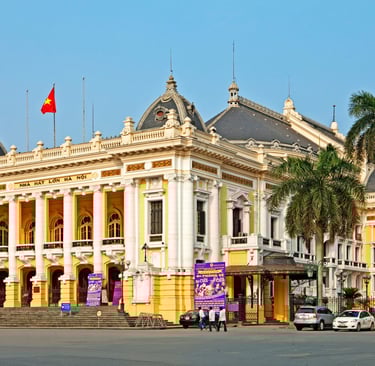
For the cultural observer, the architecture of Việt Nam’s major cities presents a continuous, powerful dialogue between indigenous forms and the lingering, structural presence of its colonial past. Amongst the most imposing and architecturally significant remnants of this era are the vast, disciplined complexes built by the French administration for military and high-level administrative functions—structures like barracks, large administrative offices, and high-security prisons. These buildings were meticulously designed to project authority, permanence, and geopolitical dominance. Yet, in the post-colonial era, these formidable structures have undergone a profound cultural and political metamorphosis, shedding their original oppressive intent and being reborn as vital, sacred centers of Vietnamese memory, culture, and national sovereignty.
As specialists in Vietnamese heritage and profound cultural analysis at Vietnam Charm, we embark on an essential, detailed exploration to decode this architectural paradox. We will meticulously analyze the colonial philosophy of permanence that governed the design of these structures, the political symbolism embedded in their scale and geometry, the sociological drama of their functional re-imagination (from prisons to museums), and the profound way this repurposed architecture articulates the nation's ability to absorb, transform, and ultimately claim the material remnants of its past. Understanding this architectural reclamation is essential to grasping the core values of resilience, memory, and the powerful, continuous assertion of national identity.
1. The Colonial Philosophy: Scale, Discipline, and the Projection of Authority
The military and high-level administrative architecture erected by the French during the late 19th and early 20th centuries was not merely functional; it was a deliberate philosophical statement on permanence and control. The scale, material choice, and geometry were meticulously designed to instill awe, submission, and the perception of unshakeable imperial longevity.
These structures, often barracks, artillery depots, or large administrative compounds, were characterized by imposing scale and geometric discipline. They utilized robust, enduring materials such as thick stone, imported steel, and massive quantities of high-quality brick, ensuring their physical longevity and resistance to the tropical climate. The aesthetic was typically Neo-Classical or simple, disciplined utilitarianism—high ceilings, thick walls, long symmetrical corridors, and deliberately repetitive windows—all designed to reflect the rigid, centralized hierarchy of the colonial military and administrative machine. The physical structures served as the tangible, unmoving proof of French authority, dominating the urban skyline and contrasting sharply with the smaller, more organic scale of traditional Vietnamese architecture (such as the Nhà Ống).
The strategic placement of these complexes within the newly developed French quarters of cities like Hà Nội and Sài Gòn further emphasized their political function. They occupied prime, elevated, and centrally commanding positions, often near major river ports or transportation hubs, signaling that security, administration, and military control were the ultimate priorities governing the colonial urban planning structure. The colonial power sought to use architecture to assert a sense of foreign, eternal presence.
2. The Functional Metamorphosis: From Oppression to Cultural Sovereignty
The most profound, defining chapter in the life of these colonial structures is their complete functional metamorphosis following the nation’s independence and reunification. The post-colonial state engaged in a conscious, powerful act of architectural decolonization, stripping the buildings of their original oppressive intent and repurposing them as vessels for national memory and cultural pride.
Structures that once symbolized foreign power were strategically re-designated to serve the collective Vietnamese identity. The most dramatic example is the former Maison Centrale (Central Prison) in Hà Nội, now famously known as the Hỏa Lò Prison Relic—ironically nicknamed the "Hanoi Hilton" by American POWs. This site, originally designed to suppress local dissent and incarcerate Vietnamese patriots, was transformed into a Museum of Revolutionary Memory. The thick walls and rigid cells, once tools of oppression, now serve as powerful, immutable witnesses to the resilience and suffering of the Vietnamese independence movement. The architecture itself—now a site of pilgrimage and education—tells a new, Vietnamese-centric story of endurance.
Similarly, former colonial military barracks, administrative headquarters, and customs houses have been systematically converted into major National Museums, Cultural Centers, Theatres, and Universities. This transformation is profoundly symbolic: the material resources and scale of the colonial past are not demolished; they are absorbed, transformed, and redirected to serve the intellectual, artistic, and educational advancement of the newly sovereign nation. The strength and permanence of the colonial walls now house Vietnamese scholarship, art, and national history.
3. The Sociological Drama: Architectural Layering and Public Interaction
The conversion of these massive, rigid military and administrative complexes into public cultural spaces generated a unique sociological drama and intense public interaction, blending solemnity with modern life.
In their original form, these complexes were designed to be impenetrable and exclusive—physically separated from the local population by high walls, armed guards, and vast courtyards. The repurposing mandates their complete permeability and integration into the urban fabric. Former parade grounds now serve as public parks or communal gathering spaces. The grand administrative buildings, with their high ceilings and wide corridors, are ideal for housing large museum exhibits, allowing vast numbers of citizens and tourists to interact directly with the nation’s history in a space previously denied to them.
This process highlights the Vietnamese genius for architectural adaptation. While the exterior forms remain largely intact (preserving the historical layer), the interior spaces are subtly altered to suit local needs. For instance, the high, cool ceilings of colonial offices are perfectly suited for the tropical climate and are easily adapted for large lecture halls or museum galleries. This practical re-imagination demonstrates a cultural confidence—the ability to take the material remnant of the oppressor and make it functionally and emotionally Vietnamese. The architecture is stripped of its meaning, imbued with a new purpose, and ultimately claimed as property of the collective memory.
4. The Aesthetic of Reclamation: Absorbing the Past
The aesthetic of reclamation found in these structures is one of powerful, dignified absorption and synthesis. The Vietnamese approach is often not to destroy the material evidence of the past, but to internalize it and overwrite its meaning.
In sites like the National Museum of Vietnamese History (originally the Musée Louis Finot) or the Hanoi Opera House, the French architectural style (the elegance of the facade, the symmetry, the classical detailing) remains visibly present. However, the narrative content within is entirely Vietnamese. The history exhibited, the performances staged, and the scholars trained within these walls are all focused on the assertion of Vietnamese sovereignty and cultural achievement. The building itself is forced to tell the story of the nation that triumphed over the power that built it.
This process of aesthetic reclamation affirms the profound cultural resilience of the nation. It demonstrates that the Vietnamese spirit is strong enough to acknowledge the material fact of the colonial past without being spiritually defined by it. The permanent, imposing walls that once projected foreign law now quietly testify to the enduring, unwavering strength of Vietnamese independence. The scale of the colonial structure, once intimidating, is now transformed into a symbol of the immense scale of the national narrative itself.
5. Conclusion: The Permanent Testimony of Resilience
The repurposing of French colonial military and administrative architecture stands as one of the most compelling sociological dramas in modern Vietnamese history. These grand, imposing structures, originally built as permanent symbols of imperial authority, have been successfully and profoundly transformed into permanent testimonies of national resilience. By analyzing the philosophy of permanence embedded in their design, the political symbolism of their re-designation, the sociological drama of their public integration, and the powerful aesthetic of reclamation, the observer gains access to the core truth: the Vietnamese spirit possesses an unparalleled ability to absorb, transform, and ultimately claim the material remnants of every historical challenge. The architecture of the past now stands, not as a monument to its builders, but as a continuous, silent, and unwavering monument to the enduring sovereignty of the nation.
We are on social media
Vietnam Charm belongs to Vietpearl Travel., JSC
Contact:
Email: info@vietnamcharm.top
© 2026. by Vietnam Charm. All rights reserved
Travel license number: 01-827/2020
Refund Policy