Giảm giá hấp dẫn cho tour du lịch!



From Phin to Pavement: The Vietnamese Coffee Ritual — A Deep Dive into Culture, Energy, and the Philosophy of Slow Drip
More than a beverage, it is a national pause: exploring how the intense Robusta bean, the patient phin filter, and the vibrant street corner define Việt Nam’s profound coffee culture.
LOCAL EXPERIENCESFOODS
Tobin Nguyen
11/5/20256 phút đọc
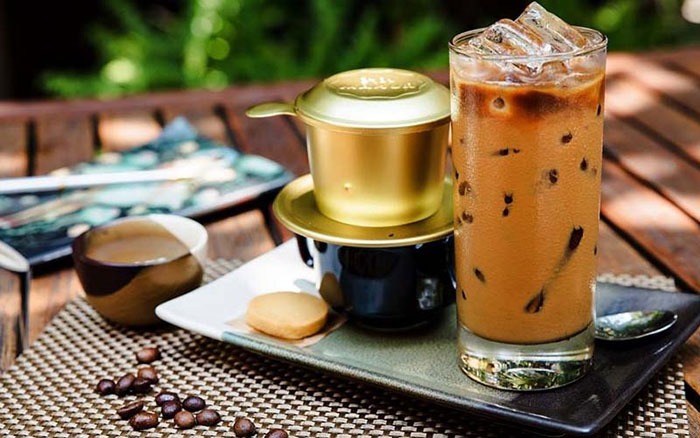
For the global traveler, the coffee experience in Việt Nam is unlike any other on earth. It is not characterized by hurried takeout cups or sleek, silent, uniform cafes; instead, it is an immersive, often slow, intensely flavorful ritual that spills effortlessly onto the sidewalks and into the public consciousness. Việt Nam stands as one of the world's largest coffee producers, yet its unique and powerful cultural identity is defined less by its immense export volume and more by the philosophy of its consumption. The entire experience is a compelling triad: the robust, powerful Robusta bean, the precise, patient phin filter, and the essential, chaotic social setting of the pavement (vỉa hè).
As specialists in Vietnamese cultural deep dives and nuanced history at Vietnam Charm, we invite you on an essential, detailed journey to decode this profound cultural cornerstone. We will analyze the historical influences, the unique preparation techniques (down to the grind and the drip rate), and the pervasive, irreplaceable social role that coffee plays, revealing how this dark, rich brew is both the liquid energy and the vital moment of quiet pause at the very heart of the nation’s dynamic, relentless daily life.
I. The Agricultural Foundation and Historical Legacy: The Robusta Supremacy
To truly understand the flavor profile and cultural dominance of Vietnamese coffee, one must first analyze its agricultural roots and its colonial inheritance. The choice of bean is critical to the resulting taste.
The Robust Robusta: A Matter of Necessity and Intensity
Unlike the overwhelming global preference for the aromatic, delicate Arabica bean (which accounts for the vast majority of specialty coffee worldwide), Việt Nam's coffee production is fundamentally dominated by the Robusta variety. Robusta is prevalent primarily due to its resilience; it is hardier, easier to cultivate in the hotter, lower-altitude climates of the Central Highlands (like Đắk Lắk and Lâm Đồng), and far more resistant to disease.
However, Robusta is known for two critical characteristics that fundamentally shape the Vietnamese beverage:
High Caffeine Content: Robusta contains nearly twice the caffeine of Arabica, delivering the intense, sharp, almost uncompromising jolt necessary to combat the pervasive tropical heat and fuel the cities' fast-paced economic activity. It is pure, concentrated energy.
Flavor Profile: Robusta possesses a strong, earthy, often nutty, and sometimes slightly bitter or even rubbery flavor profile. This inherent intensity and bitterness necessitated an innovative, uniquely Vietnamese solution for preparation—pairing the dark, powerful brew with rich, powerful, sweet elements to achieve balance.
The French Colonial Inheritance and the Birth of Condensed Milk Coffee
Coffee was first introduced to Việt Nam by French missionaries and colonists in the mid-19th century. While the French brought the original seeds and established the first plantations, the Vietnamese ingeniously innovated the method of preparation and consumption. The pivotal factor was logistics: the lack of a reliable supply chain for fresh dairy milk, especially in the tropical heat before refrigeration was common, necessitated an innovative, perfect solution: using thick, shelf-stable, preserved sweet condensed milk (sữa đặc) as the creamer, sweetener, and preservative. This strategic marriage of the powerful, dark Robusta brew and the sweet, rich condensed milk gave birth to the nation’s signature flavors, creating a drink that is simultaneously a beverage and a dessert.
II. The Phin Filter: The Philosophy of Slow Drip and Contemplation
The absolute heart of the authentic Vietnamese coffee experience is the phin filter—a small, ingenious, gravity-fed metal brewing device that sits patiently and deliberately on top of the cup. The phin (derived from the French filtre) is not just an apparatus; it is the philosophical key mechanism that transforms the raw, high-intensity Robusta bean into a refined, sippable, and deeply contemplative drink.
Patience as the Primary Ingredient
The phin brewing process is a deliberate, enforced act of deceleration. The coarse coffee grounds are placed into the chamber, carefully pressed down (tamping is a crucial step), and scalding hot water is poured over them. The resulting brew drips slowly, methodically, and precisely into the cup below. This entire process, depending on the grind and the tamp, typically takes a mandatory five to seven minutes.
The Ritual of Waiting: The forced delay is the ritual itself. The drinker is compelled to pause, to wait, and to actively observe the slow, rhythmic, methodical dripping of the dark, concentrated brew. This process stands in direct philosophical opposition to the speed and rushed efficiency prized by modern Western coffee culture.
The Intensity of Extraction: The slow drip rate ensures maximum contact time, allowing the water to extract the highest concentration of flavor and caffeine from the Robuba grounds, resulting in a brew that is incredibly thick, almost syrupy, dark, and intensely flavored—the necessary liquid counterweight to the extreme sweetness of the condensed milk.
The five minutes spent watching the phin is not wasted time; it is the allotted time for the drinker to transition from the external chaos of the street to an internal moment of essential quiet contemplation.
III. The Three Iconic Expressions of Vietnamese Coffee
The national coffee culture manifests in three distinct, equally iconic forms, each perfectly suited to a different time of day, climate, and cultural setting:
1. Cà Phê Sữa Đá (Iced Milk Coffee): The Energy of the South
This is the quintessential Sài Gòn drink and the undisputed liquid energy of the South. The preparation involves the dark, potent phin brew dripping directly over a thick, creamy layer of sweet condensed milk. Once vigorously mixed and poured over an abundant amount of ice, the resulting drink is an intoxicating blend of intense bitterness (from the Robusta) and profound, satisfying sweetness (from the milk), delivered at a temperature that provides immediate, essential relief from the tropical heat. It is the perfect blend of intensity and refreshment, an immediate sensory jolt.
2. Cà Phê Đen Đá (Iced Black Coffee): The Purist's Uncompromising Choice
The purist's choice, Cà phê đen đá, is the phin coffee poured over ice, without the addition of milk. It is a powerful, uncompromising, and deeply sophisticated drink, characterized by its sharp bitterness and incredibly high octane level. It is the no-nonsense jolt of energy favored by busy workers, intellectuals, and serious coffee drinkers in need of immediate, sustained wakefulness. Its flavor profile is a direct confrontation with the Robusta bean's intensity.
3. Cà Phê Trứng (Egg Coffee): The Northern Masterpiece of Ingenuity
A unique, surprising masterpiece primarily associated with Hà Nội, Cà phê trứng (Egg Coffee) is a creative and brilliant historical response to wartime milk shortages. It features a dense, creamy, slightly sweet meringue-like foam made meticulously from whisked raw egg yolks and sugar, gently layered on top of a base of hot, concentrated black coffee. The result is a luxurious, savory-sweet dessert drink, often described by travelers as a liquid tiramisu or custard-cream. It exemplifies the height of Vietnamese ingenuity and culinary sophistication in the face of scarcity.
IV. The Social Geography: The Pavement as the Cafe and Cultural Hub
The physical location of consumption is every bit as critical and culturally significant as the drink itself. The pavement (vỉa hè) is the defining, irreplaceable social setting for Vietnamese coffee culture.
Vỉa Hè Culture: Democracy, Observation, and Community
The Democratic Space: The street-side café, often consisting of tiny, brightly colored plastic stools and low tables placed directly on the sidewalk, is the most democratic and accessible social space in the country. Businessmen in suits, students with backpacks, laborers taking a break, and curious tourists sit side-by-side, sharing the same experience, the same street noise, and the same robust flavor.
The Theatre of the Street: The pavement setting transforms the drinker into an active, yet passive observer of the street's continuous, vibrant theatre. You are sitting in the chaos—the endless stream of motorbikes, the calls of the street vendors, the general urban cacophony—but the slow drip of the phin or the slow sipping of the cold brew provides a crucial mental barrier, allowing a necessary moment of psychological separation and detached observation. The coffee forces you to physically slow down while the world rushes ceaselessly past.
The Communal Pause: Whether used for conducting an informal business meeting, catching up with friends, reading the newspaper, or simply watching the day begin, the vỉa hè provides the essential communal pause—a shared, unhurried moment of reflection and social connection essential in an otherwise high-paced, high-stress urban environment.
V. Conclusion: The Liquid Heritage and the Art of the Pause
Vietnamese coffee culture, defined by the uncompromising intensity of the Robusta bean, the patient, methodological ritual of the phin brewing process, and the democratic chaos of the pavement setting, is a profound and lasting expression of the national character. It showcases the resilience (adapting the bean to the climate), the ingenuity (inventing egg coffee out of necessity), and the essential human need for community and contemplation in a rapidly changing world. It is the liquid heritage of Việt Nam, proving that even the most caffeinated of rituals can teach the art of the pause.
We are on social media
Vietnam Charm belongs to Vietpearl Travel., JSC
Contact:
Email: info@vietnamcharm.top
© 2026. by Vietnam Charm. All rights reserved
Travel license number: 01-827/2020
Refund Policy