Giảm giá hấp dẫn cho tour du lịch!



Ocean’s Bounty: A Guide to Việt Nam’s Coastal Cuisine — How to Find the Freshest Catch and the Most Authentic Grill
From the coral reefs of Nha Trang to the pearl waters of Phú Quốc, this is a masterclass in Vietnamese seafood, where preparation is minimal and the philosophy of 'freshness-first' reigns supreme.
LOCAL EXPERIENCESFOODS
Tobin Nguyen
11/2/20255 phút đọc
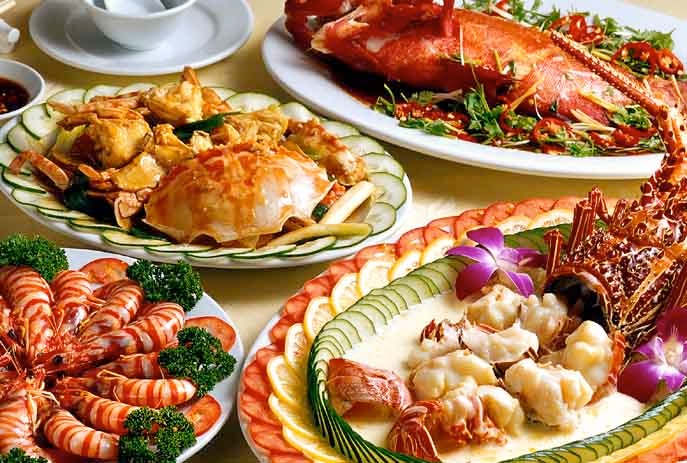
For travelers whose palates crave the sea, Việt Nam presents itself as a continuous, 3,200-kilometer-long coastline of promise. Seafood is not just an item on the menu here; it is an economic cornerstone, a daily ritual, and a vibrant cultural expression. The very best Vietnamese cuisine is often found nearest to the water, where the philosophy of "tươi ngon là trên hết" (freshness-first) is the unquestioned, universal rule. The methods of preparation are elegantly simple, designed not to mask but to amplify the natural, clean flavor of the catch.
As specialists in Vietnamese regional gastronomy and coastal logistics at Vietnam Charm, we offer an essential guide to navigating this maritime treasure trove. We will explore the regional differences in technique—from the smoky charcoal grills of the Central Coast to the delicate steaming of the islands—revealing how to identify the freshest catch and appreciate the distinct culinary signature of each major port.
I. The Philosophy of Freshness: The Foundation of Vietnamese Seafood
The Vietnamese approach to seafood preparation is rooted in a deep respect for the ingredient. Unlike some global traditions that rely heavily on complex sauces, creamy bases, or prolonged cooking times, Việt Nam's method emphasizes speed, simplicity, and immediate consumption.
The Criteria for 'Tươi' (Fresh)
In a coastal seafood market or restaurant, the term tươi (fresh) means one thing: it was swimming minutes ago. The best seafood stalls will display their catch alive in tanks of circulating seawater. The ritual of selecting your dinner is participatory: the diner points to the fish, crab, or shrimp they desire, which is then netted, weighed, and taken directly to the kitchen for immediate preparation. This transparency is the primary guarantee of quality.
Techniques of Enhancement, Not Masking
The preferred cooking techniques are elegantly simple, designed to enhance the seafood's natural sweetness and texture:
Hấp (Steaming): Often done with beer, ginger, or lemongrass, this technique preserves the delicate moisture and flavor of shellfish (like crab, clams, or shrimp).
Nướng (Grilling): Typically done over hot charcoal (than hoa), adding a subtle, smoky char to larger fish, scallops, or squid, often seasoned only with salt, chili, and oil.
Xào (Sautéing): Quick frying with minimal additions, usually garlic, green onions, and maybe a touch of local chili paste.
II. Regional Specialties: From Central Coast Grills to Southern Steams
The diversity of the coastline dictates the distinct culinary methods and specialized catches of each region.
1. The Central Coast: Nha Trang and Đà Nẵng — The Reign of Charcoal
The Central Coast, characterized by its deep-water fishing and rugged coastline, favors direct heat and robust preparation. Nha Trang, a major coastal hub, is particularly famous for its dynamic seafood scene.
Charcoal Grills (Nướng Than Hoa): Here, the grill is king. Large fish (like grouper or snapper) are often grilled whole, marinated lightly with chili salt (muối ớt) or sometimes wrapped in banana leaves to keep the flesh moist while absorbing the smokiness of the charcoal.
Grilled Lobsters and Scallops: Nha Trang is famous for its grilled rock lobster and various types of large scallops (sò điệp). The scallops are typically grilled directly on the half-shell, topped with a flavorful, rich mixture of melted butter, crushed peanuts, and scallion oil (mỡ hành). The simplicity of the grilling ensures the scallop's sweetness remains the focal point.
The Accompanying Dip: The standard dipping sauce in Central Việt Nam is often a Muối Ớt Xanh (Green Chili Salt)—a vibrant, tangy, and spicy mix of salt, lime juice, and green bird's eye chilies.
2. The South/Islands: Phú Quốc and Bến Tre — Steaming and Delicate Aromatics
The South, dominated by the warm, sheltered waters around the Mekong Delta and islands like Phú Quốc, favors more aromatic and gentle cooking methods, often utilizing local herbs and fruits.
Steaming with Coconut and Herbs (Hấp Lá Chanh): In the South, especially Phú Quốc, the emphasis shifts to steaming, often using powerful local aromatics like fresh lime leaves (lá chanh) or even the water from young coconuts. Large mud crabs (cua biển) or flower crabs (ghẹ) are frequently steamed with a simple mixture of ginger, lemongrass, and beer or coconut water. This method ensures the meat is incredibly tender, juicy, and infused with the herbal steam.
Urchin and Raw Fish (Nhím Biển): Phú Quốc also offers unique delicacies like sea urchin (nhím biển), often grilled with scallion oil or eaten raw with lime and wasabi—a testament to the extreme freshness of the island's catch.
Phú Quốc Fish Sauce: No discussion of Southern seafood is complete without mentioning Nước Mắm Phú Quốc. The island's world-famous, high-quality fish sauce is the primary seasoning for dipping sauces here, bringing a deep, pure umami flavor to every bite.
III. The Ultimate Culinary Experience: The Communal Table
Eating seafood in Việt Nam is inherently a communal event. It is a shared ritual that underscores the social fabric of dining.
The Ritual of Shared Feasting
The Order: Unlike formal Western dining, dishes are ordered en masse and served immediately upon being cooked, creating a continuous flow of food rather than distinct courses.
The Tools: Utensils are simple: chopsticks, a small bowl for dipping sauce, and often small cracking hammers for crab and lobster. Hands are often involved, reflecting the casual, participatory nature of the meal.
The Drinks: Seafood is almost always paired with cold local beer (like Saigon Beer or Huda Beer) or sometimes iced tea (trà đá). The cold, light beer acts as the perfect palate cleanser against the rich, salty flavors of the ocean.
IV. Expert Tips for the Discerning Seafood Lover
For the traveler looking to maximize their experience and ensure safety, following a few expert guidelines is crucial:
Visit the Markets Early: The freshest catch is sold early in the morning, immediately after the fishing boats return. Visiting a local market or restaurant between 5:00 PM and 7:00 PM ensures you are eating the afternoon or evening's selection, guaranteeing peak freshness.
Check the Tanks: Never order seafood that is not alive. Observe the tanks—the water should be clean and circulating, and the fish or crabs should be visibly active.
Simplicity is Key: When ordering, prioritize the simplest preparations (Steamed, Grilled with Salt and Chili, or Sautéed with Garlic). Complex sauces are often used to cover up less-than-fresh ingredients.
Master the Dip: The flavor of the dish often resides in the dipping sauce. Learn to blend your own combination of salt, pepper, lime juice, and local chili to personalize the experience.
V. Conclusion: A Coastline of Flavor
Việt Nam's coastal cuisine is a direct reflection of its geography and its people—simple, honest, vibrant, and always centered on community. From the bold, smoky grills of Nha Trang to the delicate, herb-steamed seafood of Phú Quốc, the ultimate lesson is that great cooking requires only two things: impeccable freshness and the wisdom to know when to stop adding ingredients. This coastline of flavor is an open invitation to experience the authentic heart of Việt Nam's maritime culture.
We are on social media
Vietnam Charm belongs to Vietpearl Travel., JSC
Contact:
Email: info@vietnamcharm.top
© 2026. by Vietnam Charm. All rights reserved
Travel license number: 01-827/2020
Refund Policy