Giảm giá hấp dẫn cho tour du lịch!

Phở: The North-South Divide — How Two Broths Tell the Story of a Nation’s Culinary Unity
More than a noodle soup, Phở is a national narrative: an immersion into the complex flavors and historical evolution that distinguishes Hà Nội’s austere broth from Sài Gòn’s vibrant symphony.
LOCAL EXPERIENCESFOODS
Tobin Nguyen
11/7/20255 phút đọc
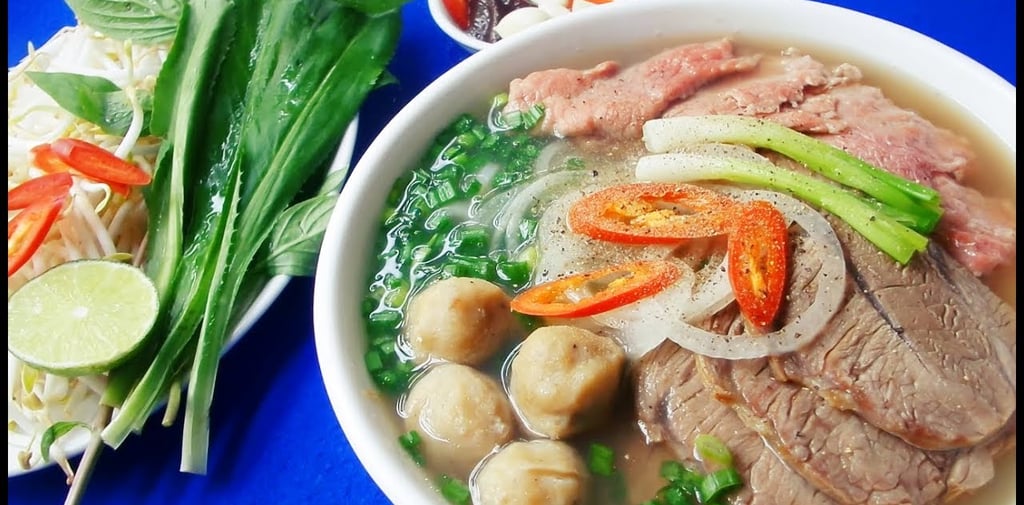
For many global food enthusiasts, Phở is not merely the national dish of Việt Nam; it is often the entire entry point into Southeast Asian cuisine—a steaming, aromatic bowl promising comfort, flavor, and complexity. It is the culinary banner under which the nation’s gastronomy is celebrated worldwide. However, to truly understand Phở is to understand Việt Nam itself: a country of profound regional differences, unified by a shared history and culture. The true magic of Phở lies in its duality—the stark, fascinating contrast between the version perfected in the northern capital and the exuberant, generous rendition cherished in the southern metropolis.
As specialists in Vietnamese cultural deep dives and gastronomic history at Vietnam Charm, we invite you on an essential journey to decode this duality. We will analyze how two seemingly similar broths—one clear and austere, the other rich and celebratory—tell the story of a nation’s history, its geography, and its ultimate culinary unity. This is a crucial lesson in regional identity, experienced through taste.
I. The Genesis: Phở’s Northern, Austere Roots (Phở Bắc)
Phở is universally accepted to have originated in the North, specifically in and around Hà Nội, in the early 20th century. Its creation is a classic story of culinary synthesis, combining Vietnamese rice noodles (bánh phở) with French influence (the widespread consumption of beef and the French tradition of pot-au-feu—bone broth).
The Philosophy of Phở Bắc: Purity and Precision
The Northern style of Phở—known as Phở Bắc—is defined by a philosophy of purity, precision, and austerity.
The Broth (Nước Dùng) as the Soul: In Hà Nội, the broth is everything. It is traditionally simmered for 8 to 10 hours using beef bones (often marrow bones and oxtails), gently kissed by key spices like star anise, cinnamon, black cardamom, and ginger. The ideal Phở Bắc broth is crystal-clear, lightly seasoned, and characterized by a delicate, almost understated aroma. The goal is to let the clean, pure flavor of the beef stock and spices speak for themselves, without distraction.
The Noodles and Meat: The noodles (bánh phở) in Phở Bắc are traditionally wider and softer. The meat is often served simply as thin slices of rare beef (tái) or well-done flank (chín). Crucially, the bowl often contains only a few strands of scallion and maybe a splash of lime.
Minimalist Condiments: The Phở Bắc experience is minimalist. The diner is expected to taste the broth as the chef intended it. Condiments are sparse—maybe a touch of chili sauce (often homemade) or fresh lime. The practice of heavily dosing the broth with multiple sauces (like hoisin or Sriracha) is historically frowned upon, considered an alteration of the chef's precise work.
Phở Bắc is a study in subtraction. It values the core essence of the ingredients, mirroring the austere elegance and historical reverence often associated with the Northern capital.
II. The Migration and Metamorphosis: Phở’s Southern Evolution (Phở Nam)
The transition of Phở from North to South is a story inextricably linked to the historical migration of 1954, following the partition of Việt Nam. Northern migrants carried the recipe south, but the dish soon encountered the entirely different climate, produce, and culinary sensibilities of the South.
The Philosophy of Phở Nam: Abundance and Exuberance
The Southern style—Phở Nam (most notably found in Sài Gòn/Ho Chi Minh City)—is defined by a philosophy of abundance, generosity, and customization. It evolved to suit the tropical palate.
The Broth (A Richer Foundation): While the spices remain, the Phở Nam broth is often prepared with a slightly sweeter profile, achieved by using a bit more rock sugar and sometimes added seafood or chicken bones. Crucially, the broth often appears cloudier and richer due to the increased fat content and heavier seasoning.
The Condiment Parade: The defining characteristic of Phở Nam is the condiment platter served alongside the bowl. This tray is an overflowing bounty of fresh herbs (basil, cilantro, mint, saw-tooth herb), fresh chili slices, and a large mound of fresh bean sprouts. This reflects the South’s year-round availability of produce and its exuberant culinary style.
The Diner's Agency: Unlike the North, the diner in the South is expected to take agency, using hoisin sauce, chili sauce, lime, and fish sauce to customize the bowl to their exact liking. The broth is merely the starting point for a personalized creation.
Beyond Beef: Phở Nam embraced variety, expanding beyond beef to include chicken Phở (Phở Gà) and various cuts of meat (tripe, tendon, meatballs) reflecting a more open-minded culinary environment.
Phở Nam is a study in addition. It embraces the tropical abundance and the freedom to mix and match flavors, mirroring the dynamic, free-spirited, and commercially-driven culture of the South.
III. Decoding the Duality: History, Geography, and Taste
The divergence of Phở Bắc and Phở Nam provides a perfect lesson in how two factors—history and geography—shape a single dish:
FeaturePhở Bắc (Hà Nội)Phở Nam (Sài Gòn/South)Cultural ContextBroth ClarityCrystal-clear, lightly seasoned.Richer, cloudier, sweeter base.North's reverence for purity and precision.CondimentsMinimal (lime, chili).Abundant herb platter, bean sprouts, Hoisin/Sriracha.South's tropical abundance and consumer freedom.The NoodleWider, softer, often flatter.Thinner, more elastic, sometimes pre-cooked.Adaptation to local milling traditions and storage.The ExperienceFocus on the chef’s skill (broth).Focus on the diner’s customization (condiments).Reflects the different cultural pacing of the regions.
IV. The Anatomy of Phở: A Masterclass in Simmering
To appreciate the complexity of Phở, one must understand the essential steps of its preparation—a ritual that unites both the Northern and Southern styles:
The Bone Broth Foundation: The process begins with blanching high-quality beef bones (marrow and knuckles). After blanching, the bones are transferred to clean water and simmered gently for 8–12 hours. The slow simmer extracts collagen and flavor without clouding the broth.
The Aromatics: A crucial step involves dry-roasting ginger and white onions until slightly charred. These are then added to the broth along with the toasted whole spices: star anise, cinnamon stick, black cardamom, and often cloves. The roasting process draws out the deep, earthy aromatics.
Seasoning: The broth is seasoned primarily with salt and fish sauce. The balance is critical—it should taste robust but not aggressively salty. Sugar (rock sugar in the South) is added near the end for balance.
Assembly: The final assembly involves layering the bowl: fresh noodles, paper-thin slices of raw beef, and the scalding hot broth poured over the top, instantly cooking the beef to a perfect medium-rare.
The mastery of Phở lies in the precise, subtle handling of the simmering process—a testament to the patience required for genuine Vietnamese cuisine.
V. Conclusion: Phở as the Culinary Unifier
Phở, in its glorious duality, offers the traveler the most profound insight into Việt Nam's history. The austere elegance of Phở Bắc speaks of tradition and restraint; the generous exuberance of Phở Nam speaks of adaptability and tropical vitality. Yet, both versions share the same fundamental DNA: the fragrant spice blend, the rice noodle base, and the commitment to a slow, perfectly balanced broth.
Phở proves that regional difference is not division, but a source of richness. It remains the one, essential, unifying dish—a steaming, aromatic bowl that welcomes every visitor and reminds every citizen of their shared culinary heritage.
We are on social media
Vietnam Charm belongs to Vietpearl Travel., JSC
Contact:
Email: info@vietnamcharm.top
© 2026. by Vietnam Charm. All rights reserved
Travel license number: 01-827/2020
Refund Policy