Giảm giá hấp dẫn cho tour du lịch!


SALT, COFFEE & DUST – THE COASTAL PARADOX
"In Nha Trang, caffeine is not a fuel; it is a meditation. Discover the coastal paradox where a pinch of sea salt meets the dark soul of Robusta, and learn the productivity of 'doing nothing'."
NHA TRANGSHORE EXCURSIONLOCAL EXPERIENCES
Tobin Nguyen
1/17/20265 phút đọc
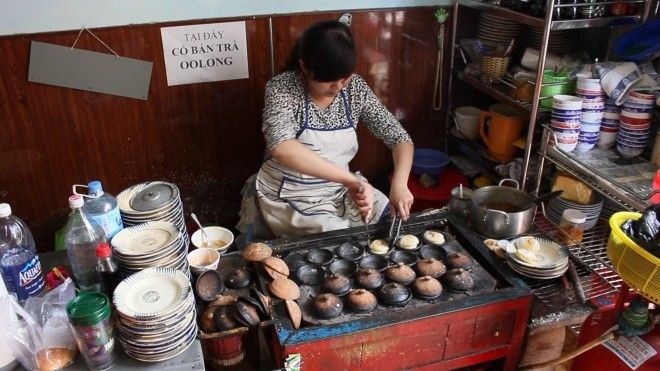
If the previous chapters were about the physical acts of eating and exploring, this chapter is about the metaphysical state of being in Nha Trang. To the "Guru," the most important place in the city isn't a monument, a beach, or a museum—it is a low plastic stool in a sun-drenched alleyway, shaded by a fraying umbrella. Here, the city’s philosophy is distilled into two primary, inseparable elements: Cà Phê Muối (Salt Coffee) and the art of "Ngồi Không" (Sitting for Nothing).
In the West, coffee is often a utilitarian drug, a high-octane fuel consumed in a cardboard cup while rushing to a meeting or staring at a glowing screen. In Nha Trang, coffee is a slow-motion ritual that requires the "Slow Pulse." It is the liquid version of the city itself: a blend of mountain-grown energy and sea-salt soul. It is a ceremony that demands your presence and, in return, offers a clarity that no espresso-to-go can ever provide.
1. Cà Phê Muối: The Alchemy of the Shore
At first, the idea of adding salt to coffee sounds like a mistake to the Western palate—perhaps a relic of the days when sea salt was the only preservative available, or a tall tale told to tourists. But in Nha Trang, Cà Phê Muối is a masterpiece of chemical balance, a coastal paradox that makes perfect sense once you understand the ingredients.
The Science of the Pinch: Vietnamese coffee is famously robust, brewed almost exclusively from dark, oily Robusta beans. These beans carry a heavy, earthy bitterness and a high caffeine content that can be jarring to those used to the lighter Arabica blends of Europe or America.
The Role of Sodium: Biology tells us that sodium is a natural suppressor of bitterness. By adding a pinch of refined sea salt—harvested from the nearby fields of Hòn Khói—into the condensed milk or onto the rim of the glass, a chemical reaction occurs. The salt neutralizes the harsh bitter notes of the Robusta, acting as a "flavor bridge" that allows the deeper, hidden notes of the bean—caramel, cacao, and toasted nuts—to rise to the surface.
The Creamy Contrast: Typically served with a layer of salted cream or frothed milk on top, the drink becomes a play of temperatures and textures. The hot, dark coffee seeps through the cold, salty cream, creating a savory-sweet profile that is profoundly addictive. It is a sensory metaphor for the city: the "Grit" of the dark coffee represents the mountains, while the "Salt" represents the sapphire bay that feeds the city’s soul.
2. The Philosophy of "Ngồi Không" (Sitting for Nothing)
The ultimate skill of a Nha Trang "Guru" is the ability to spend an entire morning at a sidewalk cafe with a single Phin (the traditional gravity drip filter), watching the world go by without a trace of guilt. This is what locals call "Ngồi không"—literally, "sitting for nothing."
In the hyper-productive culture of the West, "doing nothing" is often seen as a failure, a waste of precious time. In the hẻms of Nha Trang, "sitting for nothing" is when you are most alive. It is a form of active meditation that provides a different kind of productivity: Observational Wealth.
The Phin Ritual as Meditation: You do not simply "order" a coffee in a traditional Nha Trang stall; you witness it grow. The Phin sits atop your glass like a tiny silver hat. You wait for each drop of dark nectar to fall. This 5-to-10-minute drip is a built-in "Patience Filter." It forces you to slow your heart rate to the rhythm of the alley. You cannot rush the gravity; you can only wait. In that waiting, your eyes begin to wander. You notice the way the light hits the moss on an old French wall, the way the "Bánh mì" lady organizes her cart, and the way the elderly men lean into their chess games. By the time the coffee is ready, your mind has already achieved a state of "Flow."
3. Dust & Soul: Why the Sidewalk is the Best Office
There is a specific charm to the "Dust" of Nha Trang—a fine, salty mist that settles on the red-tiled roofs, the leaves of the flamboyant trees, and the plastic tables of the alleys.
To sit in a high-end, air-conditioned cafe is to be a spectator behind glass. You are sheltered, but you are also disconnected. To sit on the sidewalk, with the sound of the street in your ears and the dust of the city on your skin, is to be a participant in the "Hidden Arteries" of the city.
The Social Capital: This is where the real business of the city happens. It is where "Handshake Deals" are made between boat owners, where the quiet gossip of the neighborhood grandmothers is traded, and where the "Slow Pulse" is most palpable.
The Living Theater: From a sidewalk stool, you see the city in its rawest form. You see the persistence of the street vendors, the grace of the motorbike traffic, and the genuine warmth of the communal life. "Ngồi không" allows you to realize that being productive isn't about moving fast—it's about being present enough to see the world as it truly is.
4. The "Bạc Xỉu" Heritage: A Bridge of Cultures
If Salt Coffee is the coastal paradox, then Bạc Xỉu is the historical bridge. Originating from the Chinese (Hoa) community in the old quarters, Bạc Xỉu was created as a way to make the intensely strong Vietnamese coffee palatable for children and those not used to the "kick" of Robusta.
It is essentially "milk with a dash of coffee" rather than the other way around. Served over crushed ice, it is the perfect "entry-level" drink for the morning ritual. It represents the cosmopolitan history of Nha Trang—a city that took Chinese milk-drinking habits, French coffee beans, and Vietnamese ingenuity to create something entirely new. For the traveler, a Bạc Xỉu at 10:00 AM is the ultimate cooling ritual as the tropical heat begins to climb.
5. Tactical Caffeinating: The Guru’s Guide to the Alleys
To find the "Gold" of Nha Trang’s coffee culture, you must look for the absence of branding. The best experiences are found where the chairs are the lowest and the menus don't exist.
Seek the "Phin" Stacks: Look for stalls where the metal filters are stacked high on the counter. This is a sign that the coffee is brewed fresh for every customer, not pre-made in a plastic bottle.
The "Trà Đá" Companion: A true coffee experience always comes with a tall glass of Trà đá (iced jasmine tea). This is the "palate cleanser" that balances the richness of the condensed milk. It is free, it is endless, and it is the mark of a legitimate local establishment.
The Timing of the Shadow: The best time for "Ngồi không" is between 7:00 AM and 9:30 AM, when the shadows of the "tube houses" still provide a cool canopy over the alleys. Once the sun is directly overhead, the ritual shifts to the "Sunset Coffee," where the caffeine is used to kickstart the evening’s festivities.
COASTAL COFFEE & SLOW LIVING
Nha Trang "Hidden Alleys" Coffee Tour: Find the best Salt Coffee and Bạc Xỉu gems. 👉 [Insert Link Here]
Vietnamcharm’s "Ngồi Không" Experience: Learn the art of the Phin and coastal meditation. 👉 [Insert Link Here]
We are on social media
Vietnam Charm belongs to Vietpearl Travel., JSC
Contact:
Email: info@vietnamcharm.top
© 2026. by Vietnam Charm. All rights reserved
Travel license number: 01-827/2020
Refund Policy