Giảm giá hấp dẫn cho tour du lịch!



SKYSCRAPERS AND IDENTITY: THE FUTURE OF VIETNAMESE ARCHITECTURE — BALANCING GLOBAL AMBITION WITH LOCAL AESTHETICS
More than height: exploring the sociological drama of Việt Nam's rapid contemporary architectural boom, analyzing how modern design negotiates the conflict between global corporate aesthetics and the profound, enduring demands of climate and cultural memory.
LOCAL EXPERIENCESVIETNAMESE CULTURETHE ARCHITECTURAL SOUL
Tobin Nguyen
11/6/20255 phút đọc
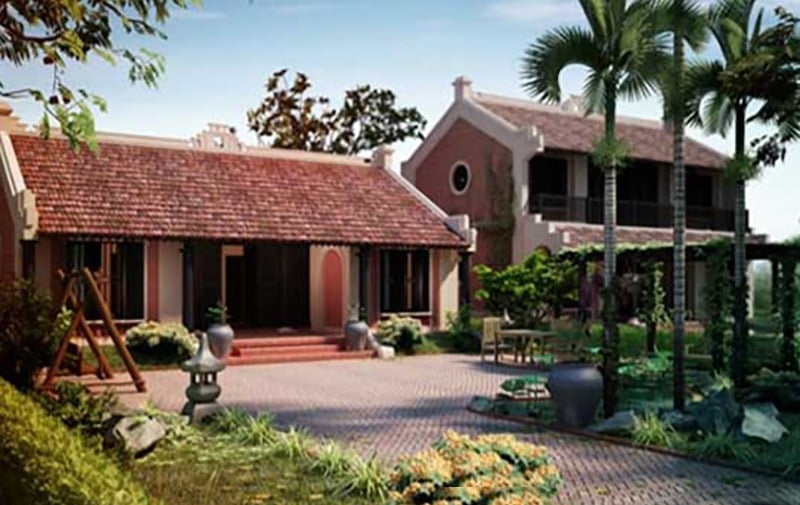
For the international investor, the urban planner, and the casual observer, the most striking feature of modern Vietnamese cities is the dramatic, accelerating shift in its skyline. Ho Chi Minh City and Hà Nội are no longer defined solely by the ancient grace of the Phố Cổ or the resilience of the Nhà Ống; they are now laboratories of global ambition, characterized by soaring glass towers, massive mixed-use developments, and signature architectural projects. This wave of contemporary architecture is far more than a simple sign of economic growth; it is a profound national manifesto—a physical declaration of Việt Nam's fierce intent to join the globalized world while simultaneously struggling to maintain its unique cultural identity and respond to its challenging tropical climate. The urban landscape is the ultimate stage for the negotiation between tradition and an aggressive, future-forward momentum.
As specialists in Vietnamese heritage and profound cultural analysis at Vietnam Charm, we embark on an essential, detailed exploration to decode this architectural paradox. We will meticulously analyze the economic mandate that fuels the contemporary boom, the aesthetic conflict between global corporate style and vernacular demands, the philosophical attempts by modern Vietnamese architects to integrate climate and memory into new forms, and the profound way this vertical growth articulates the core national values of ambition, technological adoption, and cultural resilience. Understanding this contemporary architecture is essential to grasping the future direction and the inherent challenges facing the modern Vietnamese spirit.
1. The Economic Mandate: Globalization, FDI, and the Race for the Skyline
The current velocity of contemporary architectural development in Việt Nam is the direct, visible result of the nation's successful post-Đổi Mới economic liberalization, driven by massive Foreign Direct Investment (FDI) and the explosive growth of its domestic middle class.
The necessity for height and scale is fundamentally economic and logistical. To compete on the global stage, cities require high-density, centralized commercial and residential space capable of hosting international corporations, luxury retail, and the infrastructure of modern finance. Skyscrapers and massive integrated urban developments (such as Vinhomes or new financial districts) are the material prerequisite for this global engagement. The height of a city's towers becomes a direct, non-verbal measure of its economic confidence and global status. The race to erect the tallest, most signature buildings—such as the Landmark 81 in Ho Chi Minh City—is a powerful national statement, affirming Việt Nam's ambition and technological capability.
This economic mandate, however, creates an intense architectural schism. The dense, organic, human-scale chaos of the Old Quarter and the resilience of the Tube House are being dramatically abutted by the massive, technologically sophisticated, and often impersonal scale of these new corporate structures. The juxtaposition of the ancient tile roof with the modern glass facade is the most compelling visual signature of contemporary Vietnamese urbanization, symbolizing the rapid, continuous negotiation between historical memory and future momentum.
2. The Aesthetic Conflict: Global Monolith vs. Vernacular Necessity
The most profound challenge facing contemporary Vietnamese architecture is the aesthetic conflict between the standardized, universally recognizable Global Corporate Style and the specific, immutable demands of the local vernacular and tropical climate.
The global style—characterized by monolithic glass facades, steel frames, and minimalist geometry—is often inherently anti-tropical. This style, initially conceived for temperate or high-latitude climates, often exacerbates the intense heat and direct sun of Việt Nam, necessitating massive, energy-intensive air conditioning systems. The uncritical adoption of these foreign forms risks creating structures that are physically isolated from the local environment and spiritually disconnected from the cultural aesthetic, which historically valued permeable space, shaded courtyards, and organic materials.
This conflict has forced a response from modern Vietnamese architects. Pioneers are now consciously searching for a vernacular modernity—a style that is technologically advanced yet remains deeply informed by local solutions. This response involves consciously re-integrating:
Vertical Greenery: Using large, cantilevered balconies and extensive vertical gardens to provide natural shading and manage rainwater, drawing inspiration from the ancient wisdom of integrating nature into the home (a philosophy known as Kiến trúc Xanh or Green Architecture).
Perforated Skins: Utilizing latticework (hoa văn) and perforated brick/concrete screens to allow for maximum air circulation while mitigating direct solar gain, drawing on techniques seen in traditional temples and French colonial ventilation methods.
The Light Well Principle: Re-imagining the Giếng Trời (Light Well) found in the Nhà Ống into large, multi-story open-air atriums within high-rises to draw natural light and air deep into the core of the building.
This philosophical search attempts to ensure that the buildings of the future are not merely copies of foreign forms but are structurally and spiritually Vietnamese in their core function and aesthetic.
3. Architectural Layering: The Dialogue of Coexistence and Memory
Contemporary architecture plays a crucial role in creating the unique architectural layering that defines the historical narrative of the modern city. The new structures must negotiate their existence around the sacred and historical remnants of the past.
The planning challenge is defined by the principle of adjacency. How should a 50-story glass tower relate to a centuries-old pagoda or a protected block of colonial villas? This negotiation often results in a striking visual tension that is unique to the Vietnamese urban experience. The new, vertical structures serve as a visual foil to the old, making the scale and historical value of the ancient structures more apparent. For example, a modern commercial tower rising immediately behind a preserved colonial Opera House forces the observer to acknowledge the immense historical distance covered in a single century.
Furthermore, new urban developments are often required to integrate historical and spiritual memory into their design. This might involve preserving an ancient communal house (Đình) within a commercial plaza or meticulously restoring a row of shophouses alongside a massive modern residential complex. This integration ensures that the city's growth is seen not as an erasure, but as a continuous, complex conversation where the past is physically maintained and forced to participate in the narrative of the future. The juxtaposition is the ultimate visual chronicle of the nation’s rapid transformation.
4. The Sociological Impact: Community vs. Isolation
The contemporary architectural shift from the dense, permeable, street-facing Nhà Ống to the sealed, elevated, and centralized apartment tower profoundly impacts the sociological structure of urban life, challenging the traditional Vietnamese sense of community.
The traditional Vỉa Hè (sidewalk) culture and the permeable Nhà Ống forced constant social engagement and collective observation. Life was lived publicly, where neighbors engaged constantly. The shift to sealed, high-rise living creates a challenge of isolation. Apartment life offers superior privacy, security, and amenities, but it separates the residents from the spontaneous, fluid, and essential street-level communal life. The ground floor, once the porous commercial heart of the home, is replaced by highly controlled lobbies, secured parking, and centralized retail outlets.
The sociological challenge is to create "vertical villages"—to find architectural and communal solutions that can replicate the intense social cohesion of the traditional Làng within the vertical isolation of the tower block. Urban planners are now actively designing communal spaces, shared gardens, and centralized activity areas within these new high-rises to encourage the necessary social interaction (giao tiếp cộng đồng) that is the lifeblood of Vietnamese culture. The architectural challenge is to design spaces that foster the collective spirit, ensuring that the relentless pursuit of modernity does not result in the spiritual isolation of the individual.
5. Conclusion: The Unfolding Canvas of Ambition
Vietnamese contemporary architecture is a profound, dynamic, and complex canvas of national ambition. It is a visible statement of the nation's technological progress and its fierce economic intent. By decoding the economic mandate for vertical growth, the aesthetic conflict with the global style, the philosophical need to integrate climate and local memory, and the sociological challenge of maintaining communal life, the observer gains access to a core truth: the current architectural boom is far more than construction. It is a continuous, high-stakes negotiation between two defining national forces—the powerful, stabilizing gravity of ancient cultural memory and the intense, unstoppable momentum of a future determined by ambition and technological mastery. The evolving skyline is the final, ultimate testimony to the Vietnamese spirit’s enduring resilience and its unwavering commitment to building a unique and powerful future on its own terms.
We are on social media
Vietnam Charm belongs to Vietpearl Travel., JSC
Contact:
Email: info@vietnamcharm.top
© 2026. by Vietnam Charm. All rights reserved
Travel license number: 01-827/2020
Refund Policy