Giảm giá hấp dẫn cho tour du lịch!



THE 36 GUILD STREETS: HÀ NỘI'S OLD QUARTER — DECODING THE PHILOSOPHY OF FRONTAGE, THE ECONOMICS OF THE WORKSHOP, AND THE ARCHITECTURE OF THE FAMILY BUSINESS
More than commerce: exploring the profound spatial and sociological genius of Hà Nội’s Phố Cổ, analyzing how the ancient street plan codified occupational identity, preserved micro-economies, and transformed the street facade into the family’s economic manifesto.
LOCAL EXPERIENCESVIETNAMESE CULTUREURBAN & DAILY LIFE
Tobin Nguyen
11/6/20255 phút đọc
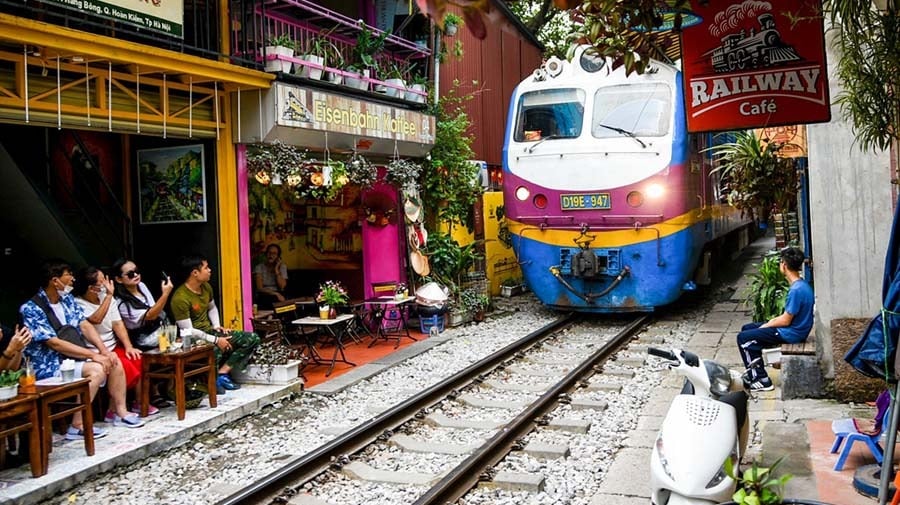
For the international visitor, the Hà Nội Old Quarter (Phố Cổ) presents itself as a sensory overload—a dense, chaotic, yet mesmerizing labyrinth of narrow streets, soaring tube houses, and relentless commercial energy. It is an environment that feels simultaneously ancient and aggressively modern. Yet, this intricate area is far more than a casual tourist attraction; it is a masterpiece of medieval urban planning—a social, economic, and architectural blueprint created centuries ago that still dictates the rhythm of life today. The Phố Cổ is the ultimate testament to Vietnamese genius in maximizing space, preserving occupational identity, and integrating the family unit seamlessly into the flow of commerce.
As specialists in Vietnamese heritage and profound cultural analysis at Vietnam Charm, we embark on an essential, detailed exploration to decode this ancient metropolis. We will meticulously analyze the historical mandate that organized the area by guild and craft, the economic philosophy of maximizing street frontage over depth, the architectural discipline that governs the spatial relationship between the public street and the private home, and the profound way the Phố Cổ continues to function as the irreplaceable historical and emotional anchor of the capital city. Understanding the Old Quarter is essential to grasping the core values of specialized labor, commercial ingenuity, and urban resilience in Northern culture.
1. The Medieval Mandate: Guilds, Craft, and the Genesis of the Phố Cổ
The unique, powerful structure of the Hà Nội Old Quarter is the direct result of a highly specific medieval planning mandate that codified life based on occupational specialization and geographical origin. This system ensured both economic efficiency and deep community cohesion.
The term “36 Phố Phường” (36 Guild Streets) is the spiritual, though not always literal, designation of the area. It signifies the primary organizational principle: each street or small cluster of streets was historically dedicated to a single, specific craft or guild. Streets like Hàng Bạc (Silver Street), Hàng Gai (Hemp Street), and Hàng Tre (Bamboo Street) were named not by accident, but by the sole commodity or craft practiced by the families who lived there. This system offered several key advantages: it concentrated expertise and raw materials in a specific locale, fostering specialized knowledge and quality control; it reduced internal competition by segmenting the market geographically; and it created a profound sense of occupational identity for the residents of that specific phố (street).
The historical genesis of this organizational structure lies in the influx of craftsmen and artisans who migrated from the surrounding rural làng nghề (craft villages) into the burgeoning capital of Thăng Long (Hà Nội). These artisans often settled in compact groups based on their home village and their shared trade, creating a strong, self-governing communal structure. This system transformed the street from a simple thoroughfare into a living, multi-generational workshop, where the production, display, and sale of goods all occurred within the same narrow facade.
2. The Economic Philosophy: Frontage, Depth, and the Tube House Logic
The unique, dense architecture of the Old Quarter is a direct, ingenious consequence of a foundational economic philosophy that prioritized visibility and commerce, resulting in the pervasive Nhà Ống (Tube House) structure.
This architecture was mandated by the pressure of land scarcity and taxation. Historically, property taxes were levied primarily on the width (frontage) of the plot facing the street, as this determined commercial visibility and accessibility. This economic constraint immediately drove property owners to maximize their depth and minimize their width, leading to the narrow, deep, and vertically imposing Tube House design. The structure is an architectural monument to the pragmatism and entrepreneurial discipline of the Northern merchant class.
The street facade of the Tube House became the family's public, economic manifesto. The entire ground floor was meticulously organized as the commercial interface: the front section was the shop (displaying goods), the middle section was the workshop (for production), and only the deep rear section contained the basic living quarters. This spatial arrangement perfectly integrated the family into the commercial flow, reinforcing the belief that the family's success was directly tied to the visibility and constant activity of its street-level enterprise. The architecture physically enshrined the principle that commerce and family life are inseparable.
3. The Architectural Discipline: The Permeable Ground Floor and Vertical Sanctity
The internal discipline of the Old Quarter architecture is characterized by a sophisticated, unspoken spatial code that meticulously governs the relationship between the loud, public chaos of the street and the sacred, private intimacy of the family.
The ground floor is the most permeable and public space—a zone of fluidity and transition. It is where motorbikes are parked, goods are displayed, and quick commercial transactions take place. This floor is designed to be easily opened to the street during the day and secured with heavy doors or shutters at night, reflecting the dynamic engagement of the resident with the urban economy.
In contrast, the upper floors represent a clear ascent into privacy and spiritual sanctity. The living room, kitchen, and especially the Ancestral Altar (Bàn Thờ) are typically located on the first or second floor, raised above the noise, dust, and chaos of the street. This vertical ascent is a deliberate, philosophical act—it secures the family's moral and spiritual center away from the material fluidity of commerce, affirming the absolute priority of the ancestral connection and the family's privacy over the external economic world. The integration of Giếng Trời (Light Wells) deep within the narrow structures is also critical, acting as architectural breathing pores that draw light and air deep into the interior, visually and spiritually connecting the family to the sky and nature within the dense urban shell.
4. The Resilience and Modernity: The Enduring Charm of the Labyrinth
Despite the intense pressures of modern urbanization, the Old Quarter has demonstrated remarkable resilience, remaining the essential historical and emotional heart of Hà Nội. The challenge lies in maintaining its structural authenticity while accommodating the demands of the 21st-century global economy.
The most profound threat to the Old Quarter's integrity is the commercial homogenization. As the cost of real estate soars, traditional family workshops are often replaced by impersonal souvenir shops, hotels, and mass-market cafes, risking the dilution of the area's original occupational identity. Hàng Bạc may no longer primarily sell silver, and Hàng Gai may sell tourist silks instead of hemp. The architectural challenge lies in ensuring that conservation efforts focus not only on the facade but on the internal function—preserving the long, narrow Tube House structure that supports the integrated workshop/home model.
Yet, the Phố Cổ remains an irresistible magnet for both citizens and visitors precisely because of its humanistic, chaotic intimacy. Its narrow, winding streets create an environment where spatial negotiation is constant, human interaction is mandatory, and unexpected discoveries are guaranteed. The unique urban fabric—its noise, its complexity, its energy—is an irreplaceable cultural asset that serves as the ultimate testament to the enduring ingenuity and collective spirit of the Northern Vietnamese merchant.
The Hà Nội Old Quarter is a masterful, living study in urban sociology and architectural constraint. It transforms narrowness into opportunity, and chaos into a functional, complex code. By decoding its ancient guild mandate, the economic logic of its frontage, and the vertical sanctity of its homes, the observer moves beyond the overwhelming sensory experience to grasp the profound historical discipline and commercial ingenuity that anchors the Vietnamese capital. The Phố Cổ is not merely old; it is the resilient, beating heart of a thousand-year-old tradition.
We are on social media
Vietnam Charm belongs to Vietpearl Travel., JSC
Contact:
Email: info@vietnamcharm.top
© 2026. by Vietnam Charm. All rights reserved
Travel license number: 01-827/2020
Refund Policy