Giảm giá hấp dẫn cho tour du lịch!


THE ANCHORS OF DESTINY: PORTS AND ESTUARIES — DECODING THE STRATEGIC GEOGRAPHY, MARITIME SOVEREIGNTY, AND THE SOUL OF VIETNAMESE COMMERCE
More than trade routes: exploring Vietnamese Cảng và Cửa Biển (Ports and Estuaries) as the ultimate historical arbiters, analyzing their profound strategic role in national defense, their function as melting pots of global culture, and their embodiment of economic resilience and enduring maritime identity.
VIETNAMESE CULTURETHE WATER CIVILIZATIONLOCAL EXPERIENCES
Tobin Nguyen
11/8/20255 phút đọc
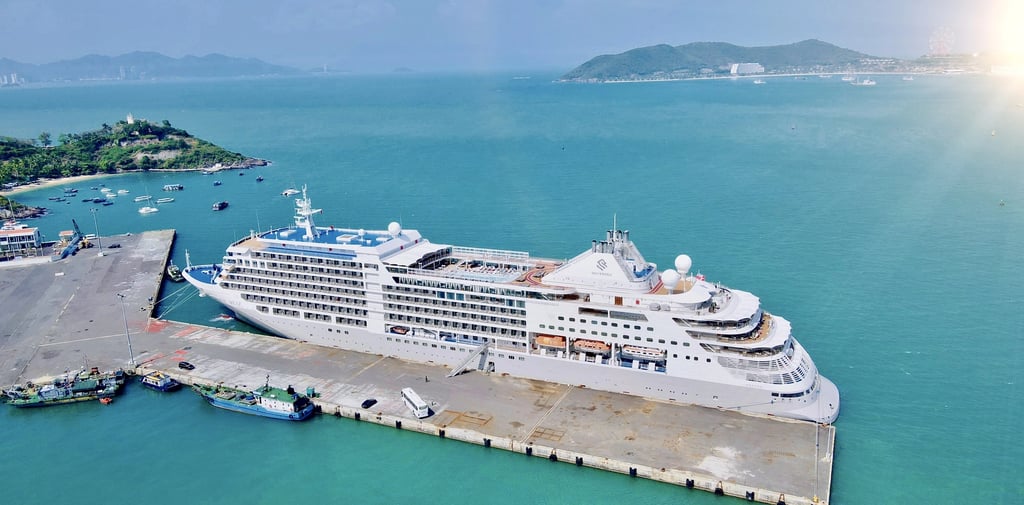
For the geopolitical strategist, the economic historian, and the observer of cultural flow, the Ports and Estuaries (Cửa Biển) of Việt Nam are not mere points on a map; they are the absolute anchors of national destiny. Stretching across the nation’s long, serpentine coastline, these harbors—from the ancient trading hubs of Hội An and Vân Đồn to the modern megalogistical centers of Sài Gòn and Hải Phòng—have served as the perennial interface between the resilient land-based civilization and the immense, complex flow of the global maritime world. The port is the ultimate crucible where Vietnamese sovereignty, commerce, and culture have been constantly tested, enriched, and ultimately defined.
As specialists in Vietnamese heritage and profound cultural analysis at Vietnam Charm, we embark on an essential, detailed exploration to decode this maritime legacy. We will meticulously analyze the strategic necessity that dictated the placement and defense of the major ports, the historical function of these harbors as essential economic and cultural melting pots, the sociological drama of their transition from ancient feudal hubs to modern industrial complexes, and the profound way these coastal gateways articulate the core values of commercial ingenuity, strategic vigilance, and the nation’s enduring, vital connection to the sea. Understanding the history of its ports is essential to grasping the core mechanisms of national defense and the engine of Vietnamese economic resilience.
1. The Strategic Mandate: Geography, Defense, and the Coastal Frontier
The historical significance of Vietnamese ports is rooted in an unrelenting strategic mandate dictated by the nation's unique geography: its long, exposed coastline created a continuous maritime frontier that required constant vigilance against external power and an effective infrastructure for internal resource distribution.
The long, exposed coastal corridor made the sea the primary vector for foreign invasion, requiring the strategic defense of every major estuary and bay. Ports were often chosen and developed not only for their natural depth and protection from storms but for their defensive choke points. The ancient trading post of Vân Đồn (near Hạ Long Bay) is the supreme historical testament to this mandate, serving as the crucial naval base and point of ambush that allowed Vietnamese forces, under generals like Trần Hưng Đạo, to repeatedly defeat powerful invading fleets in the 13th century. The port was thus a weapon of national defense before it was a center of commerce.
Furthermore, the ports served as the essential logistical bridge between the two major population centers—the Red River Delta in the North and the Mekong Delta in the South—which were historically separated by the rugged, challenging Trường Sơn (Annamite Range) mountains. The sea provided the fastest, most reliable route for administration, trade, and the deployment of military resources, ensuring the political and economic cohesion of the sprawling kingdom. The port, in this context, was the nation’s logistical anchor, binding the geographically diverse regions into a unified political entity.
2. The Cultural Crucible: Ports as Melting Pots of Global Exchange
Historically, Vietnamese ports were not merely places for loading and unloading cargo; they were dynamic, intense cultural crucibles—essential melting pots where foreign ideas, technologies, and aesthetics were filtered, absorbed, and ultimately transformed into uniquely Vietnamese forms.
The classic example of this cultural dynamism is Hội An (Quảng Nam Province), which flourished between the 15th and 19th centuries as Việt Nam's premier international trading hub. Its port attracted merchants from across the maritime world: Chinese, Japanese, Portuguese, Dutch, and Thai. The city's unique architectural and culinary identity is a direct, visible reflection of this intense cultural flow: the Japanese Covered Bridge, the massive Fujian and Cantonese assembly halls, and the pervasive use of Chinese tile and calligraphy all stand side-by-side with traditional Vietnamese Nhà Ống and local temples. The port transformed the town into a laboratory of synthesis, where foreign forms were quickly internalized and adapted to local tastes and climate.
The ports were the entry point for new technologies, new crops, and new spiritual ideas. European firearms, Christian missionaries, and new strains of rice all entered the country through these harbors, fundamentally altering the trajectory of Vietnamese history. The port city, therefore, became the most progressive, technologically advanced, and sociologically fluid urban environment in the nation, acting as a dynamic counterpoint to the more rigid, tradition-bound hierarchy of the inland imperial court.
3. The Sociological Drama: From Feudal Hub to Industrial Megalopolis
The history of Việt Nam's ports is characterized by a profound, continuous sociological drama—the turbulent transition from small, organically developed feudal trading hubs to massive, planned, industrial megalopolises under colonial and post-colonial rule.
The French colonial period radically transformed the port landscape. Instead of relying on the organically developed harbors (like Hội An), colonial planners prioritized the deep-water, strategic potential of ports like Hải Phòng (North) and Sài Gòn (South). These new ports were designed not for local trade but for efficient, high-volume extraction of resources and administration of goods flowing to Europe. This colonial mandate necessitated massive engineering—dredging rivers, constructing rigid, European-style wharves, and connecting the port directly to the colonial administrative centers via new rail lines. This structural reorganization created immense, rapid sociological dislocation, transforming local fishermen and farmers into an urban, industrialized working class.
In the contemporary era, the ports—especially Ho Chi Minh City's Cát Lái and the deep-sea terminals of Cái Mép-Thị Vải—continue their sociological transformation, now driven by global finance and logistics. They symbolize Việt Nam's fierce ambition to integrate into the global supply chain, serving as the primary economic engines that fuel the nation's rapid modernization. The port remains the non-negotiable gateway to the future, its continuous growth dictating the speed and direction of national economic momentum.
4. The Enduring Maritime Spirit: Resilience and Unspoken Courage
The enduring legacy of the Vietnamese port is the profound, spiritual resilience and unspoken courage of the maritime people who define its daily life. The harbor is not just a place of work; it is the spiritual sanctuary that mediates the human world and the formidable power of the sea.
The life of the dockworker, the sailor, and the merchant is one of intense physical labor and collective discipline. The necessity of moving immense cargo, managing complex logistics, and navigating the often-treacherous coastal waters fosters a culture of profound self-reliance, physical stamina, and quiet vigilance. This work is infused with deep, spiritual meaning: every journey begins with ritualistic prayers and offerings to the local Thần Biển (Sea Gods) or the ancestral Cá Ông (Whale Protector), seeking their blessing for the journey and safe passage.
The port is the location of the most intense emotional paradox in the maritime community. It is the site of joyous reunion—the moment the ship returns, laden with cargo and human life—and the site of agonizing loss, the moment a ship does not return. This duality ensures that the port remains a place of continuous emotional intensity, where the mundane realities of commerce are perpetually interwoven with the spiritual gravity of life and death on the open water. The port is the ultimate stage for the nation's enduring, lyrical courage.
5. Conclusion: The Permanent Gateways of National Will
Vietnamese ports and estuaries are the ultimate, enduring arbiters of the nation's historical destiny and economic ambition. They are not passive geography; they are the permanent, unwavering gateways of the national will. By analyzing their strategic necessity in national defense, their function as dynamic cultural crucibles of global exchange, the sociological drama of their industrialization, and the profound, enduring courage of the maritime spirit they anchor, the observer gains access to a core truth: the port is far more than an economic hub. It is a living chronicle of Vietnamese resilience—a powerful, structural declaration that asserts the cultural value of strategic vigilance, commercial ingenuity, and the belief that the nation's future is eternally linked to its capacity to master and honor the powerful, beautiful, and unforgiving sea.
We are on social media
Vietnam Charm belongs to Vietpearl Travel., JSC
Contact:
Email: info@vietnamcharm.top
© 2026. by Vietnam Charm. All rights reserved
Travel license number: 01-827/2020
Refund Policy