Giảm giá hấp dẫn cho tour du lịch!


THE AROMATIC CURE: TRADITIONAL HERBAL STEAM BATH — DECODING RITUAL, PURIFICATION, AND THE POWER OF INDIGENOUS HERBS
More than sweat: exploring Phòng Xông Hơi Lá (Traditional Herbal Steam Bath) as Việt Nam’s ultimate practice of thermal and aromatic purification, analyzing its profound function in dispelling Phong Hàn (Wind-Cold), its role as a vital ritual of detoxification and stress relief, and its embodiment of resourcefulness and physical resilience.
LOCAL EXPERIENCESVIETNAMESE CULTUREGASTRONOMY & TRADITION
Tobin Nguyen
11/6/20255 phút đọc
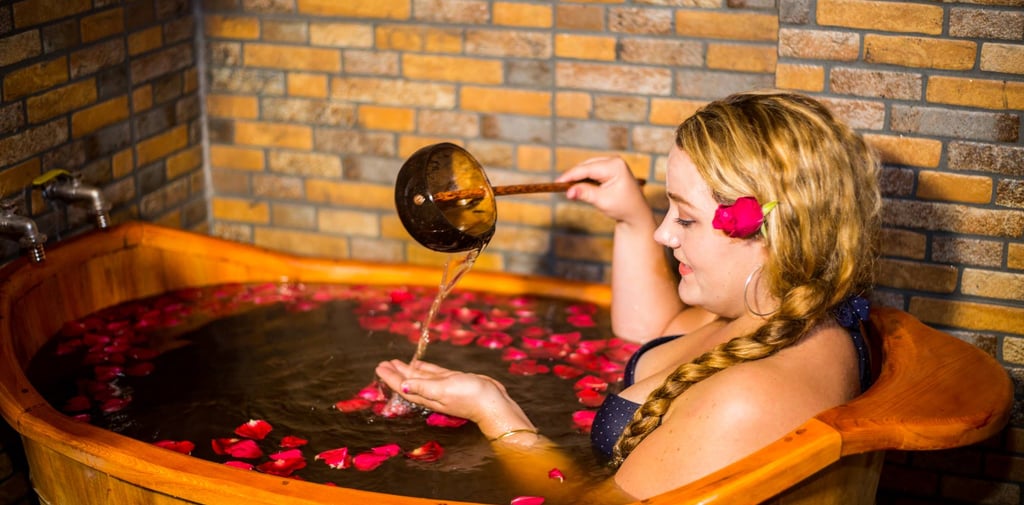
For the international wellness seeker, the biochemist, and the student of sensory healing, the practice of the Traditional Herbal Steam Bath is not a mere sauna; it is the nation’s most ancient, accessible, and intensely aromatic therapeutic ritual. This practice, utilizing the heat of water and the volatile oils of indigenous lá thuốc (herbal leaves), asserts a fundamental, non-negotiable truth: true healing requires a profound, physical surrender to heat and a gentle, aromatic cleansing of the body's surfaces and energetic pathways. The steam bath transforms the simple act of breathing into an act of deep, therapeutic inhalation, making the body a grateful, purified vessel ready to restore its balance.
As specialists in Vietnamese heritage and profound cultural analysis at Vietnam Charm, we embark on an essential, detailed exploration to decode this intimate, primal therapeutic philosophy. We will meticulously analyze the cosmological mandate that dictates the expulsion of Tà Khí (Harmful Energy), the structural genius of the indigenous herb mixture as a pharmacological agent, the sociological role of the practice as a communal or familial act of care, and the profound way this ritual articulates the core national values of holistic detoxification, disciplined prevention, and the enduring resilience of physical health. Understanding the Herbal Steam Bath is essential to grasping the physical integrity and the resourcefulness that underpins Vietnamese self-care.
1. The Cosmological Mandate: Dispelling Phong Hàn and Expelling Tà Khí
The function of the Herbal Steam Bath is rooted in a clear cosmological and energetic mandate drawn directly from Traditional Vietnamese Medicine (TVM): the absolute necessity of dispelling Phong Hàn (Wind-Cold) and physically expelling Tà Khí (Harmful or Pathogenic Energy) that has invaded the body’s surface layers.
Phong Hàn as the Root of Illness: In TVM, Phong Hàn—the combination of external cold and wind—is viewed as one of the primary external pathogenic factors that can enter the body through the skin, leading to immediate symptoms like colds, flu, body aches, stiffness, and fever. The most direct, effective, and gentlest way to treat this invasion is through the application of intense, moist heat to force the body to open its pores and physically expel the cold and dampness. The steam bath is the perfect, engineered environment for this expulsion. The rapid, deep heat stimulates immediate, profuse sweating, which is the body’s natural mechanism for pushing the cold and pathogenic Khí from the surface, clearing the channels, and restoring the protective energy (Vệ Khí).
The Expulsion of Tà Khí: Beyond the physical, the process serves a spiritual purification. Sweat is viewed as a vehicle for removing Tà Khí (negative energy often associated with stress, emotional strain, or minor ailments). The act of sweating is thus an act of cleansing and renewal, shedding the accumulated physical and emotional burdens of daily life. The thermal treatment transforms the body into a self-healing system, asserting that the body’s innate wisdom is the ultimate source of its resilience, needing only the catalyst of heat and herbs.
2. The Structural Genius: Herbal Synergy, Volatile Oils, and the Aromatic Inhalation
The immense therapeutic power of the Herbal Steam Bath lies in the structural genius of the indigenous herb mixture—a precise, highly aromatic synergy of lá thuốc (medicinal leaves) that function as the primary pharmacological agent delivered directly through inhalation and dermal absorption.
The Essential Synergy: The steam bath rarely uses a single herb; it utilizes a complex, aromatic formula meticulously designed to maximize the expulsion of cold and promote circulation. The mixture typically contains leaves, roots, and essential oils classified as Dương (Hot/Warming) to counter the cold invasion:
Sả (Lemongrass) and Gừng (Ginger): Primary thermal agents, promoting circulation and deep warmth.
Hương Nhu (Holy Basil) and Bạc Hà (Mint): Primary aromatic agents, acting as natural expectorants, opening the lungs, clearing the nasal passages, and treating congestion.
Lá Chanh/Lá Bưởi (Citrus Leaves): Aromatic agents that provide a refreshing, uplifting scent and aid in skin purification.
Aromatic Inhalation: The deep, rhythmic inhalation of the hot, volatile oils released by the herbs is the key delivery system. The concentrated steam carries the terpenes and aromatic compounds directly into the lungs and nasal passages, immediately affecting the respiratory system, calming the nervous system, and entering the bloodstream through the vast surface area of the lungs. The steam bath is thus a sophisticated system of aerosolized, holistic healing, using the body’s most essential functions (breathing and sweating) to administer the cure.
3. The Ritual of Submission: Thermal Shock, Controlled Surrender, and Rejuvenation
The successful performance of the Herbal Steam Bath is structured as a powerful ritual of controlled physical and spiritual submission—a necessary journey through thermal shock and disciplined rest that culminates in profound rejuvenation.
The Initial Surrender: The ritual begins with the patient entering the small, enclosed space and surrendering to the initial, intense thermal shock of the rising, highly saturated steam. This shock immediately accelerates the heart rate and triggers profuse, cleansing sweating. The intense heat compels the body to drop its external tension—a necessary physical submission that breaks the cycle of stress and stiffness. The patient must consciously yield to the heat, trusting the medicinal power of the steam and the herbs.
The Disciplined Rest (Tĩnh Dưỡng): The ritual does not end with the sweating. The subsequent stages are crucial: the patient must then exit the steam, meticulously cleanse the body with a warm herbal bath or gentle wipe, and then enter a period of disciplined rest—often wrapped in warm blankets, drinking a cup of warm, aromatic ginger or rice water. This rest period is non-negotiable; it prevents the external cold from re-invading the now-vulnerable open pores, allowing the body's internal healing mechanisms to stabilize and consolidate the benefits of the heat treatment. The final result is a feeling of profound lightness, clarity, and physical rebirth.
4. The Sociological Role: Familial Care and Resourceful Healing
The Herbal Steam Bath holds a vital sociological role—it is the quintessential practice of familial care, compassionate intervention, and resourceful healing that is embedded within the intimate fabric of domestic life.
Compassionate Intervention: The practice is most commonly administered by the family matriarch or elder to treat minor ailments, particularly those affecting children or the elderly, or to aid in postpartum recovery (chăm sóc phụ nữ sau sinh), where the expulsion of internal cold and the promotion of blood circulation are crucial. The act of preparing the herbs, heating the water, and gently overseeing the steam process is a powerful, non-verbal expression of deep, personalized care (lòng từ bi) and familial devotion (Hiếu). The steam bath is the ultimate act of active, compassionate nurture.
Resourceful and Accessible: The accessibility of the practice is key to its enduring resilience. The herbs are often sourced directly from the family garden or local fields (lemongrass, ginger, basil), and the "steam room" can be a simple tent erected over a clay pot of boiling water. This reliance on humble, local resources transforms the practice into a powerful symbol of self-reliance (tự lực), asserting that the most effective healing tools are universally available, requiring only ancestral knowledge and disciplined ingenuity to activate their power.
5. Conclusion: The Permanent Testament to Aromatic Purification
The Traditional Herbal Steam Bath is the ultimate, enduring, and intensely sensory testament to the Vietnamese spirit's capacity for holistic cleansing, thermal resilience, and disciplined self-care. It is a therapeutic ritual that transforms steam and scent into a source of profound physical and spiritual renewal. By analyzing the cosmological mandate to expel Phong Hàn, the structural genius of the multi-herb aromatic synergy, the ritual of controlled submission to thermal shock and disciplined rest, and the sociological role of familial, compassionate care, the observer gains access to a core, luminous truth: the steam bath is far more than detoxification. It is the permanent, unwavering declaration of aromatic purification—a powerful, sensory assertion that asserts the cultural value of disciplined prevention, resourceful healing, and the belief that the purest, most resilient form of health is continuously secured through the profound, rhythmic surrender to the cleansing power of heat and the ancestral wisdom of the Earth's herbs.
We are on social media
Vietnam Charm belongs to Vietpearl Travel., JSC
Contact:
Email: info@vietnamcharm.top
© 2026. by Vietnam Charm. All rights reserved
Travel license number: 01-827/2020
Refund Policy