Giảm giá hấp dẫn cho tour du lịch!


THE ART OF THE TOUCH: TRADITIONAL MASSAGE AND ACUPUNCTURE — DECODING THE MERIDIANS, ENERGY FLOW, AND THE PHILOSOPHY OF THE FLEXIBLE BODY
More than relief: exploring Xoa Bóp và Châm Cứu (Traditional Massage and Acupuncture) as Việt Nam’s ultimate external therapeutic art, analyzing the profound discipline of Châm Cứu (Needle-Point Precision), the function of Kinh Mạch (Meridians) as the body's energy highways, and its embodiment of the holistic pursuit of unobstructed Khí (Life Force).
VIETNAMESE CULTUREHEALTH & WELLNESSLOCAL EXPERIENCES
Tobin Nguyen
11/8/20255 phút đọc
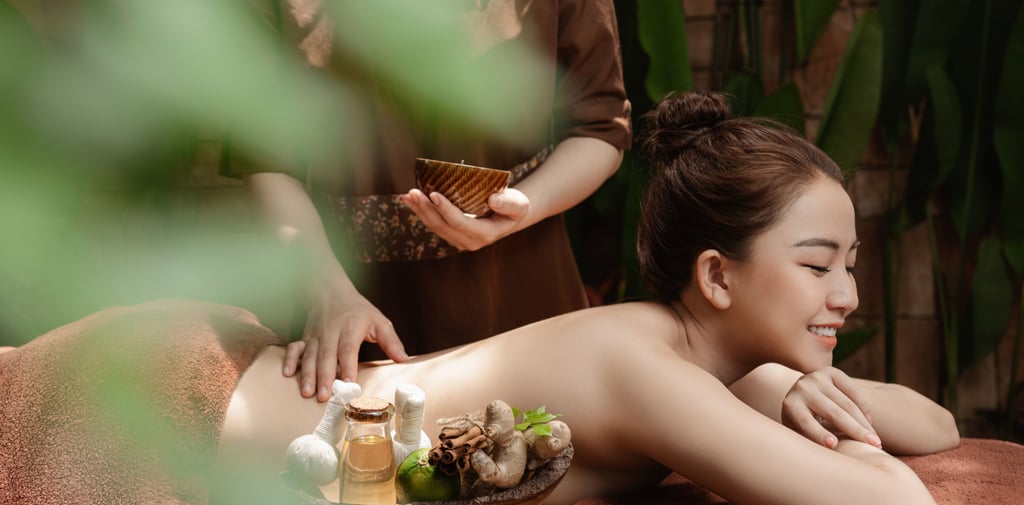
For the international physiologist, the seeker of mindful wellness, and the student of energy systems, Traditional Vietnamese External Therapies—encompassing the precise stimulation of Acupuncture (Châm Cứu) and the restorative manipulation of Massage (Xoa Bóp)—are not mere physical treatments. They are the nation’s most profound, ancient science of energy flow, asserting that the body’s health is entirely dependent on the continuous, unobstructed, and dynamic movement of Khí (Life Force) through a vast, invisible network of internal pathways. This practice transforms the skin and muscles into a therapeutic map, where the disciplined, knowing touch or the precise placement of a needle acts as a direct, non-negotiable command to the body’s internal architecture, compelling the energy to flow, reset, and heal.
As specialists in Vietnamese heritage and profound cultural analysis at Vietnam Charm, we embark on an essential, detailed exploration to decode this intimate, profound therapeutic philosophy. We will meticulously analyze the cosmological mandate that requires the continuous flow of Khí, the structural genius of the Kinh Mạch (Meridians) as the body's energetic blueprint, the disciplined art of needle placement in acupuncture, and the profound way these external therapies articulate the core national values of holistic balance, compassionate precision, and the disciplined pursuit of a flexible, open vessel. Understanding these therapies is essential to grasping the physical and spiritual integrity that underpins the Vietnamese approach to longevity.
1. The Cosmological Mandate: Khí, Obstruction, and the Flexible Vessel
The foundation of Traditional Vietnamese External Therapies is an absolute cosmological mandate: the belief that human life is sustained by Khí (Life Force or Vital Energy), which must flow continuously and harmoniously through the body, and that the therapeutic goal is to restore the body to a state of flexible, unobstructed passage.
Khí as the Essence of Life: Khí is the dynamic, active energy that drives all physiological function, providing warmth, movement, and cognitive clarity. Health (sức khỏe) is the result of Khí flowing smoothly and in the correct quantities to all organs and limbs. Pain and illness (bệnh tật) are the direct, inevitable result of Khí Bế (Stagnant Khí)—an energetic traffic jam caused by external forces (Cold, Wind, Damp) or internal imbalances (Stress, Poor Diet). This philosophy transforms the body from a collection of discrete parts into an integrated, fluid energetic ecosystem.
The Goal of Flexibility: The therapeutic interventions (massage, acupuncture) are designed to physically and energetically break up stagnation. The core philosophy dictates that the body must be maintained as a flexible, pliable vessel—one that can absorb the shocks of the external world (environmental or emotional) without allowing that shock to solidify into pain or blockage. Stiffness, tension, and chronic pain are physical manifestations of a spiritual and energetic refusal to flow. The therapeutic touch or needle is the disciplined command that reminds the body of its most fundamental, non-negotiable duty: to move, adapt, and flow.
2. The Structural Genius: Decoding the Kinh Mạch (Meridian System)
The efficacy and the methodological precision of Acupuncture and related therapies are entirely dependent on the structural genius of the Kinh Mạch (Meridian System)—the invisible, intricate network of energy highways that links the surface of the body directly to the internal organs and the cosmological framework.
The Body's Energetic Blueprint: The Kinh Mạch are the designated pathways through which Khí flows, linking the Huyệt (Acupuncture Points)—which are specific, small, high-density areas of energetic connection—to the Ngũ Tạng (Five Major Internal Organs) and the Ngũ Hành (Five Elements). A specific meridian (e.g., the Liver Meridian or the Lung Meridian) is treated not to affect the physical organ alone, but to regulate the energetic quality associated with that organ (e.g., treating the Liver Meridian regulates the flow of anger and the influence of the Wood element).
The Diagnostic Act: The TVM practitioner uses the pulse and palpation to read the quality of Khí and Blood flow within the meridians, identifying the specific meridian that is suffering from Hư (Deficiency) or Thực (Excess). The acupuncture needle is the precise tool for energetic correction: inserting a needle into a point of excess can "drain" the energy, while stimulating a point of deficiency can "tonify" or strengthen the energy flow. This knowledge transforms diagnosis from an observation of pathology into a sophisticated, intuitive reading of the body's subtle, invisible energetic blueprint.
3. The Disciplined Art: Acupuncture and the Power of the Subtle Intervention
Acupuncture (Châm Cứu) is the ultimate expression of disciplined, subtle, external intervention—an ancient, high-stakes art that requires not only anatomical knowledge but profound, intuitive energetic literacy from the practitioner.
Precision and Intent: The power of acupuncture lies in its simplicity and precision. The needles—fine, sterile, and hair-thin—are placed into the Huyệt (points) to command the flow of Khí. The practitioner's skill is the capacity to achieve Đắc Khí (Obtaining the Khí)—the moment the patient feels a subtle, unique sensation (often a dull ache, warmth, or tingling) that signifies the needle has successfully engaged the energy pathway and the command to flow has been transmitted. This feeling is the visible proof of the subtle, internal intervention.
The Therapeutic Goal: Acupuncture is used not to mask symptoms but to reset the energetic architecture. It is used to clear blockages, treat chronic pain by manually stimulating the flow of Khí and Blood, and to harmonize the internal organs by regulating the energetic connection between them. The procedure embodies the philosophy of minimal but decisive intervention: the needle is the ultimate tool of quiet, focused energy, asserting that the most profound change often requires the most subtle, disciplined effort. The practitioner's sustained focus and disciplined technique transform the act into a meditative contract with the body's internal wisdom.
4. The Compassionate Touch: Massage, Cupping, and the Clearing of Stagnation
Traditional Vietnamese Massage (Xoa Bóp) and related physical therapies embody the compassionate touch—the manual, physical effort required to break up surface stagnation, restore muscular flexibility, and prepare the body for the deeper interventions of acupuncture and herbs.
Massage as Preventative Care: Vietnamese massage is often integrated into daily or weekly self-care. It focuses heavily on Thủ Pháp (Hand Techniques)—kneading, pressing, tapping, and gliding motions used along the muscles, tendons, and, crucially, the surface meridians. The goal is to release phong hàn (wind-cold) accumulated in the muscles, clear stagnation that manifests as tension or stiffness, and actively encourage blood flow (huyết) throughout the system. The massage is a manual demonstration of the philosophy of flow: every knot and tension point is viewed as a miniature energy blockage that must be gently, patiently persuaded to release.
Cupping (Giác Hơi) and Coining (Cạo Gió): These highly visible, intense therapies are used to manually draw heat, toxins, and stagnation to the surface of the skin, forcing the body to release the internal blockage. Cupping (using heated glass cups to create a vacuum) and Coining (using a rigid tool to scrape the skin) create temporary, dramatic surface bruising, which is viewed not as damage but as the visible proof of the internal cleansing—the toxic Khí being pulled out of the deep tissues. These methods embody the culture's acceptance of temporary, intense physical intervention for long-term holistic wellness.
5. Conclusion: The Permanent Testament to the Flow of Khí
Traditional Vietnamese External Therapies are the ultimate, enduring, and essential testament to the Vietnamese spirit's capacity for sophisticated, precise, and compassionate healing. They are a science that transforms the body into a readable energetic map and the hand into a command system. By analyzing the cosmological mandate that requires the continuous flow of Khí, the structural genius of the meridian system, the disciplined art of the acupuncture needle, and the compassionate touch of massage and cupping, the observer gains access to a core, luminous truth: these therapies are far more than symptom relief. They are the permanent, unwavering declaration of the flow of life—a powerful, precise assertion that asserts the cultural value of disciplined subtlety, holistic integrity, and the belief that the purest, most resilient form of health is continuously secured by maintaining the flexible, open, and fluid vessel of the human spirit and body.
We are on social media
Vietnam Charm belongs to Vietpearl Travel., JSC
Contact:
Email: info@vietnamcharm.top
© 2026. by Vietnam Charm. All rights reserved
Travel license number: 01-827/2020
Refund Policy