Giảm giá hấp dẫn cho tour du lịch!


THE CLEANSING PLATE: VEGAN CULINARY MEDICINE — DECODING DETOXIFICATION, SPIRITUALITY, AND THE HOLISTIC HEALTH OF THE PLANT-BASED DIET
More than diet: exploring Y Học Ẩm Thực Chay (Vietnamese Vegan Culinary Medicine) as the nation’s ultimate practice of spiritual and physical purification, analyzing its profound function in detoxification and energetic neutrality, its role as an act of spiritual merit (tạo phước), and its embodiment of compassionate, holistic wellness rooted in Buddhist ethics.
LOCAL EXPERIENCESVIETNAMESE CULTUREGASTRONOMY & TRADITION
Tobin Nguyen
11/6/20255 phút đọc
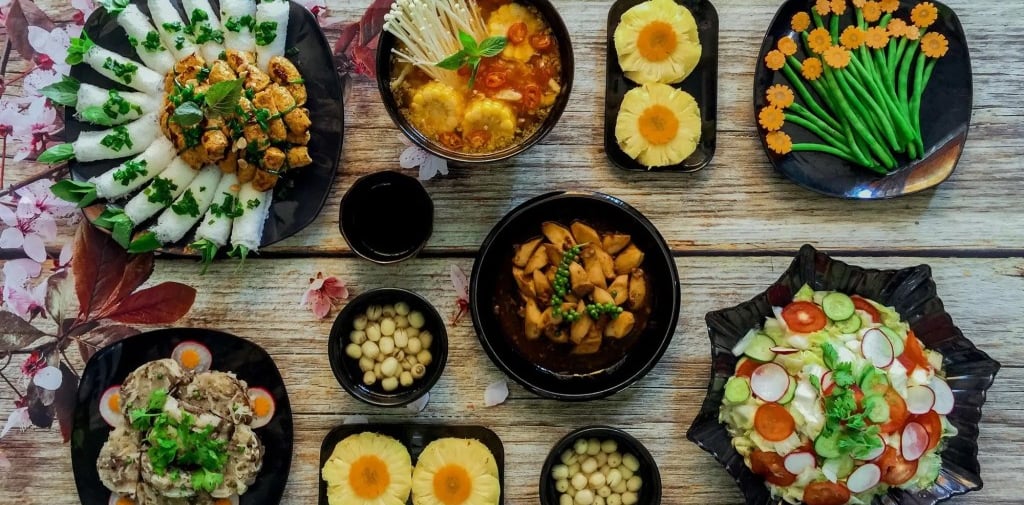
For the international wellness advocate, the theologian of diet, and the seeker of the nation’s quiet, ethical wisdom, Vietnamese Vegan Cuisine (Món Ăn Chay) is not merely a dietary restriction; it is the nation’s most disciplined, accessible, and profound system of spiritual and physical medicine. Rooted deeply in the ethical principles of Buddhism (Đạo Phật), this culinary tradition asserts an ultimate, moral truth: the path to pure physical health and serene spiritual clarity requires the disciplined refusal of violence (sát sinh) and the embrace of simplicity and energetic neutrality. The vegan plate, meticulously prepared with an immense array of local vegetables, fungi, and tofu, is consecrated as the daily, visible archive of compassion, ensuring that the act of eating is perpetually aligned with the ethical duty of non-harm.
As specialists in Vietnamese heritage and profound cultural analysis at Vietnam Charm, we embark on an essential, detailed exploration to decode this intimate, profound culinary philosophy. We will meticulously analyze the spiritual mandate that links ăn chay (eating vegan) to the principle of compassion, the therapeutic function of the diet in achieving energetic neutrality and detoxification, the structural genius of replacing umami and texture with plant-based ingenuity, and the profound way this practice articulates the core national values of holistic purity, ethical non-violence, and disciplined simplicity. Understanding Vegan Culinary Medicine is essential to grasping the ethical integrity and the compassionate heart that underpins Vietnamese wellness.
1. The Spiritual Mandate: Compassion, Non-Violence, and the Buddhist Covenant
The genesis and the profound cultural necessity of Vietnamese Vegan Cuisine are rooted in a clear spiritual mandate: the absolute commitment to Từ Bi (Compassion) and the ethical principle of Không Sát Sinh (Non-Violence), as prescribed by the Đạo Phật (Buddhism) faith.
The Ethical Plate: Buddhism asserts that all living beings possess the potential for enlightenment, making the taking of life (sát sinh) a grievous act that accumulates negative Nghiệp (Karma). By choosing to ăn chay (eat vegan), the individual actively commits to minimizing their negative karmic footprint, transforming the daily meal into an active ritual of ethical merit (tạo phước). The food consumed is seen as Thực Phẩm Tịnh (Pure Food), free from the residual negative energy (karma, fear) associated with the violent end of a sentient life. The decision to eat vegan is a profound, public, and disciplined declaration of spiritual intent.
Temporal Discipline: The commitment to veganism is often practiced not only continuously, but during specific religious periods (ngày rằm/mồng một—the full and new moon), or during periods of intense spiritual practice (Lễ Vu Lan). This temporal discipline reinforces the philosophical principle that purification is a continuous, earned state, requiring rhythmic, conscious renewal of the ethical covenant. The vegan plate is thus the most visible, delicious form of spiritual self-cultivation.
2. The Therapeutic Function: Detoxification and Energetic Neutrality
Beyond the spiritual ethics, Vegan Culinary Medicine serves a profound therapeutic function, intentionally designed to achieve detoxification (thanh lọc cơ thể) and restore the body to a state of energetic neutrality and lightness—a highly desired state in TVM.
Cleansing the System: The diet is revered for its ability to gently, yet profoundly, cleanse the internal system. The reliance on high-fiber, easily digestible vegetables, roots, and legumes aids in the efficient removal of internal metabolic waste and heavy toxins (which are often accumulated through the consumption of dense, rich, fatty foods—often classified as excess Yang). The vegan diet, being naturally lighter and less taxing on the digestive organs (Liver and Kidney), allows the body to enter a state of Tịnh Dưỡng (Rest and Purification). The process is viewed as a necessary seasonal and spiritual reset for the internal environment.
Energetic Neutrality: In the TVM framework, the avoidance of heavy animal protein, which is often classified as intensely Dương (Hot/Heavy) energy, facilitates the creation of a more Âm (Cool/Neutral) internal energetic balance. This neutrality is desired not for stasis, but for flexibility and clarity. The neutral body is less prone to the fiery outbursts of Yang excess (anger, inflammation, high blood pressure) and is better positioned to absorb the pure, positive Khí from the external environment. The therapeutic result is a feeling of Thân Tâm An Lạc (peace in body and mind), achieved through disciplined dietary choice.
3. The Structural Genius: Replacing Umami, Texture, and the Art of Plant Synthesis
The structural genius of Vietnamese Vegan Cuisine lies in its ingenious, disciplined mastery of plant-based substitution, transforming humble ingredients into powerful, texturally sophisticated, and deeply satisfying culinary experiences that mimic the complexity of non-vegan dishes.
Umami Substitution: The greatest culinary challenge—replacing the complex umami and depth provided by fish sauce (nước mắm) and meat stock—is met through sophisticated techniques:
Nước Mắm Chay (Vegan Fish Sauce): Created through the long, patient fermentation and slow concentration of Nấm (Mushrooms), Dứa (Pineapple), and Đậu Nành (Soybeans). This essence provides the necessary savory, salty depth without sacrificing the ethical mandate.
Nước Dùng Chay (Vegan Broth): The foundation of soups (like Phở Chay or Bún Riêu Chay) relies on the long, patient simmering of Củ Quả (Root Vegetables—Carrots, Daikon), Nấm (Mushrooms), and Táo Tàu (Jujubes) to achieve a clear, sweet, and complex flavor profile that provides the necessary flavor anchor.
Textural Ingenuity: Vietnamese chefs demonstrate immense skill in utilizing Tofu (Đậu Hũ), Tương (Fermented Bean Curd), and various Fungi to replicate the texture and "mouth-feel" of meat, ensuring the cuisine remains satisfying and structurally complete. The cuisine is a testament to creative resourcefulness, asserting that culinary sophistication is not dependent on the source of protein, but on the disciplined technique of the cook.
4. The Sociological Role: Communal Merit and the Temple's Hospitality
The practice of Vegan Culinary Medicine assumes a unique sociological and communal role, often centered around the Chùa (Pagoda) as the primary site of preparation and consumption, affirming the collective nature of spiritual merit.
The Temple's Hospitality: Many pagodas maintain large kitchens and communal dining halls, providing daily or weekly cơm chay (vegan meals) free of charge or at minimal cost to the public, particularly on the auspicious moon days. This act of unconditional, spiritual hospitality (bố thí) is a core function of the Buddhist community, allowing both the preparers (who generate merit through their labor) and the consumers (who generate merit through their ethical consumption) to participate in the collective pursuit of purification. The sharing of the vegan meal is a profound, non-verbal act of communal compassion (từ bi).
The Aesthetics of Purity: Vegan dishes are often prepared and presented with a distinct aesthetic of purity and simplicity. The emphasis is on the natural colors and forms of the vegetables, reflecting the ethical mandate that the food must be clean, honest, and unadulterated. This aesthetic reinforces the spiritual purpose: the meal is designed to nourish the body gently and to remind the mind of the virtue of giản dị (simplicity). The vegan plate is the beautiful, delicious embodiment of ethical commitment.
5. Conclusion: The Permanent Testament to Ethical Purity
Vietnamese Vegan Culinary Medicine is the ultimate, enduring, and spiritually profound testament to the nation's capacity for ethical discipline, culinary ingenuity, and holistic self-care. It is a philosophy that transforms the daily meal into a powerful, compassionate therapeutic ritual. By analyzing the spiritual mandate that links ăn chay to the principle of non-violence, the therapeutic function of the diet in achieving detoxification and energetic neutrality, the structural genius of umami substitution and plant synthesis, and the sociological role of communal merit and temple hospitality, the observer gains access to a core, luminous truth: vegan cuisine is far more than a dietary choice. It is the permanent, unwavering declaration of ethical purity and compassionate wellness—a powerful, quiet assertion that asserts the cultural value of disciplined self-cultivation, ecological respect, and the belief that the purest, most resilient form of health is continuously secured through the gentle, simple, and deeply ethical commitment to a life of non-harm.
We are on social media
Vietnam Charm belongs to Vietpearl Travel., JSC
Contact:
Email: info@vietnamcharm.top
© 2026. by Vietnam Charm. All rights reserved
Travel license number: 01-827/2020
Refund Policy