Giảm giá hấp dẫn cho tour du lịch!


THE COASTAL TREK: VĨNH HY BAY & NÚI CHÚA — DECODING SALT, SUN, STONE, AND THE SYNTHESIS OF OCEAN AND MOUNTAIN
More than a trail: exploring Vịnh Vĩnh Hy & Vườn Quốc Gia Núi Chúa as Việt Nam’s ultimate primal ecological dichotomy, analyzing the profound challenge of aridity and relentless sun, the spiritual covenant with the Cham indigenous people, and its embodiment of fierce self-reliance and the synthesis of maritime and vertical spirit.
VIETNAMESE CULTUREVIETNAM'S VERTICAL SOULLOCAL EXPERIENCES
Tobin Nguyen
11/8/20255 phút đọc
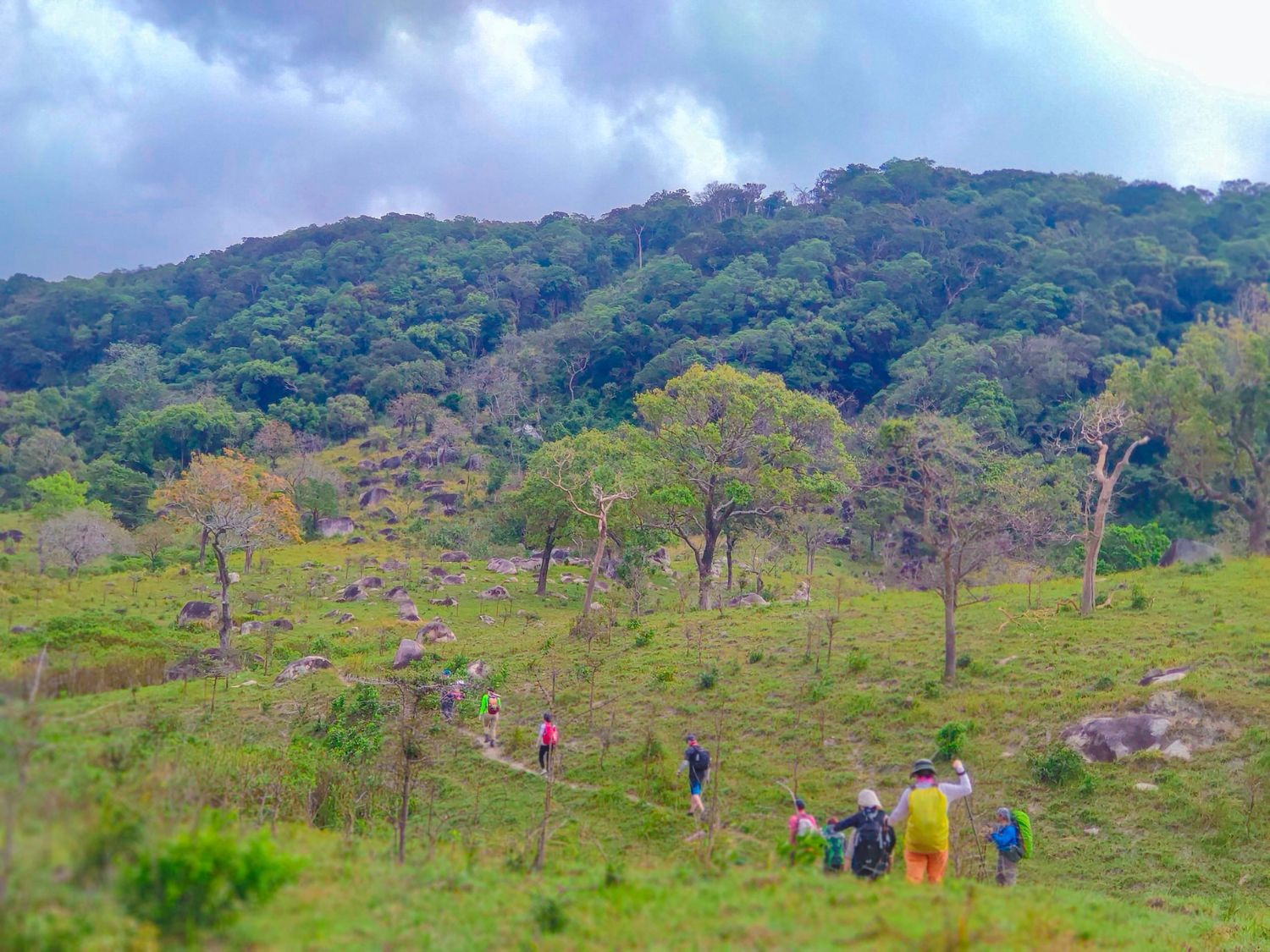
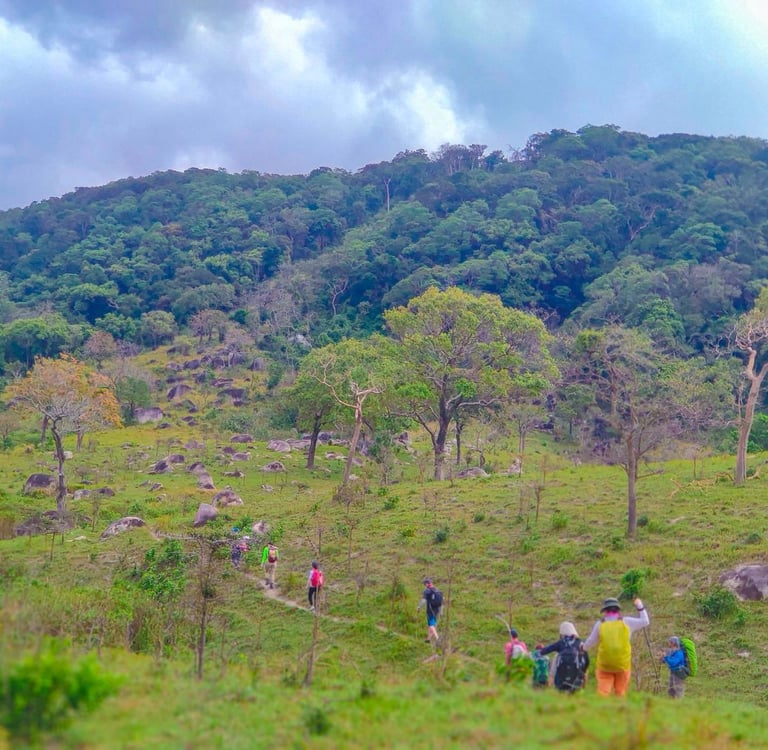
For the international environmental scientist, the dedicated coastal trekker, and the seeker of the nation’s most exposed, sun-drenched edge, Núi Chúa National Park in Ninh Thuận—a rugged, magnificent mountain range that plunges directly into the turquoise waters of Vĩnh Hy Bay—is not merely a scenic area. It is the nation’s sacred, unmoving archive of geological aridity and the most explicit, demanding challenge to human endurance against the heat and the salt. The experience of trekking here asserts an ultimate, non-negotiable truth: true resilience is forged in scarcity, the desert spirit demands absolute humility, and the spiritual energy of the mountain and the ocean must be harmoniously embraced. The journey is a high-stakes, visceral dialogue with the raw, elemental forces of the Sun, the Stone, and the Sea.
As specialists in Vietnamese vertical exploration at Vietnam Charm, we invite the global adventurer on an essential, detailed journey to decode this profound, sun-drenched epic. We will meticulously analyze the geological mandate that sculpted the arid climate and the rocky terrain, the historical mandate that ties the trails to the ancient Chăm (Cham) civilization, the physical discipline required to conquer the relentless heat and lack of water, and the profound way this frontier articulates the core national values of disciplined self-reliance, ecological humility, and the fierce, quiet pride of synthesis. Understanding Vĩnh Hy and Núi Chúa is essential to grasping the emotional depth and the unshakeable spirit that defines Central Việt Nam’s primal soul.
1. The Geological Mandate: Aridity, Granite, and the Spirit of Scarcity
The entire character of Núi Chúa and the unique difficulty of coastal trekking are defined by a clear geological and climatic mandate: the fusion of hard, unrelenting granite and rocky soil with the harshest, most arid climate in all of Việt Nam, creating an environment defined by relentless sun and the scarcity of water.
The Desert Spirit: The region falls into a distinct rain shadow, receiving significantly less rainfall than the surrounding coastal areas. This lack of moisture has created a unique savanna-like ecosystem—a landscape of thorny brush, granite rock formations, and low-lying scrub that is the polar opposite of the humid, lush northern jungle. Trekking here is a battle against exhaustion, high heat, and the non-negotiable discipline of water management. The sun is the primary adversary, demanding an absolute psychological surrender to humility and a non-hasty, slow, methodical pace. The granite asserts a primal truth: survival is a function of disciplined conservation.
The Synthesis of Elements: The trails are a constant, immediate dialogue between the mountain and the sea. The paths climb quickly over exposed, rocky outcrops, offering immediate, breathtaking vistas of the deep Biển Đông (East Sea). This constant juxtaposition transforms the trekking experience from a typical forest walk into a multisensory immersion—the sound of the surf, the scent of salt, and the dry heat of the stone are constantly synthesized, demanding that the trekker harmonize their body's rhythm with the immense forces of the coast.
2. The Historical Mandate: Chăm Trails, Spiritual Reverence, and the Archive of Resilience
The Núi Chúa trails hold a deep historical and spiritual mandate, consecrated by their use for centuries by the Chăm (Cham) indigenous people—the heirs of the ancient Champa Kingdom. Trekking here is a silent journey through a profound archive of resilience and indigenous environmental wisdom.
The Ancient Artery: The trails weaving through the granite mountains and down to the sea are not modern creations; they are ancestral arteries, historically used by the Chăm and Raglai communities for trade, grazing, and accessing water resources. The enduring presence of the Chăm people, who mastered the art of survival in this arid environment through ingenious hydro-engineering and cultural adaptation, imbues the landscape with a profound sense of historical continuity. Trekking the high, dry passes is a non-verbal covenant with their fierce, enduring spirit.
Spiritual Reverence: The Cham culture holds a deep, sacred reverence for the mountains and the sea. The mountains were often viewed as the spiritual dwelling places of the local Thần (Deities). The trekking paths become acts of spiritual pilgrimage, requiring the explorer to move with humility and respect, acknowledging that the land is not merely geological material but a living, sacred presence. The self-reliance and enduring dignity of the local people are the ultimate, living testament to the fact that culture and discipline are stronger than environmental scarcity.
3. The Physical Crucible: Heat, Hydration, and the Final Descent to Vĩnh Hy Bay
The physical challenge of the Núi Chúa trek is a true crucible of endurance, relentlessly testing the trekker’s discipline in hydration, self-management, and resistance to thermal exhaustion.
The Relentless Sun: Unlike the shaded, cool climbs of the Northern mountains, the Núi Chúa trek is defined by direct, unyielding solar exposure. The primary physical mandate is to conserve energy and water—forcing the trekker to adopt a slow, disciplined, and methodical pace that minimizes energy expenditure. Haste is punished by immediate, severe dehydration. The heat requires the trekker to enter a state of physical mindfulness, constantly monitoring their body's rhythm and fluid balance.
The Descent to Vĩnh Hy: The emotional and physical climax often involves the final, steep descent into Vĩnh Hy Bay—a protected, pristine bay whose waters offer the ultimate reward of physical and spiritual cleansing. The sight of the turquoise water after hours of intense heat and dry stone is a powerful psychological incentive. The final steps are a release—a journey from the hard, rigid world of the granite into the fluid, restorative sanctuary of the sea. The immersion in the cold, clear water is the ritualistic act of purification and earned grace, sealing the memory of the disciplined suffering endured.
4. The Ecological Dichotomy: Desert and Coral, and the Philosophy of the Synthesis
Núi Chúa National Park presents a unique ecological dichotomy, synthesizing the harshness of the arid, mountain desert with the immense, vibrant biodiversity of the coastal marine ecosystem—the coral reefs of Vĩnh Hy Bay.
The Barren Above, The Vibrant Below: The contrast is stark and immediate: the mountain above is defined by scarcity, granite, and subdued, resilient vegetation; the sea below is defined by abundance, fluid movement, and explosive color (the pristine coral). This profound ecological juxtaposition teaches a crucial philosophical lesson: nature's resilience manifests in two extreme, equally powerful forms. The mountain embodies the strength of rigidity and enduring patience; the ocean embodies the power of fluidity and constant renewal. The successful trekker must respect and submit to both mandates.
The Ethic of Water: The journey reinforces a deep conservation ethic centered on water purity. The park's management is a struggle to protect the scarce water resources of the mountain from human intrusion while simultaneously protecting the immense, fragile marine life of the bay from contamination. The trekker's presence is a non-verbal covenant to uphold the purity of the synthesis that defines the park.
5. Conclusion: The Permanent Testament to Salt-Forged Will
Vịnh Vĩnh Hy & Vườn Quốc Gia Núi Chúa are the ultimate, enduring, and powerfully visceral testament to the Vietnamese spirit's capacity for self-reliance, ecological synthesis, and endurance against scarcity. It is a landscape that transforms the intense heat and dry stone into a profound sanctuary of elemental dialogue. By analyzing the geological mandate that sculpted the arid climate and the rocky terrain, the historical mandate that consecrated the trails with the enduring spirit of the Chăm people, the physical crucible of sun and thirst, and the spiritual synthesis of mountain and sea, the observer gains access to a core, luminous truth: Núi Chúa is far more than a coastal hike. It is the permanent, unwavering declaration of salt-forged will—a powerful, fierce assertion that asserts the cultural value of disciplined humility, conservation of resources, and the belief that the purest, most resilient form of strength is eternally found in the synchronous embrace of the Earth's dry granite and the Sea's cool, life-giving soul.
We are on social media
Vietnam Charm belongs to Vietpearl Travel., JSC
Contact:
Email: info@vietnamcharm.top
© 2026. by Vietnam Charm. All rights reserved
Travel license number: 01-827/2020
Refund Policy