Giảm giá hấp dẫn cho tour du lịch!


THE CONTEMPLATIVE PAUSE: DECODING THE VIETNAMESE TEA CEREMONY — ZEN, SOLITUDE, AND THE ART OF QUIET PATIENCE
More than a beverage: exploring the philosophy of the Vietnamese trà đạo, analyzing the ritual as a profound act of meditation, ancestral respect, and the necessary pursuit of solitude amidst the chaos of the modern world.
HERITAGE & SPIRITLOCAL EXPERIENCES
Tobin Nguyen
11/6/20255 phút đọc
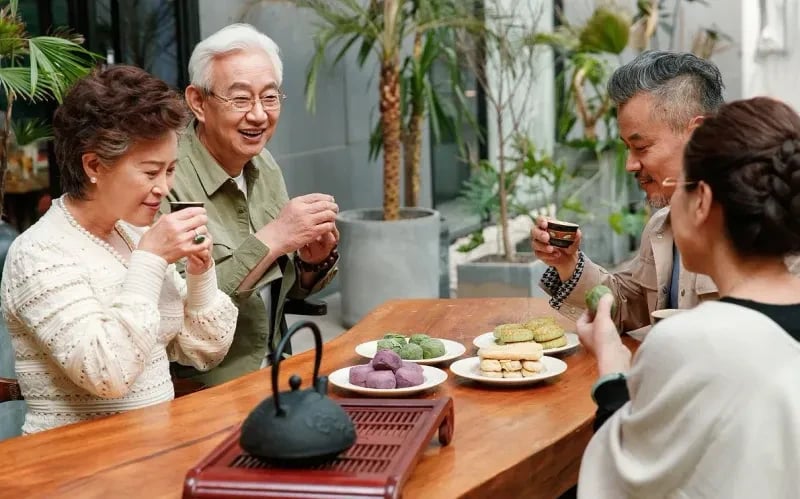
For the international observer accustomed to the ceremonial complexity of Japanese matcha or the high social ritual of English afternoon tea, the Vietnamese Tea Ceremony (Nghi thức Trà) offers a study in quiet, profound contrast. This is not a grand, public spectacle; it is an intimate, deeply personal, and highly intellectual act—a direct reflection of the Vietnamese spirit that values contemplation, modesty, and the search for inner stillness. The ritual surrounding the tea, or trà, is an ancient practice that serves as a spiritual anchor, a form of communal bonding, and a deliberate, gentle pause against the relentless, chaotic momentum of daily life.
As specialists in Vietnamese heritage and profound cultural analysis at Vietnam Charm, we embark on an essential, detailed exploration to decode this quiet ritual. We will meticulously analyze the spiritual philosophy embedded in the preparation and consumption of tea, the minimalist aesthetic that governs the ceremony, the intellectual and poetic tradition that surrounds its appreciation, and the profound role tea plays in strengthening familial bonds and preserving cultural memory. Understanding the Vietnamese Tea Ceremony is essential to grasping the nation's core value of simplicity and the quiet pursuit of internal harmony.
1. The Philosophical Foundation: Silence, Solitude, and the Pursuit of Thanh Tịnh
The philosophy of Vietnamese tea culture is centered on the pursuit of Thanh Tịnh (Purity and Serenity). The ritual is designed to strip away external distractions, allowing the participant to focus entirely on the present moment, the sensory experience of the tea, and the internal dialogue of the self.
The tea ritual is inherently a deliberate act of deceleration. In a culture defined by the rush of motorbikes and the energy of commerce, the act of preparing and waiting for the tea forces a mandatory stillness. This pause is not merely passive; it is active meditation. The focus on the precise temperature of the water, the careful placement of the implements, and the controlled pour requires meticulous attention, grounding the mind in the physical act. This practice resonates deeply with the core tenets of Vietnamese Thiền (Zen) Buddhism, where simplicity and concentration are paramount. The cup of tea becomes a direct, sensory conduit to mindfulness.
The ceremony emphasizes the concept of Hữu Duyên (Fated Connection). While tea is often consumed in solitude, sharing tea with guests elevates the ritual to an act of profound social importance. The shared consumption symbolizes respect, hospitality, and the recognition of a valuable, often pre-destined bond between the host and the guest. The silence and mutual focus on the tea create an atmosphere where communication transcends verbal language, establishing an immediate, honest connection rooted in shared sensory experience.
2. The Architecture of the Ceremony: Minimalism, Precision, and the Sacred Tools
Unlike the grand ceremonial tools associated with other cultures, the Vietnamese tea ceremony is governed by an aesthetic of functional minimalism. Every tool is essential, often simple, and chosen for its ability to enhance the purity and integrity of the tea itself.
The choice of tea is central. While green tea (trà xanh) from regions like Thái Nguyên is the ubiquitous, traditional favorite, known for its sharp, slightly bitter initial taste and its long, sweet aftertaste, the true artistry lies in the preparation of Trà Sen (Lotus Tea). Lotus Tea is a profound symbol of the nation’s spiritual and aesthetic commitment. The tedious process involves placing tea leaves inside the heart of a fresh lotus flower overnight. The tea slowly absorbs the lotus's delicate, fragrant essential oils, resulting in a brew that is both intensely aromatic and extremely subtle. The Lotus Tea ritual transforms the preparation from a simple act into an intimate, time-sensitive collaboration with nature.
The tools of the ceremony—the porcelain teapot (ấm trà), the small, shallow drinking cups (chén), and the water vessel—are typically unadorned, allowing the beauty of the tea itself to remain the focus. The ideal porcelain is thin and white, allowing the drinker to fully appreciate the color and clarity of the infusion.
The most critical moment is the controlled pour. The host performs the "pouring ritual," ensuring that the tea is evenly distributed among all the cups by pouring in a continuous, circling motion, rather than filling one cup completely before moving to the next. This ensures that every guest receives an equal share of the "essence"—the strongest, final drops of the brew—symbolizing equality, fairness, and mutual respect among those present.
3. The Intellectual and Poetic Tradition: Tea as a Muse
The Vietnamese tea ceremony is deeply intertwined with the nation's rich intellectual and poetic tradition. For centuries, tea was the indispensable muse for scholars, mandarins, and literary figures.
The act of sipping tea provided the necessary contemplative space for intellectual dialogue, philosophical debate, and the quiet composition of poetry. The slow, structured nature of the ritual allowed for ideas to be fully formed and for arguments to be patiently developed. The tea itself was often celebrated in verse, praised for its clarity, its aroma, and its ability to inspire clarity of thought (minh mẫn).
The aesthetic appreciation of the tea extended to its origin. Connoisseurs would debate the quality of water used (rainwater, spring water from a specific mountain, or melted ice) and the specific techniques of tea preparation handed down through familial or scholarly lines. This intellectual engagement transformed the simple act of drinking tea into a marker of high intellectual status and aesthetic discernment. Sharing tea with a scholar was sharing a space of mutual, rigorous contemplation, far removed from the mundane distractions of the world.
Even today, in modern urban centers, the traditional tea houses (Quán Trà) serve as quiet, essential havens for students, artists, and business people seeking respite. They are places where conversation is subdued, speed is unwelcome, and the simple act of focusing on the warmth and aroma of the tea reconnects the individual to a deep, stabilizing cultural root.
4. The Enduring Cultural Texture: Tea as the Familial Anchor
The daily consumption of tea serves a critical, less ritualized but equally important function: it is the unwavering familial and social anchor of the home and the community.
In nearly every Vietnamese home, regardless of economic status, the tea set is prominently displayed on the living room table. The act of offering tea to visitors, often accompanied by a small selection of traditional sweets or lotus seeds, is the universal, non-negotiable gesture of hospitality. It is the first duty of the host and the expected offering for the guest. The ritual transcends its own formality, becoming a simple, powerful expression of goodwill and welcome.
Furthermore, tea is the silent, constant companion to ancestral worship. Cups of fresh tea are placed daily on the ancestral altar, alongside fruit and incense, serving as a spiritual offering to the deceased members of the family. This practice connects the living to the dead through a simple, shared sensory experience, affirming the belief that the ancestors remain active, present members of the household.
The deep cultural integration of tea ensures its resilience. While external influences constantly change the urban landscape and modern habits, the fundamental ritual of brewing and sharing trà remains intact, operating as a quiet, essential mechanism for maintaining social cohesion, familial respect, and spiritual continuity.
The Vietnamese Tea Ceremony is a masterful cultural achievement. It is a profound argument for the power of simplicity, precision, and inner solitude. By analyzing its adherence to Zen philosophy, its minimalist architecture, its role as a muse for poetry, and its unwavering presence on the family altar, the traveler uncovers a core truth: the deepest, most resilient aspects of Vietnamese culture are found not in grand public displays, but in the quiet, meditative beauty of shared contemplation. The cup of tea offers the most authentic, peaceful invitation into the Vietnamese soul.
We are on social media
Vietnam Charm belongs to Vietpearl Travel., JSC
Contact:
Email: info@vietnamcharm.top
© 2026. by Vietnam Charm. All rights reserved
Travel license number: 01-827/2020
Refund Policy