Giảm giá hấp dẫn cho tour du lịch!


THE COSMIC NEGOTIATION: AGRARIAN FESTIVALS — DECODING THE RITUAL OF PROSPERITY, SPIRITUAL CONTRACT, AND THE SOUL OF THE HARVEST CYCLE
More than celebration: exploring Lễ Hội Cầu Mùa (Agrarian Festivals) as Việt Nam’s ultimate spiritual and social crucible, analyzing the profound ritualistic negotiation with the Thiên Thần (Celestial Gods) for fertility, the role of the Đình as the stage of collective faith, and its embodiment of communal prosperity and continuity.
VIETNAMESE CULTURETHE AGRARIAN HEARTLOCAL EXPERIENCES
Tobin Nguyen
11/8/20256 phút đọc
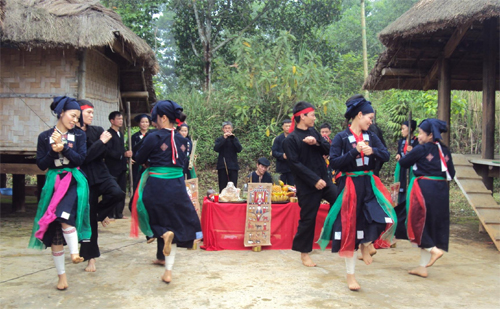
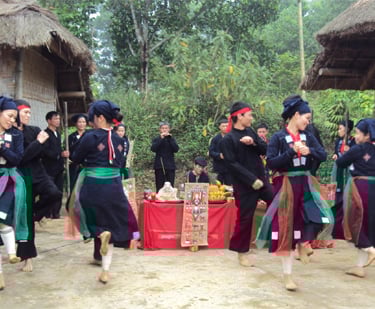
For the international ethnographer, the theologian of folk belief, and the seeker of the nation’s deepest spiritual anchors, the Lễ Hội Cầu Mùa (Agrarian Festivals)—the massive, vibrant, and meticulously scheduled communal celebrations that punctuate the Vietnamese calendar—are far more than mere seasonal entertainment. They are the nation’s supreme, non-negotiable spiritual and social technology—a complex, profound system of collective action designed to negotiate directly with the Thiên Thần (Celestial Gods), the Thổ Địa (Earth Spirits), and the revered ancestors for the ultimate, existential prize: the guaranteed fertility of the rice fields and the prosperity of the communal life. The festival is the single moment where the discipline of daily agrarian labor yields to the necessary chaos of ritual energy, ensuring the continuous regeneration of the entire cosmic and social order.
As specialists in Vietnamese heritage and profound cultural analysis at Vietnam Charm, we embark on an essential, detailed exploration to decode this vibrant spiritual contract. We will meticulously analyze the cosmological mandate that dictates the timing and the sacred necessity of the ritual, the architectural centrality of the Đình Làng as the stage for this divine negotiation, the sociological mandate that transforms individual piety into collective spiritual success, and the profound way these festivals articulate the core national values of sacrificial humility, collective cohesion, and the enduring resilience of faith. Understanding the Agrarian Festivals is essential to grasping the emotional heart and the continuous spiritual rhythm of the Vietnamese wet-rice civilization.
1. The Cosmological Mandate: Water, Fertility, and the Cycle of Cosmic Renewal
The genesis and the profound scheduling of the Agrarian Festivals are rooted in an absolute cosmological mandate: the spiritual and economic necessity of ensuring the timely and benevolent provision of water (nước)—the single, non-negotiable element governing the survival of the wet-rice civilization. The festival is the community's annual moment of cosmic reset and mandated spiritual vigilance.
The timing of the festivals, typically clustered in Xuân (Spring) or Thu (Autumn), is dictated by the rhythms of the rice cycle: Spring festivals (Hội Xuân) seek blessings for planting and rain (cầu mưa), imploring the spirits and the Thần Nước (Water Deities) to ensure a bountiful supply for the initial growth. Autumn festivals (Hội Thu) are acts of profound thanksgiving (tạ ơn) and communal celebration of the achieved harvest, offering the first fruits (lúa mới) back to the spiritual realm in a gesture of humility and gratitude. This cyclical dependency ensures that the community’s spiritual life is perpetually synchronized with the demands of the soil and the sky.
The festival acts as a necessary inversion of the agrarian order. While daily life is defined by individual, disciplined labor, the festival is defined by collective, ritualistic performance. The intense energy, the loud drumming, the vibrant colors, and the temporary breakdown of strict social rules are all crucial tools designed to generate the maximum possible spiritual energy (Khí), ensuring that the offering is sufficiently potent to draw the attention and benevolence of the celestial powers. The entire community collaborates in this spiritual engineering, understanding that collective survival hinges on the success of this ritual negotiation.
2. The Ritual Architecture: The Đình as the Stage of Spiritual Sovereignty
The core of the festival is structured around the Ritual Architecture that centers the negotiation—the Đình Làng (Communal House), which serves as the unquestionable stage of spiritual and political sovereignty for the entire village.
The Đình is the supreme site for the Lễ Tế (Solemn Sacrifice)—the most sacred, formalized act of the festival. This ritual, performed by the Hương Chức (Council of Elders) and the most respected village men, is a meticulously choreographed, powerful appeal to the Thành Hoàng (Tutelary God)—the supreme, local spiritual sovereign who guards the village’s territory and destiny. The ritual involves precise sequencing of prayers, offerings (the head of a sacrificed pig or buffalo, rice wine, incense), and traditional court music (Nhã Nhạc or Hát Cửa Đình) designed to create a moment of absolute spiritual connection. The very air inside the Đình is charged with the historical weight and the solemn purpose of the negotiation.
The transition from the solemn Đình interior to the chaotic Sân Đình (Communal Yard) is essential. Once the sacrifice is complete inside (satisfying the spirits), the energy is released into the yard for the communal Hội (Games and Celebration). The yard becomes the democratic stage where all social strata—men, women, children, and even visitors—participate in the release of energy. The architecture of the festival is thus a perfect journey: from the disciplined silence of negotiation (inside the Đình) to the joyous, cathartic release of unity (outside in the Sân).
3. The Sociological Mandate: Affirmation, Integration, and the Collective Feast
Beyond the spiritual purpose, the Agrarian Festivals fulfill a vital, non-negotiable sociological mandate: they are the necessary, cyclical mechanism for affirming social hierarchy, integrating disparate elements, and renewing the bond of collective unity through the communal feast.
The festival is the moment when the social hierarchy is visibly, ritually reaffirmed. The Council of Elders and the distinguished liền anh/liền chị (singing masters) occupy the most visible, honored positions, their social authority confirmed by their ritual role. Simultaneously, the festival acts as a powerful mechanism for integration. Through the various communal games (trò chơi dân gian—wrestling, human chess, swinging, boat racing), all members of the village, regardless of their daily status (rich or poor, old or young), participate equally in the joy and energy, temporarily dissolving the rigid social constraints of Confucian discipline. The festival is the safety valve that allows the social pressure of the agrarian year to be released constructively.
The climax of this sociological function is the Collective Feast (cỗ cúng or ăn chung). The food and resources offered to the spirits and ancestors (often large quantities of pork, chicken, and rice wine) are then consumed collectively by the entire community. This ritual of shared sustenance is the ultimate affirmation of đoàn kết (unity) and social harmony. By consuming the same blessed food, the community reaffirms its commitment to mutual support and its shared prosperity, ensuring that wealth is always redistributed and transformed into spiritual merit and social capital.
4. The Emotional Canvas: The Lyrical Journey from Awe to Catharsis
The Agrarian Festival takes the participant on a profound emotional journey—a carefully orchestrated lyrical movement from disciplined awe to cathartic joy, mirroring the emotional demands of the agrarian cycle itself.
The initial phase—the Lễ (Ritual)—is marked by disciplined solemnity and deep spiritual awe. The intense focus on the silent, revered actions of the elders and the presence of the spiritual icons forces a sense of humility and fear (kính sợ)—the recognition of the immense, unforgiving power of the unseen forces. This solemnity reflects the deep anxiety and vigilance required during the planting and growing season.
The subsequent phase—the Hội (Celebration)—is marked by uninhibited, liberating joy and cathartic release. The communal games, the folk singing (Quan Họ, Hát Xoan), and the consumption of blessed food allow the collective fear and anxiety of the preceding year to be released through shared laughter, competition, and immense social energy. The chaos is intentional and restorative. The festival asserts a crucial psychological truth: the human spirit must engage in periodic, intense bursts of collective joy to maintain the necessary fortitude and emotional reserve required for the disciplined labor of the ensuing year. The festival is the nation's annual, vibrant, public declaration that life and spirit are eternally stronger than hardship and fear.
5. Conclusion: The Permanent Testament to Collective Faith
The Lễ Hội Cầu Mùa (Agrarian Festivals) are the ultimate, enduring, and most vibrant testament to the Vietnamese spirit's profound spiritual discipline, collective cohesion, and commitment to environmental harmony. They are a complex social technology that transforms the necessity of agrarian survival into a profound annual spiritual ritual. By analyzing the cosmological mandate for water and fertility, the architectural centrality of the Đình as the stage of negotiation, the sociological mandate of affirming hierarchy and communal unity through the shared feast, and the lyrical emotional journey from awe to catharsis, the observer gains access to a core, luminous truth: the festival is far more than a celebration. It is the permanent, unwavering contract with the cosmos—a powerful, sensory declaration that asserts the cultural value of disciplined humility, collective action, and the belief that the nation's fate is eternally secured by the sincere, unified, and powerful faith of its people.
We are on social media
Vietnam Charm belongs to Vietpearl Travel., JSC
Contact:
Email: info@vietnamcharm.top
© 2026. by Vietnam Charm. All rights reserved
Travel license number: 01-827/2020
Refund Policy