Giảm giá hấp dẫn cho tour du lịch!

THE EMOTIONAL STAGE: CẢI LƯƠNG — A FUSION OF LYRICAL PASSION, SOCIAL CRITIQUE, AND THE POPULAR HEART OF SOUTHERN VIETNAMESE THEATRE
More than memory: exploring Cúng Tổ Tiên as the supreme, non-negotiable spiritual and ethical foundation of Vietnamese life, analyzing the ritual as a continuous dialogue with the past, a guarantor of moral continuity, and the bedrock of familial identity.
HERITAGE & SPIRITLOCAL EXPERIENCESVIETNAMESE CULTURETHE SOUNDSCAPE
Tobin Nguyen
11/6/20255 phút đọc
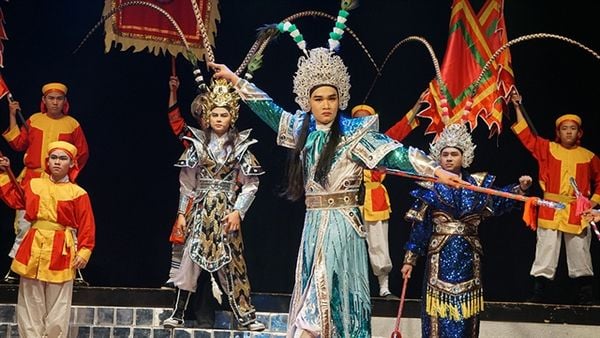
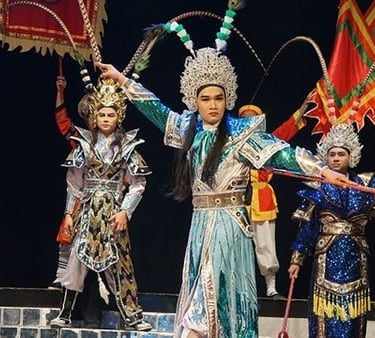
For the international audience, the Cải Lương (Reformed Opera) stage presents a vibrant, compelling spectacle—a fusion of intense dramatic narrative, elaborate costuming, stylized movement, and the deeply expressive, resonant singing derived from the Southern tradition. Cải Lương is far more than a simple regional theater; it is the nation's premier modern dramatic art form, a powerful, popular medium that tells the story of Việt Nam’s modern history, its romantic idealism, and its complex social morality. Its name, literally meaning "reformed theater," embodies its core philosophy: a continuous, disciplined effort to reform the structure of the arts while utilizing the deep, accessible emotional language of traditional Southern music.
As specialists in Vietnamese heritage and profound cultural analysis at Vietnam Charm, we embark on an essential, detailed exploration to decode this dramatic tradition. We will meticulously analyze the historical mandate that birthed the "reformation," the structural genius of its musical fusion (integrating Đờn Ca Tài Tử with modern composition), the sociological power of its accessibility and popularity, and the profound way Cải Lương articulates the core Southern values of emotional honesty, romantic idealism, and the belief in the theater's capacity for profound social critique. Understanding Cải Lương is essential to grasping the emotional landscape and the popular artistic spirit of Southern Vietnamese culture.
1. The Historical Mandate: From Amateur Music to Professional Stage
The genesis of Cải Lương is rooted in a cultural mandate of innovation and modernization that swept Southern Vietnamese arts in the early 20th century. It represents a deliberate break from the rigid, stylized formalism of the Northern and Central court arts.
Cải Lương evolved directly out of the Đờn Ca Tài Tử (Amateur Chamber Music) tradition of the Mekong Delta. As Southern society urbanized and modernized under French influence, the intimate, spontaneous music of Tài Tử needed a structure to accommodate larger, narrative-driven performances for a growing public audience. The key moment occurred around the 1910s and 1920s, when artists began to adapt the improvisational melodies of Tài Tử—especially the melancholic Hơi Oán (Lament Mode)—and fuse them with elements borrowed from Western dramatic structure, such as modern staging techniques, structured plots, and the incorporation of spoken dialogue. This fusion created a new, compelling form of theater that was immediately accessible and emotionally honest.
The name Cải Lương—"Reformed/Improved Theater"—was a conscious declaration of intent: to retain the emotional soul of traditional music while embracing the structural efficiency and narrative depth of modern drama. The new form quickly became the dominant, democratic entertainment of the South, thriving in urban centers like Sài Gòn, precisely because its music was already familiar and deeply loved by the common people. This accessibility, coupled with its focus on modern, relatable social and emotional themes, ensured its rapid ascent as the nation's most popular theatrical art.
2. The Structural Genius: Musical Fusion and the Vọng Cổ Heart
The structural genius of Cải Lương lies in its sophisticated musical fusion, creating a unique aural landscape that blends spontaneous tradition with formalized Western harmony, all anchored by its most iconic composition, the Vọng Cổ.
Cải Lương performances utilize a complex orchestral arrangement that reflects its hybrid identity. The orchestra blends traditional Vietnamese instruments (the expressive Đàn Kìm, the shimmering Đàn Tranh, and the unique Đàn Gáo or coconut fiddle) with Western instruments like the violin, guitar (often played in a unique, micro-tonal style), and saxophone. This blend allows the music to transition seamlessly between the highly formalized, ancient Vietnamese scales and the richer, more structured harmonies needed for Western-style dramatic overtures and background scores.
The absolute, emotional heart of Cải Lương is the Vọng Cổ (Nostalgia for the Past) melody. Originally a simple lament, Vọng Cổ evolved into a long, complex, highly ornamental vocal aria. The performer sings the Vọng Cổ with intense, personal expression, stretching and decorating the notes, allowing the piece to express deep sorrow, profound love, or ultimate philosophical reflection. The audience is often brought to tears by the singer's control and emotional sincerity during these arias. The Vọng Cổ serves as the emotional climax of the drama, the moment when the structured plot pauses for the character's deepest, most honest feeling to be expressed through the pure, lyrical language of the South. Its popularity is so immense that it is widely considered the "National Anthem of the South", providing a constant, stable emotional anchor for the entire genre.
3. The Narrative Power: Melodrama, Morality, and Social Critique
The thematic strength of Cải Lương lies in its narrative power—its ability to address profound historical tragedies, romantic melodramas, and contemporary social critique with accessibility and emotional clarity. The stage became the nation's most powerful platform for public discussion of morality.
The repertoire of Cải Lương is vast, covering three major thematic areas:
Historical and Heroic Epics: Plays based on ancient legends, imperial history, and historical figures (such as the Trưng Sisters or the legendary battles of the past). These plays serve a vital pedagogical function, reinforcing national pride, ancestral memory, and the themes of sacrifice and unity.
Romantic and Moral Melodramas: The most popular themes—plays centered on family conflict, star-crossed lovers, the pain of war, and the struggle between duty (Hiếu) and passion. These plots speak directly to the emotional and social struggles of the common people, offering cathartic emotional release and serving as a mirror for contemporary moral debates, particularly those surrounding generational conflict and filial duty.
Social and Political Critique: Plays that subtly or directly criticize corruption, social injustice, or bureaucratic inefficiency. The stylized nature of Cải Lương allowed performers to address sensitive public issues through the safe, traditional language of allegorical drama and emotional song, functioning as a vital valve for public dissent and moral questioning.
The stage, with its ability to combine historical grandeur, intense personal emotion, and easily understood music, ensured that these complex themes were made accessible to the broadest possible popular audience.
4. The Sociological Role: Popularity, Accessibility, and the Democratic Stage
Cải Lương secured its status as a premier art form through its deep sociological accessibility and its commitment to the democratic voice of the common person, making it the theater of the masses.
Unlike the highly disciplined, closed art of Ca Trù or the state-mandated ritual of Nhã Nhạc, Cải Lương utilized music (the Vọng Cổ) that was already part of the popular emotional repertoire, ensuring immediate resonance. The performers were seen as popular idols, capable of moving audiences to tears with their raw, unvarnished emotional delivery, fostering a deep, personal connection between the artist and the audience.
Furthermore, the structure of the Cải Lương troupe was inherently mobile and democratic. Troupes traveled extensively across the Mekong Delta, performing in small villages, market squares, and temporary stages. This mobility ensured that the theater reached the rural populace, making high-quality, emotionally rich, and culturally relevant performance art accessible to everyone, regardless of their geographical isolation or economic status. This traveling tradition cemented Cải Lương as the unquestionable voice of the Southern people—a lyrical expression of their shared history and their fierce emotional independence.
5. Conclusion: The Permanent Heartbeat of Southern Emotion
Cải Lương is the ultimate, enduring dramatic achievement of modern Vietnamese culture. It is an art form that transforms the spontaneous intimacy of folk music into a grand, narrative-driven spectacle of history and emotion. By analyzing its mandate of artistic reform, the structural genius of its musical fusion (especially the enduring power of the Vọng Cổ), its reliance on melodrama for public social critique, and its profound sociological accessibility, the observer gains access to a core truth: Cải Lương is far more than popular theater. It is the permanent, unwavering heartbeat of Southern emotion—a lyrical, powerful, and democratic declaration that asserts the cultural value of passionate expression, social justice, and the belief that the deepest truths of the human condition are best understood and collectively processed through the shared, resonant language of song and dramatic narrative. The stage remains the most honest mirror of the Southern soul.
We are on social media
Vietnam Charm belongs to Vietpearl Travel., JSC
Contact:
Email: info@vietnamcharm.top
© 2026. by Vietnam Charm. All rights reserved
Travel license number: 01-827/2020
Refund Policy