Giảm giá hấp dẫn cho tour du lịch!



THE HISTORICAL MAP: DECODING STREET NAMES — HOW CITIES CHRONICLE HEROES, DYNASTIES, AND NATIONAL IDENTITY
More than navigation: exploring the profound political, historical, and ethical significance of Vietnamese street names, analyzing how the urban grid functions as a continuous, compulsory public history lesson and a statement of national sovereignty.
LOCAL EXPERIENCESVIETNAMESE CULTUREURBAN & DAILY LIFE
Tobin Nguyen
11/6/20255 phút đọc
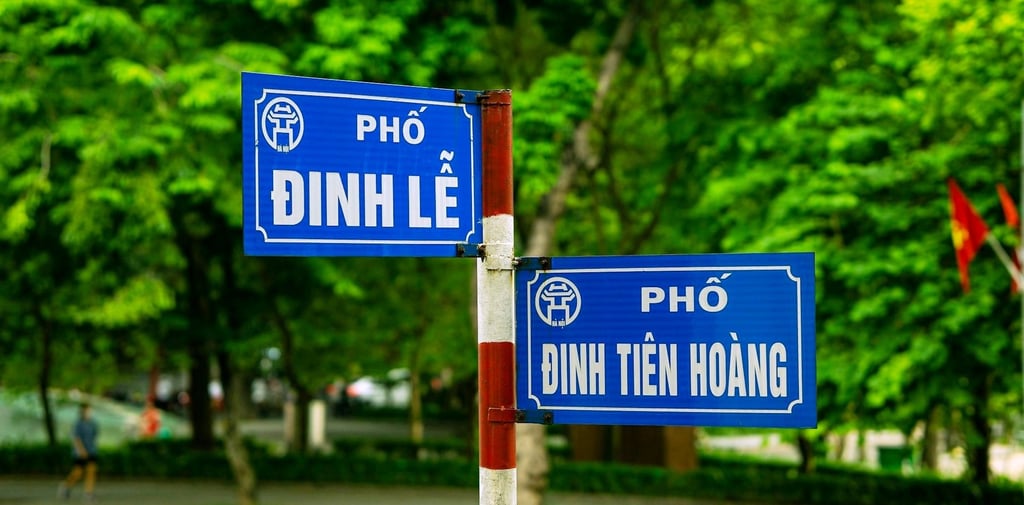
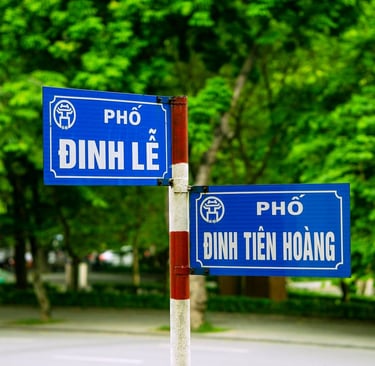
For the international visitor, navigating a Vietnamese city—be it the complex grid of Hà Nội or the sprawling avenues of Ho Chi Minh City—requires more than just following directions. Every street sign is a deliberate historical marker, an unyielding public history lesson, and a profound statement of national ideology. The street name is not arbitrary; it is a codified cultural text that chronicles the nation's heroes, its spiritual founders, its defining moments of military resistance, and its philosophical commitment to moral virtues. The urban streetscape functions as a compulsory, continuous, open-air monument to the collective memory.
As specialists in Vietnamese heritage and profound cultural analysis at Vietnam Charm, we embark on an essential, detailed exploration to decode this urban cartography. We will meticulously analyze the political and pedagogical function of street naming, the hierarchy of historical figures celebrated on the urban grid, the sociological significance of the street name as a tool for uniting past and present, and the profound way this naming system articulates the enduring values of patriotism, sacrifice, and the absolute priority of the national narrative. Understanding the history of street names is essential to grasping the core ethical and historical foundation upon which the modern Vietnamese metropolis is built.
1. The Political and Pedagogical Mandate: History as Public Space
The practice of officially naming streets in Việt Nam is fundamentally a political and pedagogical act—a conscious effort by the state to shape public memory, reinforce national unity, and instruct citizens on the hierarchy of historical importance. Street naming is, therefore, a tool of cultural sovereignty.
The process began in earnest during and after the colonial period, where the deliberate renaming of French colonial streets (such as Rue Catinat becoming Đồng Khởi) served as a powerful, symbolic act of reclaiming national space and restoring historical dignity. Replacing the names of colonial figures with names of national heroes or pivotal historical dates transformed the physical environment into a daily affirmation of independence and hard-won sovereignty. The street sign is thus a continuous, compulsory history textbook. Every time a citizen navigates the city, they are reminded of the sacrifices and achievements that define the nation.
This pedagogical mandate creates a clear historical hierarchy within the urban grid. The broadest, most central, and most commercially vital avenues are reserved for the nation's most paramount figures: Hồ Chí Minh (the revolutionary founder) and often Lê Duẩn or Tôn Đức Thắng. Secondary, but equally important, streets honor military heroes, cultural icons, or specific, pivotal dates (such as 30/4—Reunification Day). The physical positioning of the street name reflects the figure's political and spiritual stature in the national narrative.
2. The Pantheon of the Pavement: Decoding the Hierarchy of Heroes
Vietnamese street names draw from a deep, diverse, and carefully curated historical pantheon, ensuring that the urban map celebrates the entire spectrum of national achievement—from mythical founders and ancient warrior queens to modern revolutionary leaders.
The most powerful category of street names honors the Ancestral and Mythical Founders. Figures like Lý Thường Kiệt (the 11th-century general who defeated the Song Dynasty), the Hai Bà Trưng (Trưng Sisters), and Bà Triệu (ancient warrior queens who resisted Chinese domination) are celebrated on prominent avenues. Naming streets after these figures affirms the nation's long, continuous history of independence and emphasizes the spiritual debt owed to the original heroes who established the political boundaries. These names remind the citizen that their struggle is rooted in a thousand-year tradition of resistance.
Another critical category honors Cultural and Ethical Exemplars. Streets are frequently named after great poets, scholars, and moral philosophers (Nguyễn Du, Nguyễn Trãi, Lê Quý Đôn) or after core Confucian virtues (Hiếu, Nghĩa). These streets serve a moral function, reminding citizens that the nation's strength is based not only on military power but on intellectual refinement and ethical conduct. By placing a moral virtue on a commercial street, the city subtly asserts that business and daily life must be governed by ethical standards.
The diversity of this pantheon is crucial. It ensures that the historical narrative is complete, celebrating not just political leaders but also the poets, the scholars, the women warriors, and the quiet founders who collectively shaped the national identity.
3. The Colonial and Post-Colonial Layers: Erasure and Reclamation
The history of street naming is a history of political power and reclamation, visually chronicling the shift in sovereignty over the 20th century.
During the French colonial period, streets were primarily named after French colonial figures (Paul Doumer, Catinat) or symbols of the colonial project. The post-colonial era necessitated a mass erasure and reclamation of these public spaces. This renaming process was not merely cosmetic; it was a profound, spiritual act of decolonization—physically removing the names of the oppressors and replacing them with the names of the national saviors. The moment Rue Catinat became Đồng Khởi (General Uprising) in Sài Gòn symbolized the ultimate victory of the Vietnamese spirit over foreign rule. The street itself became a monument to the spirit of national self-determination.
The sequencing of the names also tells a story of urban planning and political intent. Streets built during the colonial era often retain the wide, straight lines of Western planning (now bearing Vietnamese names), while the older, narrow, organically developed streets of the Phố Cổ (Old Quarter) often retain their original, highly functional names based on guilds and crafts (Hàng Bạc, Hàng Gai). This visual contrast in the naming system allows the citizen to read the city's complex history simply by observing the signposts. The juxtaposition of the two systems reveals the continuous negotiation between the chaos of indigenous tradition and the order of colonial planning.
4. The Sociological Function: Orientation, Identity, and the Sense of Place
Beyond the historical and political function, the street name system serves a vital sociological purpose, providing necessary orientation and anchoring the identity of the urban dweller.
In the complex, dense urban environment, the street name is the primary tool for fixing personal identity and location. The resident's identity is often publicly defined by the intersection or specific section of the street where they live or conduct business ("Tôi ở phố Hàng Bạc"). This local identification fosters a profound sense of place (địa lý cảm xúc) and communal identity. The street name is their neighborhood's brand.
Furthermore, the simplicity and familiarity of the naming system (often named after a single figure or commodity) provides a necessary cognitive anchor in the fast-moving, chaotic urban flow. Unlike the complicated, multi-directional signage of some Western cities, the Vietnamese street sign is direct, singular, and historical, ensuring that even a migrant newly arrived from the rural quê hương can quickly assimilate the urban map based on names already familiar from national history lessons. The street map acts as a social equalizer and a tool for immediate, widespread assimilation.
5. Conclusion: The Unwavering Chronicle of the Nation
Vietnamese street names are the nation's most pervasive, democratic, and unwavering chronicle of its history. The urban grid is transformed from a simple network of asphalt and concrete into a sacred monument to the collective memory. By decoding the hierarchy of heroes, the strategic erasure of colonial names, and the pedagogical mandate of the street sign, the observer gains access to the profound truth: the history of Việt Nam is not confined to museums; it is continuously, powerfully, and compulsorily inscribed upon the public space. Every journey is a reminder of the sacrifices, the ethical duties, and the sheer historical depth required to sustain the sovereignty of the nation.
We are on social media
Vietnam Charm belongs to Vietpearl Travel., JSC
Contact:
Email: info@vietnamcharm.top
© 2026. by Vietnam Charm. All rights reserved
Travel license number: 01-827/2020
Refund Policy