Giảm giá hấp dẫn cho tour du lịch!



THE INNER JOURNEY: MEDITATION AND VIETNAMESE YOGA — DECODING STILLNESS, MINDFULNESS, AND THE QUIET SPIRITUAL DISCIPLINES OF INNER CULTIVATION
More than practice: exploring Thiền và Yoga Việt (Vietnamese Meditation and Yoga) as the nation’s ultimate psychological technology for inner peace, analyzing the profound discipline of stillness (Thiền), the role of mindfulness (chánh niệm) in daily life, and its embodiment of spiritual resilience and absolute self-cultivation.
VIETNAMESE CULTUREHEALTH & WELLNESSLOCAL EXPERIENCES
Tobin Nguyen
11/8/20255 phút đọc
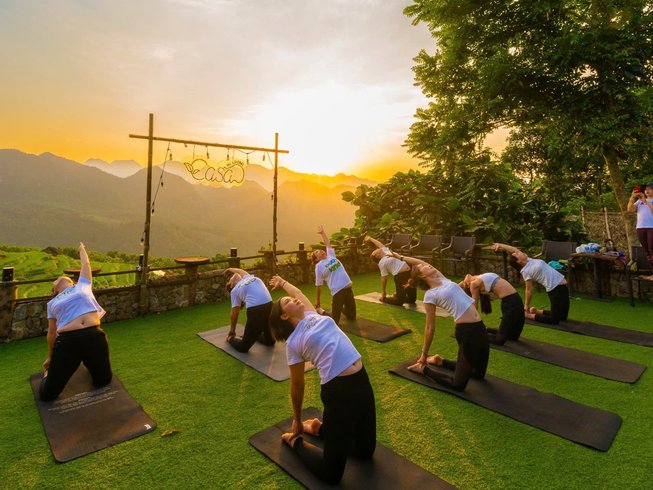
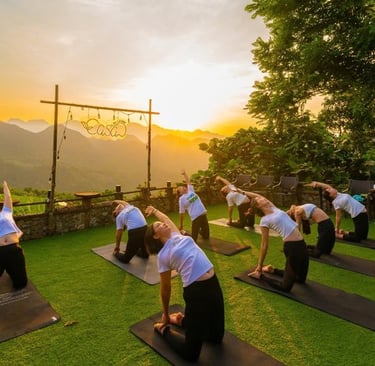
For the international psychologist, the seeker of spiritual resilience, and the student of inner energy, Vietnamese Meditation (Thiền) and Yoga are not merely imported practices; they are deeply indigenized, continuous expressions of the nation’s spiritual commitment to finding clarity, strength, and ethical purpose in a world defined by chaos. Rooted in the millennia-old tradition of Thiền Tông (Zen Buddhism), this practice asserts a profound, moral truth: true, lasting power resides not in external control, but in the disciplined mastery of the internal self. The pursuit of tĩnh tâm (spiritual stillness) through breath and disciplined posture transforms the body and mind into the ultimate sanctuary, making the self the final, non-negotiable frontier of freedom.
As specialists in Vietnamese heritage and profound cultural analysis at Vietnam Charm, we embark on an essential, detailed exploration to decode this intimate, profound spiritual philosophy. We will meticulously analyze the historical mandate that embedded Thiền into the national psyche, the structural genius of the practices in harmonizing Khí (Life Force) and Tâm (Mind), the pedagogical role of mindfulness in navigating daily life's turbulence, and the profound way these disciplines articulate the core national values of self-mastery, compassionate patience, and the unyielding resilience of the inner spirit. Understanding these inner journeys is essential to grasping the spiritual integrity and the enduring quest for profound peace that underpins Vietnamese wellness.
1. The Historical Mandate: Thiền Tông and the Ancestral Code of Stillness
The genesis and the profound prevalence of Thiền (Meditation) are rooted in a clear historical and spiritual mandate: the continuous, deep integration of Thiền Tông (Zen Buddhism) into the very fabric of Vietnamese political and cultural life, establishing inner stillness as an essential national virtue.
Thiền Tông arrived in Việt Nam early and was historically embraced by powerful emperors (notably the Trần Dynasty and the Trúc Lâm Zen School), who asserted that political and military wisdom was inseparable from spiritual discipline and profound introspection. This tradition consecrated meditation not as a monastic luxury, but as a necessary tool for effective leadership and moral clarity. The discipline of sitting (tọa thiền) became the ultimate psychological technology for maintaining composure and ethical focus amidst the immense external pressures of governing and warfare.
This historical mandate ensured that Tâm (Mind) and Tâm Hồn (Soul) became the ultimate sanctuaries of national identity. The act of cultivating tĩnh tâm (spiritual stillness)—the quiet, disciplined practice of clearing mental noise—was elevated to a civic and spiritual duty. It guaranteed that the individual, despite external chaos (war, economic instability), possessed an internal anchor of unwavering resilience. The quiet discipline of meditation is the silent, ongoing covenant with the ancestral emperors, affirming that the nation's true strength resides in the unshakeable stillness of its people's minds.
2. The Structural Genius: Harmonizing Khí, Tâm, and the Disciplined Breath
The structural genius of Vietnamese Inner Disciplines (Meditation and its physical correlates in Yoga/martial arts) lies in the meticulous methodology for harmonizing Khí (Life Force) and Tâm (Mind) through the disciplined, conscious control of Hơi Thở (Breath).
The Breath as the Bridge: In TVM and Thiền philosophy, the Breath is the direct, physical bridge linking the ephemeral mind to the physical body and the source of Khí. Chánh Niệm (Mindfulness) is perpetually anchored in the act of quán hơi thở (observing the breath)—not controlling it aggressively, but gently observing its natural, rhythmic flow. This simple, disciplined observation forces the mind to relinquish its attachment to external thoughts, anchoring consciousness firmly in the present moment, which is the only moment where true stillness resides.
Khí Công (Cultivating Energy): The physical practices (often integrated movements, gentle postures, and meditative walking) are designed to ensure the smooth, unobstructed flow of Khí throughout the Kinh Mạch (Meridians). Stagnation of energy is seen as the precursor to both physical disease and mental turbulence. The movements and postures are never aggressive; they are fluid, deliberate, and rooted in gentleness, compelling the body to become a flexible, open conduit for life energy. The harmonization of Khí (the energy) and Tâm (the mind) guarantees a state of holistic thân tâm an lạc (peace in body and mind).
3. The Pedagogical Role: Chánh Niệm and the Practice of Daily Life
Chánh Niệm (Mindfulness), the core pedagogical principle of Vietnamese Thiền, transcends the formal sitting practice to assume a vital sociological role: transforming every mundane, chaotic moment of daily life into an active opportunity for spiritual cultivation and ethical conduct.
Mindfulness in Action: The discipline of mindfulness is not limited to the formal meditation cushion; it is the constant, gentle practice of being fully present and ethically aware while engaged in labor, conversation, or enduring hardship. For the farmer, mindfulness is the precise, repetitive rhythm of planting the rice seedling or tending the field, transforming the labor into a form of moving meditation. For the urban professional, it is the disciplined patience of navigating the chaotic flow of traffic without allowing the external stress to ignite internal anger.
The Ethical Imperative: This practice of Chánh Niệm is fundamentally an ethical imperative. By observing the mind's reactivity without judgment, the individual gains the necessary spiritual distance to respond to life's challenges with Từ Bi (Compassion) and Trí Tuệ (Wisdom), rather than anger or fear. The discipline of the inner journey ensures that the spiritual cultivation translates directly into improved conduct and greater emotional resilience in the external, collective world. The inner journey is never selfish; it is the ultimate, necessary preparation for moral excellence in society.
4. The Physical and Spiritual Synthesis: Vietnamese Yoga and Energetic Movement
The physical aspects of the discipline—often synthesized with elements of Yoga, Khí Công, and internal martial arts—represent a unique Vietnamese synthesis focused on flexibility, internal strength, and the slow, disciplined mastery of physical space.
Võ Thuật Cổ Truyền (Traditional Martial Arts) and Khí Công informed the development of physical practices that emphasize Tâm Pháp (Mind Method) over external physical aggression. Movements are typically fluid, circular, and slow, designed not for rapid external display, but for deep, internal engagement with the muscles, breath, and energy points. The physical posture is seen as a direct reflection of the inner spiritual state. Stiffness in the body reflects stiffness in the mind; therefore, the pursuit of physical flexibility is inseparable from the pursuit of mental openness and adaptability.
The ultimate physical manifestation of this philosophy is often seen in the Văn Hóa Dưỡng Sinh (Longevity Culture) practiced publicly in parks—gentle, synchronized movements performed at dawn. These practices are a visible, collective declaration that wellness is an active, communal, and disciplined pursuit, ensuring that the body remains a pliable, respectful vessel for the enduring, unshakeable spirit.
5. Conclusion: The Permanent Testament to Inner Resilience
Vietnamese Meditation and Inner Disciplines are the ultimate, enduring, and profound testament to the nation's capacity for spiritual introspection, disciplined self-mastery, and unyielding inner resilience. They transform the chaos of the external world into a continuous, disciplined laboratory for peace. By analyzing the historical mandate that embedded Thiền into the national psyche, the structural genius of harmonizing Khí and Tâm through the breath, the pedagogical role of Chánh Niệm in guiding ethical conduct, and the physical synthesis of movement and flexibility, the observer gains access to a core, luminous truth: the inner journey is far more than practice. It is the permanent, unwavering declaration of spiritual freedom—a powerful, quiet assertion that asserts the cultural value of disciplined stillness, compassionate wisdom, and the belief that the purest, most resilient form of power is continuously achieved through the patient, relentless, and disciplined cultivation of the unshakeable self.
We are on social media
Vietnam Charm belongs to Vietpearl Travel., JSC
Contact:
Email: info@vietnamcharm.top
© 2026. by Vietnam Charm. All rights reserved
Travel license number: 01-827/2020
Refund Policy