Giảm giá hấp dẫn cho tour du lịch!


THE ISLAND OF MEMORY: CÔN ĐẢO — DECODING THE PRISON HISTORY, SPIRITUAL PILGRIMAGE, AND THE PRICE OF UNYIELDING FREEDOM
More than islands: exploring Quần Đảo Côn Đảo (Côn Đảo Archipelago) as Việt Nam’s ultimate geographical and psychological monument to human suffering and resilience, analyzing its function as a living, sacred archive of sacrifice, its transformation into a spiritual pilgrimage site, and its embodiment of the nation's unyielding, absolute commitment to liberation.
VIETNAMESE CULTURELOCAL EXPERIENCESRESILIENCE & MEMORY
Tobin Nguyen
11/8/20255 phút đọc
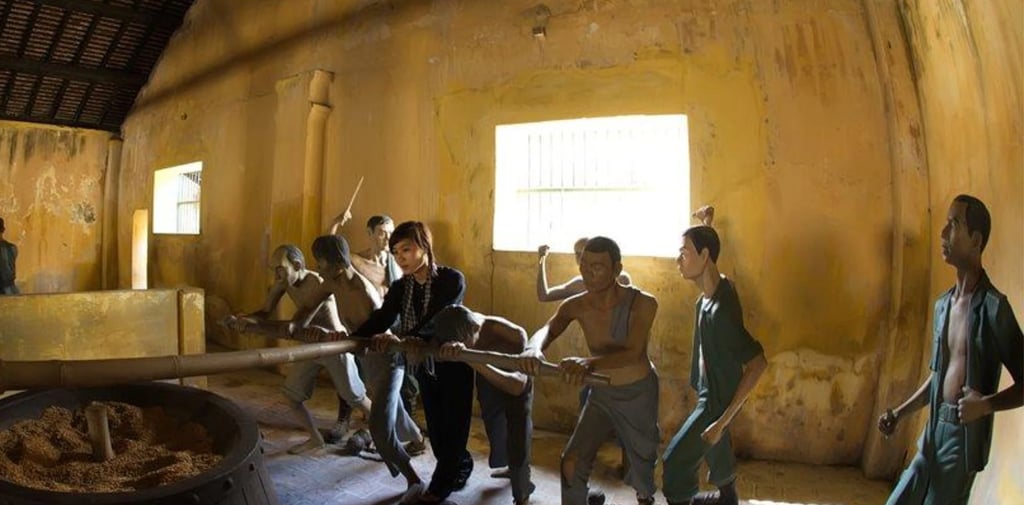
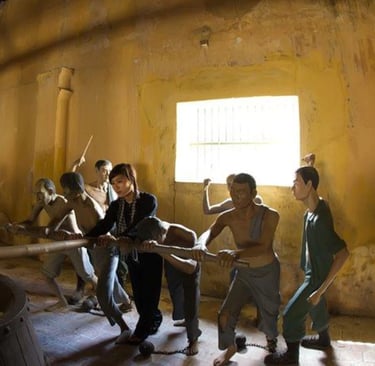
For the international human rights advocate, the historian of penal systems, and the seeker of profound spiritual transcendence, Côn Đảo—a remote, beautiful archipelago off the Southern coast—is not merely a pristine natural reserve. It is the nation's most intense, devastating, and sacred archive of human endurance—the geographical and spiritual location where the most brutal forms of colonial and political oppression were concentrated. For 113 years, Côn Đảo functioned as a living hell—a relentless, geographically isolated laboratory designed for the physical and psychological annihilation of political dissidents. Yet, paradoxically, the island's supreme suffering transformed it into the ultimate forge of the revolutionary will, a silent, beautiful testament to the unquenchable fire of the human spirit.
As specialists in Vietnamese heritage and profound cultural analysis at Vietnam Charm, we embark on an essential, detailed exploration to decode this archive of immense pain and luminous defiance. We will meticulously analyze the architectural mandate that engineered the prison system for maximum brutality, the psychological alchemy that transformed suffering into spiritual and political resistance, the sacred ritual of the contemporary pilgrimage to the Tomb of Võ Thị Sáu, and the profound way this island articulates the core national values of unyielding defiance, sacrificial purity, and the absolute moral clarity of freedom. Understanding Côn Đảo is essential to grasping the emotional depth and the moral integrity that defined the highest price paid for the nation’s sovereignty.
1. The Architectural Mandate: Isolation, Annihilation, and the Tiger Cages
The physical and psychological identity of Côn Đảo is defined by the architectural mandate of cruelty—a colonial system designed for the isolation and systematic, protracted annihilation of political life, utilizing the island’s remoteness as the ultimate weapon.
Côn Đảo was selected by the French colonial regime in 1862 precisely for its extreme geographical isolation and logistical difficulty, ensuring that any communication, escape, or outside interference was virtually impossible. The penal system, including prisons like Phú Hải and Phú Sơn, was deliberately engineered to induce physical decay and profound psychological despair. The architecture was cold, rigid, and centered on the principle of maximum security and minimum human dignity.
The enduring symbol of this cruelty is the chuồng cọp (Tiger Cages)—a shocking architectural innovation of compressed, low-roofed, narrow concrete pits where prisoners were shackled, left exposed to the elements, and physically tortured from above by guards. The Tiger Cages were not designed merely to hold; they were designed to crush the physical form and extinguish the spiritual will through sensory deprivation, intense confinement, and constant, agonizing abuse. This specific architecture of cruelty cemented Côn Đảo’s role as a place where human rights were deliberately, scientifically annulled. The very stone of the island became a silent witness to the most profound violations of human dignity.
2. The Psychological Alchemy: Transforming Suffering into Spiritual Resistance
The most extraordinary, profound aspect of Côn Đảo’s history is the psychological and spiritual alchemy that occurred within its walls: the very suffering intended to destroy the human spirit became the catalyst for an unshakeable revolutionary and spiritual resistance.
The political prisoners—who included future national leaders, intellectuals, and young patriots—systematically resisted the isolation and degradation. The shared, continuous suffering established an unbreakable collective covenant of loyalty and defiance. The prisoners transformed the cold cells into clandestine universities, organizing secret political education, maintaining ideological clarity, and writing literature on tiny scraps of fabric or paper, often buried in the earth. The constant risk of exposure elevated every act of communication into a sacred, high-stakes ritual of political fidelity.
This collective, disciplined resistance imbued the island with a unique spiritual power. The prisoners used their suffering as a tool for moral elevation, practicing self-control, caring for the sick, and maintaining human dignity under conditions engineered for dehumanization. This ability to maintain spiritual integrity under the most brutal physical duress transformed the island from a colonial prison into the ultimate spiritual forge of the national will. The resistance proved that even when the body is utterly defeated, the political and spiritual will remains fiercely, absolutely free.
3. The Sacred Ritual: The Pilgrimage to the Tomb of Võ Thị Sáu
The contemporary memory of Côn Đảo is defined by a deep spiritual and civic ritual—the pilgrimage to the Tomb of Võ Thị Sáu and the cemeteries, which transform the island from a site of pain into a sacred sanctuary of patriotic martyrdom.
Võ Thị Sáu (a young female resistance fighter executed on the island in 1952) is the ultimate, luminous symbol of sacrificial purity, youthful defiance, and spiritual immortality. Her tomb in the Hàng Dương Cemetery is the primary focal point of the contemporary pilgrimage. The ritual is unique: visitors (often arriving late at night or very early morning) bring offerings, pray, and make solemn vows, seeking the spiritual strength and political purity she represents. The reverence for her sacrifice elevates the memory beyond political ideology; she is seen as a sacred, uncorrupted embodiment of the nation's spiritual strength.
The Hàng Dương Cemetery, the vast, quiet resting place of thousands of unrecovered or unidentifiable political prisoners, is the sacred ground of collective sacrifice. The pilgrimage to this site is a profound, non-negotiable act of national lễ tri ân (gratitude and remembrance). The entire island is consecrated by this immense memory, ensuring that every visitor physically engages with the painful, foundational cost of the nation's current freedom. The journey to Côn Đảo is thus a deliberate, necessary confrontation with the past, seeking to absorb the spiritual fortitude of those who gave everything.
4. The Geopolitical and Ethical Duality: Beauty and Brutality
Côn Đảo presents a striking, intense geopolitical and ethical duality: the island’s breathtaking, isolated natural beauty exists in profound, jarring juxtaposition with the extreme brutality of its penal history.
The archipelago is a place of sublime natural contradiction: pristine beaches, dense, green mountain forests, and clear, turquoise waters—an environment that should signify paradise and tranquility. This intense natural beauty serves as a perpetual, painful counterpoint to the deliberate, human-engineered suffering of the prisons. The duality forces a deep ethical contemplation: the island’s physical reality mirrors the complex, contradictory nature of the human soul—capable of creating both immense, luminous beauty and systematic, profound cruelty.
This duality ensures that the island's memory remains active and essential. The beauty is a constant reminder of the peace and freedom that the martyrs died to secure, while the preserved ruins of the Tiger Cages and prison walls are the necessary, unblinking testimony to the cost. The contemporary mandate is to honor both truths: to appreciate the natural sanctuary while never, for a single moment, forgetting the immense suffering that consecrated its soil. The island is thus a perpetual moral sentinel for the nation.
5. Conclusion: The Eternal Fire of Unquenched Freedom
Quần Đảo Côn Đảo is the ultimate, enduring, and heartbreaking monument to human suffering, profound resilience, and the absolute morality of the fight for freedom. It is a geographically isolated sanctuary that was transformed into the ultimate forge of the national will. By analyzing the cold architectural mandate of cruelty, the psychological alchemy that forged revolutionary resistance, the sacred spiritual ritual of the pilgrimage to the martyrs' tombs, and the island's intense geopolitical and ethical duality, the observer gains access to a core, luminous truth: Côn Đảo is far more than history. It is the permanent, unwavering testimony to the absolute purity of sacrifice—a powerful, structural declaration that asserts the cultural value of disciplined defiance, spiritual integrity, and the belief that the moral courage of a unified people can transform the deepest darkness into the eternal fire of unquenched freedom. The island's beauty is the final, ultimate testament to the price of peace.
We are on social media
Vietnam Charm belongs to Vietpearl Travel., JSC
Contact:
Email: info@vietnamcharm.top
© 2026. by Vietnam Charm. All rights reserved
Travel license number: 01-827/2020
Refund Policy