Giảm giá hấp dẫn cho tour du lịch!


THE LOST HEART: LÙNG CÚNG — DECODING ISOLATION, PRIMEVAL BAMBOO FOREST, AND THE PHILOSOPHY OF SELF-RELIANCE IN TRUE WILDERNESS
More than a peak: exploring Lùng Cúng Massif (2,913m) as Việt Nam’s ultimate archive of isolation and psychological frontier, analyzing the profound challenge of the Absence of Trail, the labyrinthine beauty of the Primeval Bamboo Forest, and the embodiment of disciplined self-reliance in true wilderness.
VIETNAMESE CULTURELOCAL EXPERIENCESVIETNAM'S VERTICAL SOUL
Tobin Nguyen
11/8/20255 phút đọc
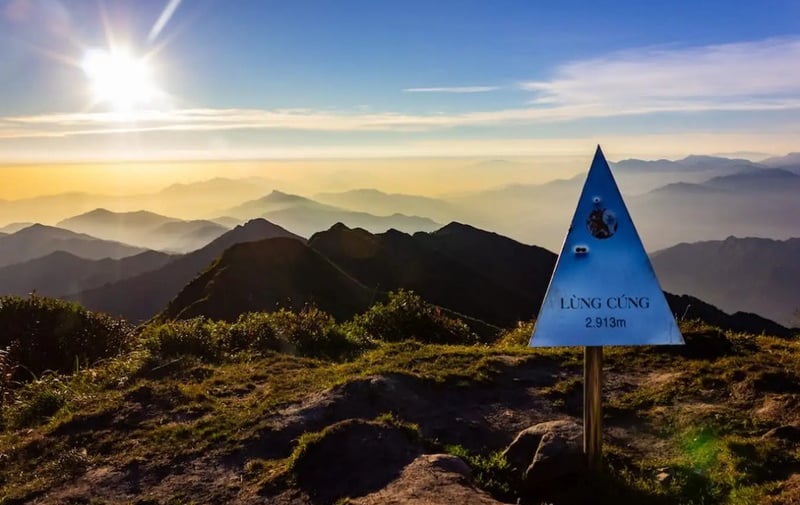
For the veteran solitude seeker, the dedicated explorer who rejects the well-worn path, and the observer who understands that true peace is found only in the deepest, most difficult-to-reach places, Lùng Cúng—a remote, towering, and challenging peak deep within Yên Bái Province—is not merely another altitude mark. It is the nation’s most explicit, intentional sanctuary of isolation and the non-negotiable test of the human spirit against the chaos of the untamed, trackless environment. The experience of trekking here asserts an ultimate, non-negotiable truth: survival is a function of pure self-reliance, the greatest views demand absolute solitude, and the path to mastery is built on the ability to move without relying on the structures of the past. The entire journey is a rigorous metaphor for the Vietnamese soul: finding unshakeable strength in the quiet, arduous, self-created path.
As specialists in Vietnamese vertical exploration at Vietnam Charm, we invite the global adventurer on an essential, detailed journey to decode this profound, isolated epic. We will meticulously analyze the geographical mandate that dictates the mountain's intense, humbling isolation and the difficulty of access, the structural challenge of the Bamboo Labyrinth that demands disciplined navigation, the sociological wisdom of the local ethnic communities who serve as the only reliable anchor, and the profound way this peak articulates the core national values of unyielding self-reliance, acceptance of solitude, and the fierce, quiet pride of earning the view from the truly lost heart. Understanding Lùng Cúng is essential to grasping the emotional depth and the unshakeable will that defines Việt Nam's spirit of true wilderness.
1. The Geographical Mandate: Isolation, Access, and the Architecture of Remoteness
The defining character and the profound psychological difficulty of Lùng Cúng are dictated by a clear geographical mandate: the mountain's intense isolation and the sheer, logistical difficulty of access, transforming the journey into a pilgrimage of dedicated self-reliance.
The Absence of Infrastructure: Lùng Cúng is deliberately situated far from any major highway or developed tourist infrastructure. The initial journey involves a long, challenging drive followed by a mandatory transfer to motorcycles or walking just to reach the ethnic villages (bản) that serve as the trailhead. This logistical hurdle acts as a necessary filter, ensuring that only those with disciplined intent and absolute commitment begin the arduous trek. The mountain asserts a primal truth: the sanctity of the peak is preserved by the difficulty of the approach.
The Challenge of the Slope: The trekking path, often more of a suggestion of a trail than a fixed route, is defined by relentless, extreme steepness from the very beginning. The terrain demands constant, grinding vertical effort, ensuring the trekker immediately confronts the physical honesty of the climb. The mountain compels the individual to shed the illusion of ease and submit to the pure, unadulterated discipline of gravity. Lùng Cúng is the ultimate test of physical humility—an acknowledgement that the climb is a deliberate, earned sacrifice of the physical self.
2. The Structural Challenge: The Bamboo Labyrinth and the Absence of Trail
The ultimate structural challenge of the Lùng Cúng trek lies in the arduous journey through the Primeval Bamboo Forest (Rừng Tre) and the psychological demand of navigating in the Absence of a Fixed Trail.
The Bamboo Labyrinth: The immense, sprawling Bamboo Forest sections are a unique, defining feature of the mountain. The dense, interlocking network of stalks and the constant shift of leaves underfoot transform the path into a green, echoing labyrinth. The bamboo demands disciplined physical agility and relentless focus; the trekker must constantly duck, weave, and scramble over and under the tough, resilient stalks. This environment is physically exhausting and psychologically demanding, ensuring the explorer is constantly engaged in a high-stakes, intimate dialogue with the resilient vegetation.
The Philosophy of the Lost Path: For much of the ascent, the trail is often obscured, overgrown, or simply non-existent—a Phénomène of Absence of Trail. This forces the local guides to rely on intuitive knowledge, deep memory, and subtle signs left by previous passes. For the trekker, this phenomenon is a powerful spiritual lesson: reliance on external, fixed structures (maps, marked paths) is futile. True progress requires the individual to shed external certainty and submit to the guidance of local wisdom, embracing the vulnerability of moving through the unfamiliar. Lùng Cúng asserts that true mastery is found in the ability to create the path as you walk it.
3. The Sociological Code: Wisdom, Water, and the Self-Reliance of the Mông
The safety and success of the Lùng Cúng trek are entirely anchored in the deep sociological code and self-reliant wisdom of the indigenous H'Mong people who live in the remote surrounding villages.
The Anchor of the Village: The journey mandates reliance on the H'Mong guides and porters, who possess the non-negotiable knowledge of the local terrain, the weather patterns, and, crucially, the scarce water sources—the most critical resource in this remote environment. Their ability to find and manage water, to navigate by the stars and the flow of the land, is the ultimate testament to inherited, practical intelligence. The trek becomes a pilgrimage of profound respect for the cultural wisdom that sustains life in extreme isolation.
The Culture of Resourcefulness: The villages that serve as the trailhead embody the philosophy of tự lực (self-reliance). Their houses, farming practices, and daily existence are a direct response to the harsh environment, requiring ingenuity, constant labor, and collective discipline. The trekker's encounter with this quiet, resilient culture is the ultimate, humbling lesson: complex modern problems are often best solved by disciplined, simple, and self-sufficient effort. The shared warmth of the fire in a simple nhà sàn (stilt house) is the spiritual counterweight to the cold solitude of the high peaks.
4. The Spiritual Crucible: Solitude, Silence, and the Unveiling of the Summit
The Lùng Cúng summit experience is a spiritual crucible—a high-stakes encounter with solitude and absolute silence that unveils the true, inner emotional landscape of the self.
The Purity of Isolation: Due to the difficulty of access, the peak is rarely crowded, allowing the trekker to experience a profound, sustained solitude. The isolation forces the mind to cease its external chatter and focus entirely on the internal dialogue. This profound silence is not empty; it is rich with the subtle sounds of the wind, the body, and the mind's own rhythm. The summit's view—the sprawling, endless panorama of Yên Bái's pristine, unadorned peaks—is the visual reward for disciplined introspection.
The Unveiling of the Heart: The summit is the Lost Heart—the physical representation of a difficult, solitary quest for purity. The view from this isolated vantage point often provides a unique, almost untouched perspective on the surrounding landscape, rewarding the trekker with a sense of having earned a sacred, unmediated truth from the Earth itself. The final feeling is one of spiritual lightness—the shedding of the anxiety of the search, replaced by the calm clarity of having arrived.
5. Conclusion: The Permanent Testament to Isolated Will
Lùng Cúng Massif is the ultimate, enduring, and brutally honest testament to the Vietnamese spirit's capacity for disciplined self-reliance, profound solitude, and the fierce quest for internal truth. It is a mountain that transforms the difficulty of its remote access into a sanctuary of focused will. By analyzing the geographical mandate that dictates the pilgrimage of isolation, the structural challenge of the Bamboo Labyrinth and the Absence of Trail, the sociological wisdom of the local H'Mong self-reliance, and the spiritual crucible of absolute silence, the observer gains access to a core, luminous truth: Lùng Cúng is far more than a high peak. It is the permanent, unwavering declaration of isolated will—a powerful, quiet assertion that asserts the cultural value of disciplined endurance, the profound wisdom of the local guide, and the belief that the purest, most resilient form of mastery is found in the courage to step onto the path that has yet to be fully formed.
We are on social media
Vietnam Charm belongs to Vietpearl Travel., JSC
Contact:
Email: info@vietnamcharm.top
© 2026. by Vietnam Charm. All rights reserved
Travel license number: 01-827/2020
Refund Policy