Giảm giá hấp dẫn cho tour du lịch!

THE NARRATIVE OF REUNIFICATION: SÀI GÒN'S 1975 MEMORY — DECODING HISTORY, TRANSITION, AND THE SHARED URBAN PAST
More than a date: exploring the Ký Ức Sài Gòn 1975 (Saigon's 1975 Memory) as Việt Nam’s ultimate urban psychological ledger, analyzing the profound, complex tension between Liberation and Loss, its role in the collective processing of historical transition, and its embodiment of the city's unique, enduring spirit of pragmatism and ambition.
VIETNAMESE CULTURELOCAL EXPERIENCESRESILIENCE & MEMORY
Tobin Nguyen
11/8/20255 phút đọc
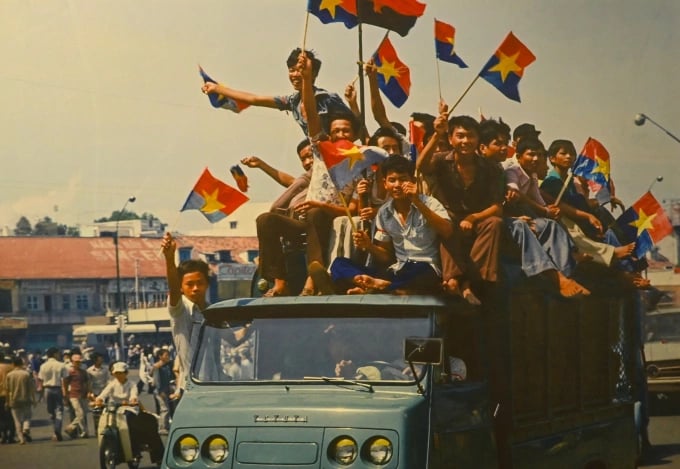
For the international historian, the sociologist of memory, and the seeker of the modern Vietnamese psyche, April 30, 1975, is not simply the date of the conclusion of the American War; it is the defining, complex psychological and emotional fault line of modern Southern Việt Nam. The memory of this day, and the subsequent transition (Đổi Mới), is the ultimate urban narrative—a continuous, subtle negotiation between the official, triumphalist history of Giải Phóng (Liberation) and the profound, deeply personal memories of Mất Mát (Loss), fear, and profound social upheaval experienced by millions. Sài Gòn (now Ho Chi Minh City) is defined by its ability to hold this profound, necessary duality, transforming its painful past into the engine of its relentless, forward-looking ambition.
As specialists in Vietnamese heritage and profound cultural analysis at Vietnam Charm, we embark on an essential, detailed exploration to decode this complex urban memory. We will meticulously analyze the emotional mandate that requires the collective processing of a divided past, the sociological resilience of the city's inhabitants during the profound transition, the architectural symbolism embedded in the preservation of key transition sites, and the profound way this shared, complex memory articulates the core national values of pragmatic acceptance, relentless economic vitality, and the unyielding spirit of urban aspiration. Understanding Sài Gòn's 1975 memory is essential to grasping the emotional depth and the dynamic, ambitious nature of Southern Vietnamese culture.
1. The Emotional Mandate: Liberation, Loss, and the Necessary Duality
The core of Sài Gòn's 1975 memory is defined by a fierce emotional mandate: the city must collectively process the simultaneous reality of Liberation and Loss. This duality is the unique, complex signature of the Southern experience of unification.
For the victorious North and the revolutionaries, April 30th was the ultimate, sacred culmination of a generational struggle—the triumph of the will, the final assertion of national independence, and the glorious Giải Phóng (Liberation) of the South. This memory is enshrined in official narratives, monuments, and the naming of streets and historical sites. It is the necessary triumphalist history that anchors the legitimacy of the unified state.
Yet, for a significant portion of the city's populace—particularly those connected to the former regime, the intellectual class, and the merchant elite—this day represented an intense, devastating reality of Mất Mát (Loss): loss of property, loss of status, loss of a way of life, and the profound, agonizing separation from family members who fled into the global diaspora. The memory of the chaotic final days, the rapid social re-engineering, and the fear of the unknown constitutes a personal, quiet history that must also be recognized. The city's resilience lies in its pragmatic capacity to hold both truths simultaneously: to celebrate the peace and reunification (the collective truth) while silently enduring the personal pain and fractured loyalties (the individual truth). This duality is the necessary emotional price paid for unity.
2. The Sociological Resilience: Pragmatism, Entrepreneurship, and Đổi Mới
The ultimate, enduring legacy of Sài Gòn's transition is the profound sociological resilience and the unique, relentless spirit of pragmatism and entrepreneurial vitality forged in the crucible of post-1975 transition and the subsequent Đổi Mới (Renovation) economic reforms.
The collapse of the old economic structure and the intense subsequent social re-engineering required a profound, immediate ability to adapt and rebuild. Sài Gòn's populace—characterized historically by its Tài Tử (amateur/master) spirit, its commercial acumen, and its energetic, forward-looking temperament—met the immense challenge with relentless pragmatism. The collective effort focused on survival and economic restoration, quickly pivoting away from ideological rigidity to embrace the practical necessities of rebuilding commerce and sustaining livelihoods.
The Đổi Mới reforms, initiated in 1986, found their most enthusiastic, dynamic laboratory in Ho Chi Minh City. The city's innate entrepreneurial spirit—its fierce, ambitious drive for business and innovation—was unleashed, transforming it into the unquestionable economic engine of the unified nation. The memory of 1975, rather than leading to stagnation, became a psychological motivator: a permanent reminder of the fragility of stability, fueling a relentless, unyielding drive for economic security and individual success. Sài Gòn's unique resilience is its capacity to use the energy of its past trauma to fuel its future ambition, always looking forward while carrying its complex history.
3. The Architectural Symbolism: The Palace and the Silent Witnesses
The memory of the transition is physically anchored in architectural symbolism—key preserved sites that stand as silent, permanent witnesses to the climactic final moments of the conflict.
The Dinh Độc Lập (Reunification Palace)—the former Presidential Palace of the South—is the ultimate architectural symbol of the transition. Its preservation, complete with the iconic original tanks (T-54/59 and Type 59) breaching the front gates, transforms the building into a sacred, unmoving memorial to the triumph of Liberation. The Palace’s architecture, blending modernist and traditional elements, now serves as a museum of the final hours, its rooms and grounds perpetually commemorating the moment the national narrative was decisively unified. Visiting the Palace is a mandatory act of civic pilgrimage, affirming the official history.
Beyond the Palace, the city's architecture of commerce serves as another silent witness. The Nhà Ống (Tube Houses) and the dense, vertical streets, which quickly returned to their relentless commercial rhythm after the initial chaos, are the enduring proof of the populace's sociological resilience. The rapid transformation of the city's physical and economic landscape from 1975 onward is the real, lasting monument—a testament to the city's non-negotiable, eternal commitment to commerce and vitality.
4. The Cultural Canvas: Film, Literature, and the Search for Wholeness
Sài Gòn's 1975 memory is continuously processed and refined through the cultural canvas—film, literature, and art that seek to understand and heal the fractured emotional landscape, moving the narrative toward a state of wholeness and shared understanding.
Contemporary Vietnamese cinema and literature frequently return to the transition period, but with a nuanced, critical eye. These works often explore the human cost of the political divide, focusing on themes of familial separation, the pain of the diaspora, the psychological struggle of returnees, and the immense moral ambiguity faced by individuals on all sides. This artistic engagement is a crucial step in the national healing process—it allows the complex, personal histories of the former South Vietnamese to enter the broader, shared cultural dialogue, moving the nation beyond the simple binary of triumph/defeat.
The ongoing cultural conversation seeks to affirm that the city's identity is defined not by a single narrative, but by its total, complex past. The culture asserts that the ultimate strength of the unified nation is its capacity to remember the trauma, honor the sacrifice on all sides that led to the peace, and integrate the painful memory into a forward-looking, unified future. The search for wholeness is a continuous, necessary act of lyrical expression.
5. Conclusion: The Permanent Engine of Urban Aspiration
Sài Gòn's 1975 memory is the ultimate, enduring, and complex psychological archive of a nation's defining transition. It is an urban narrative that transforms historical trauma into the ultimate engine of economic and social ambition. By analyzing the emotional mandate that requires the coexistence of Liberation and Loss, the sociological resilience rooted in the city's pragmatism, the architectural symbolism of the preserved sites, and the ongoing cultural effort to achieve wholeness, the observer gains access to a core, luminous truth: Sài Gòn's memory is not a static relic. It is the permanent, unwavering engine of urban aspiration—a powerful, dynamic declaration that asserts the cultural value of pragmatic adaptation, relentless vitality, and the belief that the moral strength of the nation is eternally tied to its capacity to remember its pain, embrace its duality, and unify its purpose in the pursuit of a vibrant, ambitious future. The city's chaotic energy is the sound of an unyielding will to live.
We are on social media
Vietnam Charm belongs to Vietpearl Travel., JSC
Contact:
Email: info@vietnamcharm.top
© 2026. by Vietnam Charm. All rights reserved
Travel license number: 01-827/2020
Refund Policy