Giảm giá hấp dẫn cho tour du lịch!


THE PHILOSOPHY OF THE PACK: THE ART OF THE TREK — DECODING HUMILITY, ETHICAL COVENANT, AND THE ULTIMATE REASON WHY WE WALK
More than movement: exploring The Act of Trekking and Hiking as Việt Nam’s ultimate spiritual and ethical mandate, analyzing the profound discipline of the Pack, the non-negotiable covenant with the indigenous Guide, and its embodiment of disciplined minimalism, self-reliance, and the unyielding quest for simplicity.
VIETNAMESE CULTUREVIETNAM'S VERTICAL SOULLOCAL EXPERIENCES
Tobin Nguyen
11/8/20255 phút đọc
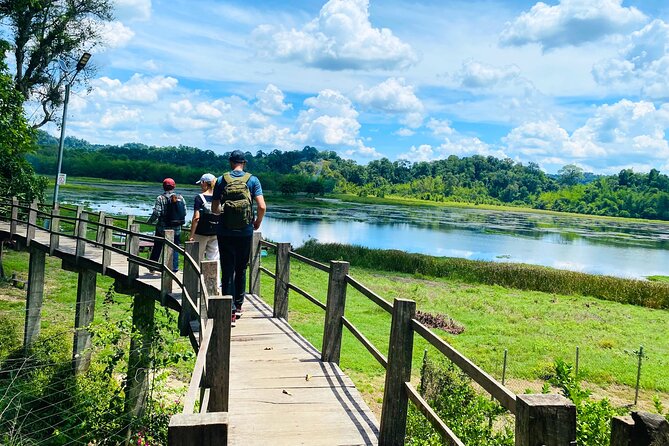
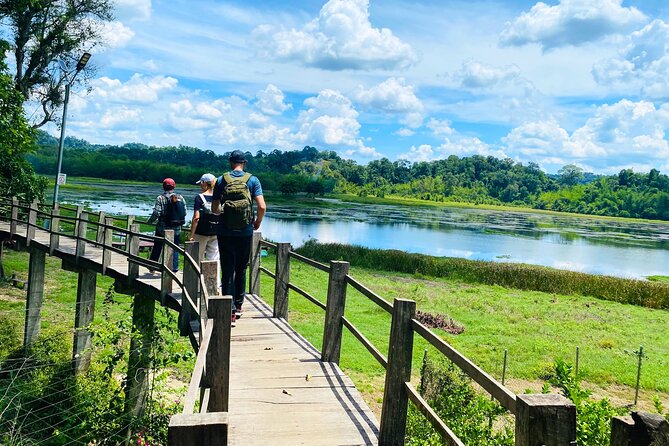
For the veteran trekker, the existential philosopher, and the seeker who has walked the dense jungles of Cúc Phương, climbed the icy slopes of Fansipan, and navigated the arid granite of Núi Chúa, the journey's end is not the summit, but the profound question: Why do we walk? The experience of vertical exploration in Việt Nam asserts an ultimate, comprehensive truth: the trail is the ultimate teacher, the mountain is the ultimate filter of the ego, and the answer to life’s complexity is found in the disciplined simplicity of the next step. The art of the Vietnamese trek transforms the body into a spiritual compass, compelling a disciplined return to the essential, where the only thing that truly matters is the rhythm of the foot, the integrity of the pack, and the wisdom of the guide.
As specialists in Vietnamese vertical exploration at Vietnam Charm, we conclude this epic journey with an essential, detailed exploration to decode the philosophy embedded in the physical act of trekking itself. We will meticulously analyze the spiritual mandate that requires the stripping away of the urban ego, the ethical covenant that binds the traveler to the profound knowledge of the local Guide (Người Dẫn Đường), the structural discipline dictated by the minimalism of the pack, and the profound way the trail articulates the core national values of humility, ethical reciprocity, and the unyielding pursuit of self-mastery. Understanding Why We Walk is essential to internalizing the entire emotional archive of Việt Nam's vertical soul.
1. The Mandate of Humility: The Mountain as the Ultimate Filter of Ego
The initial, non-negotiable spiritual mandate of the Vietnamese trek is the absolute requirement for Hòa Thuận (Humility)—a disciplined surrender of the urban ego, which the mountain acts as the ultimate, unforgiving filter to destroy.
The Stripping Away: The chaos and speed of the city—the sources of external anxiety and egoic complexity—are systematically stripped away by the sheer, relentless physical demands of the terrain. The steep, muddy slopes of the Hoàng Liên Sơn and the unrelenting heat of the Núi Chúa region do not care about title, wealth, or status; they demand immediate, functional competence and pure, disciplined effort. The body, reduced to its most basic functions (breath, balance, water management), enters a state of primal honesty. The mountain compels the trekker to confront the simple, humbling truth: I am only as good as my next step.
The Forcing of Tĩnh Tâm (Stillness): The trek forces the mind to surrender its attachment to speed and complexity. The Cúc Phương jungle's silence or the Mã Pí Lèng canyon's vast scale denies distraction. The mind is compelled to focus entirely on the present moment, entering a state of tĩnh tâm (spiritual stillness) through the relentless, rhythmic motion of walking. This physical meditation is the ultimate psychological cleansing—the shedding of the self-importance and anxiety accumulated in the external world. The mountain is the nation's greatest teacher of humility, asserting that true strength is quiet, disciplined, and functional.
2. The Ethical Covenant: The Guide, Reciprocity, and the Wisdom of the Land
The spiritual integrity of the Vietnamese trek is entirely dependent on the ethical covenant forged with the local, indigenous Guide (Người Dẫn Đường) and Porter, who serves as the unquestionable custodian of the land’s spiritual and physical knowledge. This relationship is a sacred, high-stakes bond of trust.
The Translator of the Cosmos: The Guide (often from the H'Mong, Dao, or Raglai communities) is not merely a navigator; they are the translator of the cosmos, the historian of the trail, and the moral compass of the journey. Their knowledge—passed down through generations of intimate, sustainable coexistence with the mountain—is the only non-negotiable technology required for safe passage. They know the subtle signs of the storm (Phong Hàn), the location of the hidden water source, and the spiritual energy of the ancient tree. They embody the Vietnamese philosophy that true knowledge is tacit, inherited, and inseparable from the land.
The Reciprocal Bond (Quán Hệ): The covenant is one of reciprocity and deep respect (quán hệ). The trekker pays not just for navigation, but for the wisdom, cultural insight, and physical safety granted by this ancestral knowledge. The discipline of the ethical trekker is to move with respect, gratitude (lòng tri ân), and a profound recognition that their safety is entirely in the hands of the Guide’s skill and humility before the environment. The act of sharing the trail, the meal, and the fire transforms the transaction into a moral partnership, reinforcing the core national value that communal trust is the most resilient form of insurance.
3. The Structural Discipline: The Architecture of the Pack and Essentialism
The Pack (Backpack) itself is the ultimate tool of structural and spiritual discipline—an intense exercise in minimalism and the non-negotiable philosophy of only carrying what is absolutely essential for survival.
The Rejection of Excess: The physical demands of the trail—the ascent of the Fansipan slopes or the long haul to the Phong Nha caves—impose a rigorous audit on the contents of the pack. Every unnecessary item, every ounce of excess, becomes a source of accumulated suffering and slowed progress. The successful trekker learns quickly that material excess is a spiritual burden. The act of meticulously weighing, selecting, and discarding non-essential items is a profound lesson in giản dị (simplicity)—a philosophical practice asserting that true happiness is found in minimizing needs, not maximizing possessions.
The Integrity of the System: The pack must maintain its integrity—it must be stable, balanced, and perfectly synchronized with the body's movement. A poorly balanced pack disrupts the flow of energy (Khí) and leads to exhaustion and injury. The pack, therefore, becomes a metaphor for the disciplined, balanced internal life required for sustained well-being. It is the physical proof that stability is achieved through disciplined, internal order. The entire journey is a continuous test of one's commitment to essentialism.
4. The Spiritual Return: Simplicity, Scars, and the Archive of Endurance
The final goal of the trek is the spiritual return—the conversion of the physical hardship into psychological clarity, enduring self-mastery, and an archive of moral memory.
Scars as the Archive: The minor injuries, the sun-scars from Núi Chúa, the leech bites from Cúc Phương, and the profound physical exhaustion are not viewed as suffering, but as earned marks of discipline. They are the physical archive that the trekker carries back into the urban world—a constant, non-verbal testament to the body's capacity for endurance and the mind's ability to conquer doubt. These scars are a physical inoculation against future despair, proving that every great challenge can be overcome by the simple, sustained act of putting one foot in front of the other.
The Consecration of Simplicity: The trek consecrates simplicity as the highest moral and spiritual achievement. The profound satisfaction found in the simple pleasures of the trail—a cup of hot ginger tea, the warmth of a shared fire in a Sapa homestay, the sight of clean river water—transforms the trekker’s appreciation. They return to the complexity of urban life armed with the disciplined knowledge that the essential foundations of happiness are simple, accessible, and require only gratitude and presence. The walk is the ritual that resets the soul's value system.
5. Conclusion: The Permanent Testament to the Unyielding Step
The Philosophy of the Pack and the act of trekking in Việt Nam are the ultimate, enduring, and profound testament to the human spirit's capacity for self-mastery, ethical discipline, and unyielding simplicity. It is a spiritual technology that transforms the physical journey into a total revolution of the inner self. By analyzing the mandate of humility required to submit to the mountain, the ethical covenant forged with the Guide, the structural discipline enforced by the minimalism of the pack, and the spiritual return to the simplicity of the essential, the observer gains access to a core, luminous truth: we walk because the walk is the answer. The trail is the permanent, unwavering declaration of the unyielding step—a powerful, emotional assertion that asserts the cultural value of disciplined self-reliance, ethical reciprocity, and the belief that the purest, most resilient form of strength is found in the humble, synchronized, and continuous rhythm of the human heart on the Earth's vertical soul.
We are on social media
Vietnam Charm belongs to Vietpearl Travel., JSC
Contact:
Email: info@vietnamcharm.top
© 2026. by Vietnam Charm. All rights reserved
Travel license number: 01-827/2020
Refund Policy