Giảm giá hấp dẫn cho tour du lịch!


THE PHILOSOPHY OF THE ROLL: DECODING VIETNAMESE MÓN CUỐN — THE RITUAL OF ASSEMBLY, TEXTURAL DEMOCRACY, AND THE ART OF ABSOLUTE FRESHNESS
More than an appetizer: exploring Món Cuốn as Việt Nam's ultimate interactive culinary manifesto, analyzing the aesthetic mandate of the Bánh Tráng, the sociological intimacy of communal assembly, and the complex textural genius of raw ingredients.
LOCAL EXPERIENCESVIETNAMESE CULTUREGASTRONOMY & TRADITION
Tobin Nguyen
11/6/20255 phút đọc
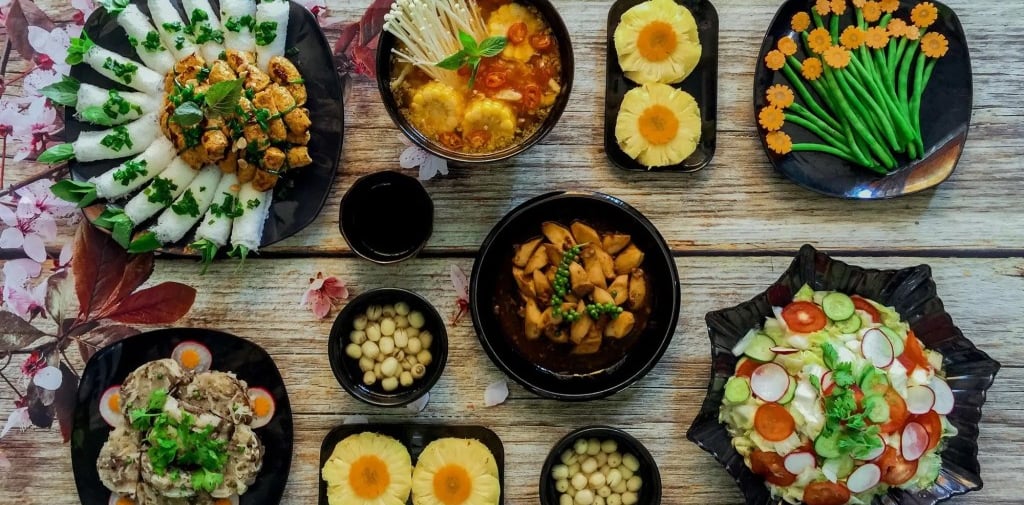
For the international diner, the experience of encountering Vietnamese Rolls (Món Cuốn)—whether they be the transparent, springy Gỏi Cuốn (Summer Rolls) or the crisp, golden Chả Giò (Spring Rolls)—is fundamentally different from the consumption of almost any other cuisine. Món Cuốn is not a dish that is simply served; it is a culinary kit presented to the diner, demanding participation, creativity, and adherence to a personal ritual of assembly. This family of dishes is far more than a simple meal; it is the purest expression of Vietnamese culinary philosophy—an unwavering commitment to absolute freshness, textural harmony, and the essential social imperative of communal interaction. The act of rolling a perfect Món Cuốn is a daily, meticulous performance that embodies balance, skill, and democratic flavor construction.
As specialists in Vietnamese heritage and profound cultural analysis at Vietnam Charm, we embark on an essential, detailed exploration to decode this interactive masterpiece. We will meticulously analyze the aesthetic mandate of the Bánh Tráng (Rice Paper) as the blank, neutral canvas, the sociological intimacy inherent in the communal rolling ritual, the textural genius of combining raw herbs and tender protein, and the profound way Món Cuốn articulates the cultural values of collaboration, discipline, and the pursuit of tính tươi (absolute freshness). Understanding the roll is essential to grasping the core humanistic and ecological dimensions of Vietnamese gastronomy.
1. The Core Philosophy: The Aesthetic Mandate of Freshness (Tính Tươi)
The defining, non-negotiable principle underlying all Món Cuốn is the aesthetic and ecological mandate of tính tươi (absolute freshness). This philosophy stands in profound contrast to many Western culinary traditions that rely on heat and heavy processing to transform ingredients.
Vietnamese rolls are a celebration of the ingredient’s natural, untransformed state. The majority of the filling—mint, coriander, basil, lettuce, cucumber, sprouts, and often blanched vermicelli (bún)—is raw or minimally cooked. This ensures that the dish retains the crispness, vibrant color, and immediate, potent aroma of the garden. The freshness is both a flavor preference and a necessary visual assurance of quality and wholesomeness. By presenting the ingredients mostly raw, the chef places the ecological purity of the produce on full display.
The most essential component dictating this aesthetic is the Bánh Tráng (Rice Paper). This thin, translucent sheet, made from sun-dried rice flour and water, functions as the ultimate neutral, edible canvas. Its visual quality is transparency, its textural quality is delicacy, and its flavor is neutrality. Unlike bread, which asserts its presence, the rice paper is designed to yield to the contents, allowing the flavor and color of the ingredients to dominate. This commitment to neutrality is a philosophical statement: the roll’s integrity must derive from the quality of the filling, not the strength of the wrapper. The fragility of the Bánh Tráng itself mandates a gentle, mindful interaction, enforcing a sense of respect for the construction.
2. The Ritual of Assembly: Communal Engagement and Culinary Democracy
The single most defining characteristic of the Món Cuốn experience is the Ritual of Assembly—the fact that the final, perfect form of the dish is created not by the chef, but by the diner themselves, during the act of consumption. This process elevates the meal to a communal, democratic ritual.
The table is presented with a deconstructed landscape: a platter of herbs, a bowl of water (for wetting the rice paper, if required), bowls of vermicelli, sliced protein, and a large central bowl of the indispensable Nước Chấm (Dipping Sauce). This presentation mandates communal engagement (tính cộng đồng). Diners must share the ingredients, pass the bowls, and wait their turn for the water, fostering spontaneous interaction and conversation. The meal becomes an active, shared event rather than a passive, individual consumption.
This ritual is an act of culinary democracy. The diner is fully empowered to customize their roll to their exact preference: one may prefer more mint and less lettuce; another may opt for double the protein; a third may douse their roll with an extra serving of chili garlic. The dish accommodates all individual tastes within the shared structure of the meal, affirming the cultural importance of personal preference within a collective setting. The skill involved in creating a tight, structurally sound roll—known as cuộn đẹp (rolling beautifully)—is a quiet demonstration of dexterity and discipline, often passed down through family observation. The shared laughter and instruction over a poorly constructed, exploding roll become part of the collective memory of the meal.
3. The Textural Genius: The Symphony of Crunch, Chew, and Slither
The high art of the Vietnamese roll lies in its textural genius—the intentional, complex layering of components to achieve a perfect, high-impact sensory symphony within a single bite. A masterful roll must deliver a precise sequence of contrasting textures.
The textural journey begins with the initial breach of the soft, yielding, slightly sticky Bánh Tráng (slither), followed immediately by the chewy resilience of the bún (chew). These soft elements are violently contrasted by the sharp crunch provided by the raw components—the spine of the cucumber, the crispness of the lettuce, and the subtle snap of the bean sprouts. The final textural dimension is provided by the protein (the tender smoothness of poached shrimp or the charred resistance of grilled pork), binding the internal elements.
This deliberate contrast is precisely calculated to provide a complete sensory jolt without the need for high heat or heavy oils. Furthermore, the role of the Nước Chấm (Dipping Sauce) is critical in achieving the final textural and flavor harmony. The sauce—usually a blend of sweet, sour, salty, and spicy notes—is the only fully processed, fermented element. When the roll is dipped, the sauce acts as the lubricating, binding fluid, tying together the disparate textures and flavors into a cohesive, explosive final taste profile. The textural symphony is thus perfected by the unifying liquid anchor.
4. Regional Variations: The Geographical Map of Rolls
The concept of Món Cuốn is vast and deeply rooted, manifesting in myriad ways across Việt Nam, each reflecting the specific ingredients, climate, and culinary philosophy of its region. The rolls serve as a geographical map of national flavor.
Northern Simplicity (Hà Nội): The Phở Cuốn (Phở Rolls) are the quintessential Northern expression. They utilize wide, freshly steamed Bánh Phở (Phở noodles) instead of dried rice paper. The rolls are simpler, often filled only with beef and fresh herbs, and are typically served with a lighter, less aggressive dipping sauce. This reflects the Northern aesthetic preference for minimalism, elegance, and purity of the base ingredient.
Southern Exuberance (Sài Gòn): The Gỏi Cuốn (Summer Rolls) are the dominant Southern form, often featuring a visual display of colorful ingredients (the pink of the shrimp, the green of the herbs) visible through the wet rice paper. The accompanying Hoisin-Peanut Sauce (often rich and sweet) reflects the Southern preference for exuberance, richness, and complex, high-impact flavors.
Central Craftsmanship (Huế): The Nem Lụi (Hue Lemongrass Skewers) offer a more intensive ritual. The diner is presented with grilled pork wrapped around a lemongrass skewer, which they must then roll themselves into rice paper along with fried crunchy elements (bánh phồng tôm or crispy wrappers) and herbs. The accompanying peanut-sesame sauce is unique—thick, savory, and complex—reflecting the Central Vietnamese emphasis on nuance, intense flavor depth, and detailed, laborious assembly.
These regional variations prove that the roll is not a single dish, but a philosophical framework—an idea about freshness and communal eating that is adapted and perfected using local ingredients and regional flavor mandates.
5. Conclusion: The Living Art of the Dinner Table
Món Cuốn is the ultimate, enduring testament to the Vietnamese genius for culinary democracy, textural engineering, and unwavering dedication to freshness. It transforms the limitations of raw ingredients into a vibrant, high-impact symphony of flavor and texture. By decoding the aesthetic mandate of the transparent rice paper, the sociological intimacy of the communal rolling ritual, the genius of its layered crunch, and its profound geographical variations, the observer gains access to a core truth: the roll is far more than a meal. It is a living art form performed at the dinner table—a delicious, interactive declaration of tính tươi and a powerful affirmation of the enduring importance of cộng đồng (community), where every diner is the architect of their own perfect, balanced bite.
We are on social media
Vietnam Charm belongs to Vietpearl Travel., JSC
Contact:
Email: info@vietnamcharm.top
© 2026. by Vietnam Charm. All rights reserved
Travel license number: 01-827/2020
Refund Policy