Giảm giá hấp dẫn cho tour du lịch!


THE SALT MARCH: FANSIPAN’S HIDDEN ROUTE (SIN CHẢI) — DECODING THE ORIGINAL ASCENT, HISTORICAL MEMORY, AND THE UNYIELDING WILL OF THE PORTER
More than a trail: exploring the Sin Chải Route (The Original Ascent of Fansipan) as Việt Nam’s ultimate archive of historical endurance and vertical hardship, analyzing the profound journey through the unrelenting vertical jungle, the spiritual memory of the Original Porters, and its embodiment of primal grit and disciplined, sustained suffering.
VIETNAMESE CULTURELOCAL EXPERIENCESVIETNAM'S VERTICAL SOUL
Tobin Nguyen
11/8/20255 phút đọc
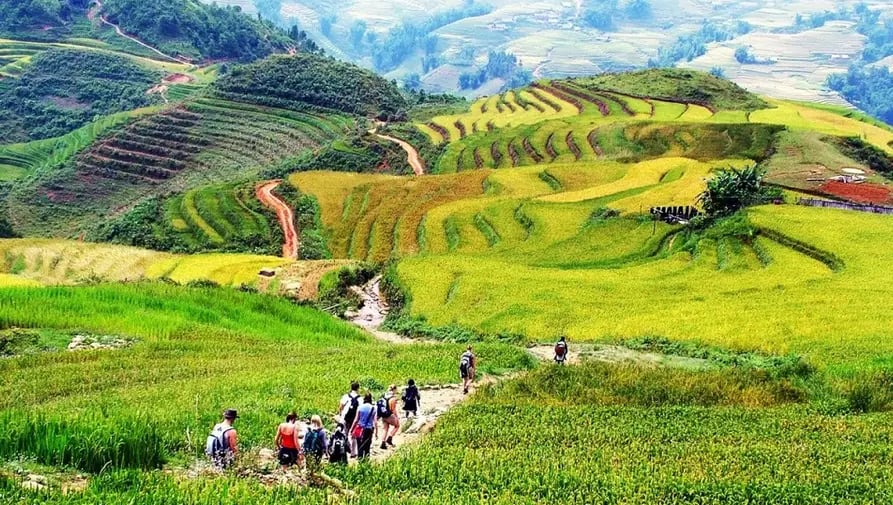
For the veteran high-altitude trekker, the historical purist, and the seeker who understands that the soul of a mountain is held in its hardest path, the Sin Chải Route—the original, longest, and most technically demanding trail to the summit of Fansipan—is not merely an alternative path. It is the nation’s sacred, unmoving, and most explicit test of raw, primal endurance—a relentless, continuous vertical grind that forces the climber into an intimate dialogue with the mountain's unadulterated, original difficulty. The experience of trekking here asserts an ultimate, non-negotiable truth: climbing is a confrontation with the past, the greatest strength is found in the rhythmic step, and true merit is earned through the disciplined acceptance of maximum suffering. The entire journey is a rigorous metaphor for the Vietnamese spirit: enduring the long, hard road to achieve ultimate, undeniable triumph.
As specialists in Vietnamese vertical exploration at Vietnam Charm, we invite the global adventurer on an essential, detailed journey to decode this profound, historical epic. We will meticulously analyze the historical mandate that consecrated this route as the path of the original conquerors, the structural discipline required to master the unrelenting vertical jungle, the sociological memory of the Salt Porters and Guides who first carved this path, and the profound way this route articulates the core national values of unyielding endurance, disciplined humility, and the fierce, quiet pride of earning the summit. Understanding the Sin Chải Route is essential to grasping the emotional depth and the unshakeable will that defines the true spirit of Fansipan.
1. The Historical Mandate: The Original Ascent and the Unadulterated Challenge
The defining character and the profound psychological difficulty of the Sin Chải Route are dictated by a clear historical mandate: it is the original, unadulterated path—the longest, most technically difficult, and least modified ascent to the Fansipan summit, consecrating it as the supreme archive of mountain endurance.
The Test of the Founders: This route, predating modern infrastructure, demanded the absolute maximum in physical stamina, logistical preparation, and commitment to multi-day hardship. Choosing Sin Chải is a conscious act of historical pilgrimage, choosing to confront the mountain on its own terms, as the original explorers and local guides did for generations. The path asserts a primal truth: the sanctity of the peak is preserved by the difficulty of its true path. The longer, more challenging approach acts as a spiritual filter, ensuring only those with disciplined intent and profound respect for the mountain's history reach the summit.
The Relentless Verticality: The route is famous for its unyielding, continuous vertical ascent through thick, high-altitude jungle, often requiring steep, hand-over-hand scrambling over roots, rock, and slick mud. There are fewer rest sections and less gradual grading than on other routes. This structural difficulty transforms the trek into a pure test of will and sustained leg power. The mountain compels the individual to shed the illusion of ease and submit to the grinding, honest discipline of gravity and endurance.
2. The Structural Discipline: The Vertical Jungle and the Archive of Scars
The ultimate structural challenge of the Sin Chải Route lies in the arduous journey through the Vertical Jungle—a claustrophobic environment that demands meticulous footwork and absolute physical discipline.
The Labyrinth of Roots and Mud: The majority of the trail is buried deep within the high-altitude jungle, defined by dense canopy, perpetual dampness, and intricate, aggressive root systems. The terrain is physically demanding, forcing the trekker into a continuous, intimate dialogue with the resilient vegetation and the slippery mud. The path is a labyrinth of vertical challenges, ensuring that the movement is slow, intentional, and often frustratingly difficult. This environment is the mountain's greatest ally, sapping energy and punishing impatience.
The Archive of Scars: The extreme difficulty ensures that the trekker's body accumulates a profound archive of physical memory—the memory of strained muscles, the cold ache of damp clothing, and the mental fortitude required to keep moving when utterly exhausted. These physical scars are spiritual marks, proving the sustained discipline achieved. The ascent becomes a practical lesson in Khí Công (Energy Work)—the art of finding internal power, breath discipline, and mental clarity when the external body is failing.
3. The Sociological Memory: The Porters, The Salt March, and the Unseen Labor
The Sin Chải Route carries a unique sociological memory, consecrated by the unseen, continuous labor of the local Mông and Dao porters and the economic history of the region.
The Unsung Heroes: The success of the route was historically and is presently dependent on the unyielding physical labor of the porters. These individuals, moving with astonishing strength and quiet discipline, embody the core Vietnamese value of endurance (sức bền) and Hòa Thuận (Harmony) with the land. Their presence is a humbling reminder that the summit is achieved not by the individual's ambition alone, but by the collective, disciplined support and the deep, inherited knowledge of the local people.
The Economic Artery: Historically, high-altitude trails like Sin Chải were often used as economic arteries, facilitating the trade of essential goods (such as salt from the lowlands, which gives the route its spiritual nickname) to the isolated, high-altitude ethnic villages. The trekker walks a path that was carved by economic necessity and the pursuit of sustenance, not merely leisure. This historical gravity transforms the physical labor into a profound act of ancestral recognition and respect for the hardship endured by past generations.
4. The Spiritual Crucible: The Shared Fire and the Hard-Earned Summit
The final goal of the Sin Chải Route is a spiritual crucible—a shared commitment to the collective effort and the ultimate reward of a hard-earned summit.
The Covenant of the Camp: The overnight camps on this route, often rustic and essential, become sanctuaries of communal suffering and human warmth. The act of sharing the communal bếp lửa (hearth) and the simple, hot meal with fellow climbers and guides creates a profound bond of đoàn kết (unity). The shared submission to the mountain's brutal test is balanced by the immediate, necessary warmth of the community. The hardship is the filter that reveals the purity of human connection and mutual dependence.
The Final Triumph: Reaching the summit via Sin Chải carries an extra layer of spiritual merit (phước đức) and profound self-satisfaction. It is the conquest of the mountain's original difficulty. The individual returns with an unshakeable inner conviction that they have faced the unadulterated truth of the mountain and endured. The summit is the final, luminous declaration of unyielding, disciplined will.
5. Conclusion: The Permanent Testament to Maximum Effort
The Sin Chải Route (Fansipan’s Original Ascent) is the ultimate, enduring, and brutally honest testament to the Vietnamese spirit's capacity for disciplined endurance, historical fidelity, and the pursuit of self-mastery through maximum effort. It is a path that transforms the sheer difficulty of the terrain into a sanctuary of focused will. By analyzing the historical mandate that consecrated it as the original, unadulterated ascent, the structural discipline required to conquer the unrelenting vertical jungle, the sociological memory of the selfless porters who carved the path, and the final, hard-earned spiritual triumph, the observer gains access to a core, luminous truth: the Sin Chải Route is far more than a trail. It is the permanent, unwavering declaration of maximum effort—a powerful, fierce assertion that asserts the cultural value of disciplined sufferance, historical humility, and the belief that the purest, most resilient form of power is found in the unyielding, synchronized step taken on the path of greatest resistance.
We are on social media
Vietnam Charm belongs to Vietpearl Travel., JSC
Contact:
Email: info@vietnamcharm.top
© 2026. by Vietnam Charm. All rights reserved
Travel license number: 01-827/2020
Refund Policy