Giảm giá hấp dẫn cho tour du lịch!



THE SILKEN CURRENT: PERFUME RIVER — DECODING THE LYRICAL SOUL, IMPERIAL ANCHOR, AND THE PHILOSOPHY OF GENTLE FLOW IN HUẾ
More than water: exploring the Hương Giang (Perfume River) as Việt Nam's ultimate lyrical and spiritual artery, analyzing its role as the aesthetic anchor of the imperial capital, the profound melancholy embedded in its flow, and its embodiment of the contemplative, reserved spirit of Huế culture.
VIETNAMESE CULTURETHE WATER CIVILIZATIONLOCAL EXPERIENCES
Tobin Nguyen
11/8/20255 phút đọc
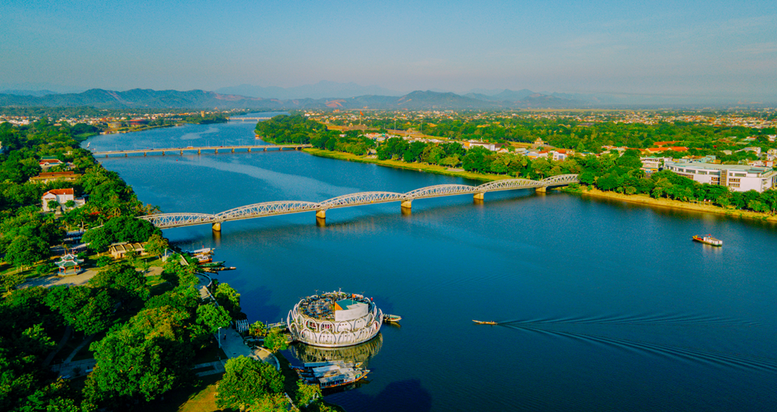
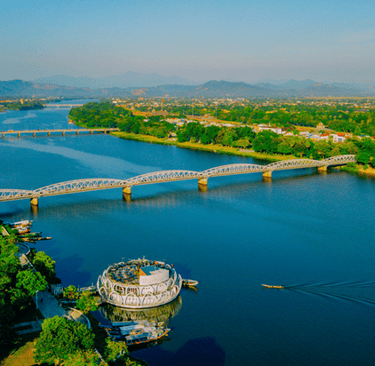
For the international visitor, the Sông Hương (Perfume River)—gently curving around the ancient Citadel and flowing through the heart of Huế—is immediately perceived as the city's most enduring, graceful, and defining feature. This river is far more than a geographical boundary; it is the unquestionable spiritual and emotional axis of the former imperial capital, the ultimate source of its lyrical renown, and the essential, constant mirror reflecting the city's reserved, melancholic, and deeply refined character. The river flows not with the fierce speed of a northern current, nor the robust energy of a southern delta, but with a disciplined, silken grace that embodies the solemnity, the aestheticism, and the political gravity of the Nguyễn Dynasty.
As specialists in Vietnamese heritage and profound cultural analysis at Vietnam Charm, we embark on an essential, detailed exploration to decode this flowing narrative. We will meticulously analyze the historical mandate that required the river's presence for the imperial capital, the aesthetic philosophy of its gentle flow (sự chậm rãi) that shapes the local temperament, the spiritual geometry of its relationship with the Ngu Binh Mountain, and the profound way the Perfume River articulates the core values of contemplation, refined elegance, and the enduring power of memory and melancholy. Understanding the Sông Hương is essential to grasping the emotional depth and the imperial legacy of Central Vietnamese culture.
1. The Imperial Mandate: Phong Thủy, Protection, and the Political Axis
The location of Huế and the absolute centrality of the Sông Hương were dictated by a rigorous imperial and cosmological mandate—the necessity of utilizing the river to secure the political stability and longevity of the Nguyễn Dynasty through strict adherence to Phong Thủy (Feng Shui).
The river was the non-negotiable component required for the application of the Tựa Sơn, Hướng Thủy (Backed by Mountain, Facing Water) principle. The Hương Giang flows gently around the Citadel, serving as the essential "Minh Đường"—the auspicious, collecting body of water that gathers and guides benevolent Khí (Cosmic Energy) toward the Imperial City's main gates. The river's path—flowing slowly from the mountains toward the sea—was intentionally utilized to secure the city's prosperity (Tài Lộc), symbolizing wealth that flows into the capital without rushing away. The river is thus not a casual neighbor; it is a structural, political asset guaranteeing the dynasty's fortune.
Furthermore, the river served a practical, strategic function. It was the primary logistical artery for the city—the transport hub for imperial barges, military resources, and trade goods flowing from the South China Sea up to the Citadel. The river provided the necessary defensive moat on the eastern side, and its steady flow guaranteed a reliable source of water for the populace. This profound integration of spiritual necessity, strategic defense, and logistical utility cemented the river's role as the permanent, most vital axis of the imperial domain, a flowing testament to the wisdom of its imperial architects.
2. The Aesthetic Philosophy: Gentle Flow, Melancholy, and the Culture of Reserve
The defining aesthetic and psychological characteristic of the Sông Hương is its gentle, measured, and seemingly timeless flow (sự chậm rãi). This constant, quiet movement dictates the unique temperament and cultural philosophy of Huế.
Unlike the powerful, rapid currents of the North or the turbulent, chaotic delta floodwaters of the South, the Perfume River maintains a silken, patient pace. This slowness is not a lack of energy; it is a profound expression of disciplined power and contemplation. This enduring rhythm has shaped the local temperament, instilling in the Huế people a characteristic sense of reserve (sự kín đáo), elegance, and measured communication. The pace of life, like the pace of the river, is intentionally slow, allowing for deep contemplation and aesthetic appreciation of the surrounding natural beauty and historical ruins.
The river is deeply intertwined with a pervasive, literary sense of melancholy (nỗi buồn Huế). The sight of the gentle water flowing past the solemn, aging ruins of the Imperial City and the vast, quiet Royal Tombs evokes a profound sense of historical tragedy, lost glory, and the ephemeral nature of imperial power. The river becomes a lyrical vessel carrying the memory of the past—the triumphs and the sorrow of the last dynasty. The river is therefore the muse of sorrow and beauty, its gentle flow providing the perfect, quiet backdrop for the city’s deep sense of historical gravity and poetic introspection.
3. The Lyrical Tradition: Ca Huế and the Night Ritual
The most intimate and celebrated cultural expression of the Perfume River is the Ca Huế (Huế Singing)—a highly refined, melancholic, and disciplined chamber music tradition that historically flourished on the river’s waters during the night. The river is the necessary acoustic stage for this lyrical art.
Ca Huế is structurally and emotionally placed between the rigid formalism of Northern Nhã Nhạc and the spontaneous passion of Southern Đờn Ca Tài Tử. It demands immense technical precision and emotional refinement, utilizing a repertoire based on the Nam (Southern) and Bắc (Northern) Modes, often expressing themes of wistful longing, philosophical contemplation, and subtle romantic yearning. The performance is usually conducted on small dragon boats (thuyền rồng) gliding slowly along the river after dark.
The Night Ritual on the river is crucial to the art form's experience. The darkness, the quiet stillness of the water, and the gentle lapping of the current against the boat create an intimate, perfect acoustic environment. The music is not loud; it is designed to be heard, felt, and absorbed in the quiet isolation of the river night. The experience transforms the river into a moving, sensory spectacle, linking the beautiful melancholic sound directly to the physical environment. The river at night becomes the city's contemplative sanctuary, where music, memory, and water merge into a single, profound emotional experience.
4. The Spiritual Geometry: The Bridge and the Temple
The Sông Hương is adorned with several crucial, spiritually significant structures that affirm its role as the city’s spiritual spine, most notably the Chùa Thiên Mụ (Celestial Lady Pagoda) and the Tràng Tiền Bridge.
The Chùa Thiên Mụ is the undisputed spiritual icon of Huế, standing on a hill overlooking the river. The pagoda's placement is perfectly aligned with Phong Thủy—an elevated structure commanding the river's flow—and its pagoda tower (Tháp Phước Duyên) serves as a spiritual beacon and an architectural focal point for all river travelers. Its sheer presence asserts the dominance of the Buddhist spiritual domain over the physical imperial realm, emphasizing the importance of faith and contemplation.
Conversely, the Cầu Tràng Tiền (Tràng Tiền Bridge)—the long, elegant, historic steel arch bridge—symbolizes the modern, political, and human-made effort to conquer and connect the two banks of the river. The bridge represents the city's movement toward modernity and its need for physical connection, standing in beautiful, enduring contrast to the spiritual sanctity of the pagoda and the natural flow of the river. The dialogue between the ancient spiritual structure (the Pagoda) and the modern steel structure (the Bridge) is the ultimate visual metaphor for Huế’s continuous negotiation between its profound historical legacy and the demands of the contemporary world.
5. Conclusion: The Permanent Repository of Memory
The Sông Hương (Perfume River) is the ultimate, enduring lyrical voice and spiritual spine of Huế. It is a geographical feature that transforms its gentle flow into a philosophical statement on stability, elegance, and the acceptance of history's burden. By analyzing the imperial mandate that strategically secured the capital, the aesthetic philosophy of its measured, melancholic flow, the profound cultural ritual of the Ca Huế night performance, and the spiritual geometry of its architectural anchors, the observer gains access to a core truth: the Perfume River is far more than water. It is the permanent repository of national memory—a silken, constant current that asserts the cultural value of disciplined elegance, quiet contemplation, and the belief that true beauty is often found in the mournful, dignified reflection on the irreversible passage of time and the ephemeral glory of kings.
We are on social media
Vietnam Charm belongs to Vietpearl Travel., JSC
Contact:
Email: info@vietnamcharm.top
© 2026. by Vietnam Charm. All rights reserved
Travel license number: 01-827/2020
Refund Policy