Giảm giá hấp dẫn cho tour du lịch!


The Soul of the Paddy Field: Rice Beyond the Bowl — An Exploration of the Essential Grains That Define Vietnamese Gastronomy
More than a staple, rice is the foundation of identity: decoding how the essential grain transforms into an astonishing diversity of noodles, cakes, rolls, and wraps that define Việt Nam’s profound culinary civilization.
LOCAL EXPERIENCESFOODS
Tobin Nguyen
11/8/20255 phút đọc
For the international traveler, the image of Vietnamese dining often centers on a bowl of perfect, fluffy white rice (cơm) served alongside a shared family meal. Yet, to understand the true depth of Vietnamese cuisine is to recognize that rice is not merely a staple; it is the unquestioned foundation of the nation's identity, history, and culinary artistry. Việt Nam is a civilization built on the paddy field, and the humble grain transforms into an astonishing, complex array of products—from translucent noodles to savory cakes and sticky desserts—that define the country's gastronomic landscape from North to South.
As specialists at Vietnam Charm, we embark on an essential, detailed exploration into the world of rice beyond the bowl. We will meticulously analyze the technical artistry involved in transforming rice flour into countless forms, the philosophical and economic role of the grain in daily life, and the regional diversity exhibited in the consumption of bún, phở, xôi, and bánh. Understanding the sheer versatility of rice is the key to unlocking the soul of Vietnamese gastronomy.
I. The Agricultural Foundation: Rice as Destiny and Civilization
The cultivation of wet rice (lúa nước) is arguably the oldest and most central feature of Vietnamese culture and economy. It dictated settlement patterns, created complex irrigation systems, and established the community-oriented social structure that persists today. Rice is not simply food; it is history and destiny.
The Economic and Spiritual Role
Economic Engine: For centuries, rice production has been the primary economic engine. The abundance of the Red River Delta in the North and the fertile Mekong Delta in the South (Việt Nam’s two rice baskets) ensured national sustenance and, eventually, global export dominance. The success or failure of the rice harvest dictated the well-being of the entire community.
Spiritual Center: Rice holds immense spiritual and symbolic value. It is featured prominently in rituals, festivals, and ancestor worship. The act of sharing a bowl of rice (bát cơm) symbolizes unity, family, and prosperity. The phrase “Hạt gạo là hạt ngọc” (The grain of rice is a grain of pearl) reflects the profound reverence and gratitude accorded to this essential crop.
From Grain to Flour: The Technical Transformation
The versatility of Vietnamese cuisine stems from its technical mastery of transforming the hard, raw grain into flour and starches that can be shaped, steamed, boiled, or fried. This process involves precise soaking, grinding, and blending of different types of rice—primarily ordinary white rice (gạo tẻ), sticky rice (gạo nếp), and fermented rice—to achieve the perfect texture for noodles, cakes, and wrappers. This initial technical mastery is the silent foundation of nearly all Vietnamese street food.
II. The Noodle Continuum: Bún, Phở, and the Art of Extrusion
The most recognizable transformations of rice flour are the iconic noodles, each requiring specific rice types and meticulous preparation to achieve its signature texture and flavor absorption capacity. The continuum of Vietnamese noodles tells a story of local adaptation and history.
1. Phở: The Wide, Flat Noodle
The wide, flat, and soft Phở noodle is the perfect neutral vehicle for the aromatic, intense broth. It is traditionally made from pure, aged rice and requires careful steaming and cutting. The surface area of the flat noodle allows it to soak up maximum broth, integrating the noodle fully into the liquid experience—the hallmark of Phở’s genius.
2. Bún: The Thin, Delicate Vermicelli
Bún (vermicelli) represents the opposite end of the spectrum. It is thin, round, and extruded, requiring fermented or slightly sour rice flour for its characteristic strength and slight tartness. Bún is rarely served hot; it is cooled and used as the foundation for vibrant dishes like Bún Chả (with warm dipping sauce) or Bún Thịt Nướng (with cold peanut sauce). Its lightness makes it ideal for cutting through the richness of grilled meats and heavy sauces, ensuring the meal remains refreshing. The structural integrity of Bún allows it to be presented in beautiful, delicate bundles (bún rối).
3. Bánh Hỏi: The Intricate Web
An incredible example of rice mastery is Bánh Hỏi—an ultra-fine vermicelli woven into intricate, delicate, lace-like mats. This complex form requires highly skilled pressing and steaming and is often served with a smear of scallion oil. Bánh Hỏi is typically used to accompany rich roasted or grilled meats, offering an extremely soft, porous texture that absorbs rich sauces quickly, acting as a luxurious sponge.
III. The Cake and Wrap World: Bánh, Bánh Tráng, and the Art of Steaming
Beyond noodles, rice flour is the essential component for a staggering array of steamed cakes (bánh) and wrappers, which are central to the culture of communal, participatory dining.
1. The Translucent Wrapper (Bánh Tráng)
Bánh Tráng (Rice Paper) is perhaps the most visible structural element of Vietnamese participatory cuisine (Món Cuốn). As discussed previously, its perfection—the thinness, the translucency, and the elastic texture—is achieved through precise steaming and sun-drying of rice flour batter. It is the democratic canvas upon which individual ingredients are artfully arranged and consumed, representing the country’s high-fiber, balanced culinary philosophy.
2. Savory and Sweet Cakes (Bánh): Regional Signatures
Rice flour is the basis for countless regional cakes, often named simply Bánh followed by a descriptor:
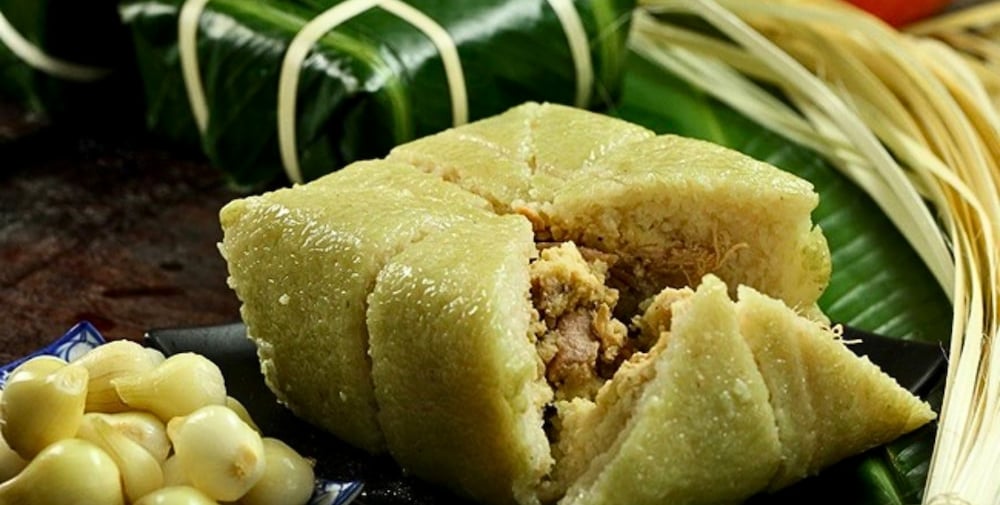
Bánh Chưng/Bánh Tét: The ceremonial heart of Tết (Lunar New Year), these sticky rice cakes are filled with savory mung bean and pork, wrapped tightly in banana leaves, and boiled for up to twelve hours. They are symbols of gratitude to Earth and Sky and represent one of the most significant ceremonial uses of sticky rice (gạo nếp).
Bánh Bèo (Huế): The delicate, thin steamed rice cakes of the Imperial City, demonstrating the regional focus on miniature aesthetics and subtle flavor.
Bánh Xèo: The famous "sizzling cake," where a thin, crisp batter made from rice flour (often blended with coconut milk and turmeric) is fried quickly in a wok. The integrity of the crust relies entirely on the quality of the rice flour mixture.
IV. Xôi: The Cultural Depth of Sticky Rice
Xôi (Sticky Rice) occupies a distinct and honored place in Vietnamese gastronomy. It is made exclusively from gạo nếp (glutinous or sticky rice), which requires intense soaking and meticulous steaming.
Ritual, Convenience, and Celebration
Ceremonial Value: Xôi is mandatory for ancestor worship, weddings, and Tết. Its sticky, binding texture symbolizes unity and permanence—essential values in Vietnamese society.
The Mobile Meal: Xôi is also the ultimate street food of convenience and energy. Because of its density, a small portion of savory Xôi (often topped with braised pork, dried shredded chicken, or mung beans) provides sustained energy, making it a perfect, quick breakfast for workers.
Sweet Variety: The transformation of Xôi into desserts, often colored with natural dyes (like pandan for green or gấc fruit for red/orange), showcases the playful and aesthetic side of Vietnamese cooking, proving the grain’s versatility even in the realm of sweets.
V. Conclusion: The Endless Diversity of the Single Grain
The study of rice beyond the bowl—the exploration of Bún, Phở, Bánh Tráng, and Xôi—is the study of the very essence of Việt Nam. It demonstrates that the greatest richness in the nation’s culinary landscape stems from the sophisticated manipulation of a single, humble ingredient. The diverse forms of rice celebrate regional identity, honor historical necessity, and enforce the principles of nutritional balance and communal participation. The transformation of gạo into a thousand forms is the clearest evidence of the creative genius, patience, and resilience inherent in the Vietnamese people, proving that the Soul of the Paddy Field truly defines their world.
We are on social media
Vietnam Charm belongs to Vietpearl Travel., JSC
Contact:
Email: info@vietnamcharm.top
© 2026. by Vietnam Charm. All rights reserved
Travel license number: 01-827/2020
Refund Policy