Giảm giá hấp dẫn cho tour du lịch!


THE SOUTHERN WILDERNESS: CÁT TIÊN NATIONAL PARK — DECODING WILDLIFE, SWAMP FORESTS, AND THE QUIET MAJESTY OF THE LOWLAND RIVERS
More than a jungle: exploring Vườn Quốc Gia Cát Tiên as Việt Nam’s ultimate lowland ecological sanctuary, analyzing the profound journey through swamp forests and ancient fig groves, the intimate encounter with endangered wildlife, and its embodiment of the quiet, enduring majesty of the Southern ecosystem.
VIETNAMESE CULTUREVIETNAM'S VERTICAL SOULLOCAL EXPERIENCES
Tobin Nguyen
11/8/20255 phút đọc
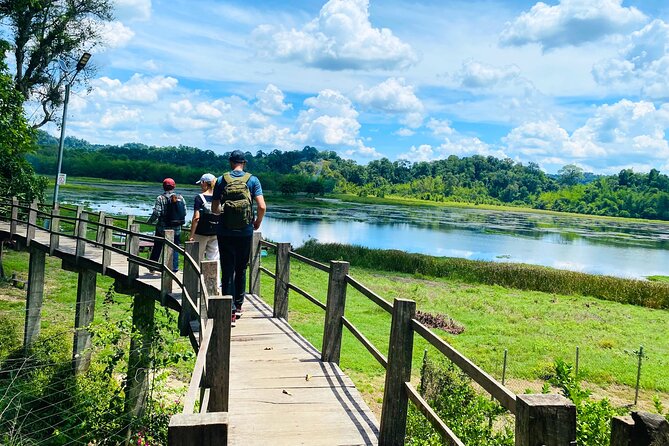
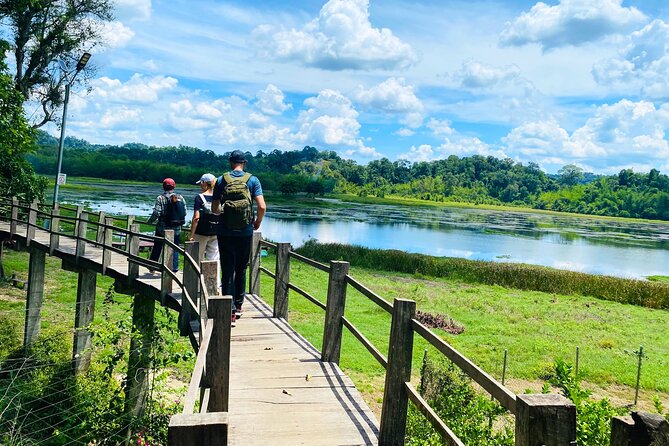
For the international ecologist, the dedicated wildlife trekker, and the seeker of the nation’s quiet, intimate biodiversity, Cát Tiên National Park, a vast, pivotal reserve spanning three Southern provinces, is not merely a jungle retreat. It is the nation’s sacred, unmoving, and most explicit archive of the Southern lowland ecosystem—a sprawling, protected space whose intricate network of ancient trees, seasonal floodplains, and silent rivers compels an immediate, profound sense of reverence and stillness. The experience of trekking here asserts an ultimate, non-negotiable truth: life, in its most vulnerable and beautiful form, demands disciplined patience, silent observation, and a complete submission to the rhythm of the water and the canopy. The air itself is dense with the sounds of hidden life and the immense, quiet power of the undisturbed forest floor.
As specialists in Vietnamese vertical exploration at Vietnam Charm, we invite the global adventurer on an essential, detailed journey to decode this profound, intimate epic. We will meticulously analyze the ecological mandate that dictates the park's immense biodiversity and unique swamp terrain, the historical mandate that ties the trails to the ancient Óc Eo civilization, the spiritual discipline required to conquer the terrain through night trekking and silent observation, and the profound way this sanctuary articulates the core national values of ecological humility, disciplined silence, and the fierce, quiet pride of environmental stewardship. Understanding Cát Tiên is essential to grasping the emotional depth and the moral commitment that defines Southern Việt Nam’s ecological soul.
1. The Ecological Mandate: Lowlands, Floodplains, and the Archive of Biodiversity
The entire identity and the unique trekking experience of Cát Tiên are defined by a clear ecological mandate: its pivotal location in the Southern lowlands dictates its immense biodiversity and its dependence on the cyclical floodplains of the Đồng Nai River. The park is functionally an ark of species.
The River's Lifeblood: The Sông Đồng Nai (Đồng Nai River) is the absolute, non-negotiable lifeblood of Cát Tiên. Its seasonal flooding creates vast, intricate seasonal swamp forests—a unique habitat where the park's most ancient trees and endemic wildlife thrive. Trekking here is a journey defined by the water element, often requiring careful navigation across boardwalks, canoes, and temporary bridges, forcing the explorer into an intimate dialogue with the water's unpredictable, life-giving power. The river asserts a primal truth: ecological wealth is a direct function of the water's flow and presence.
The Ancient Sentinels: The park is famous for its towering, immense Cây Tung (Tung Trees) and Cây Gõ (Gỗ Trees)—ancient sentinels whose massive, sprawling root systems (often towering meters above the ground) create an astonishing, humbling architecture. Standing beneath these giant trees is a profound spiritual experience, enforcing a visceral sense of human insignificance and the slow, relentless continuity of biological deep time. The primeval size of the forest is the Earth’s quiet, humbling declaration that it existed before human memory and must be preserved for future generations.
2. The Historical Mandate: Óc Eo, Ancient Sanctuary, and the Spiritual Heart
Cát Tiên holds a deep, often overlooked historical and spiritual mandate, consecrated by the presence of significant archaeological sites linked to the ancient Óc Eo civilization and other indigenous groups. The forest is not merely wild; it is a historical sanctuary.
The Archive of the Earth: Archaeological discoveries within the park suggest that the area was historically a cultural and spiritual center for pre-Angkorian civilizations. The jungle, with its protective density and remote location, effectively served as an unmoving archive, preserving the historical record of these ancient, water-based societies. Trekking the deep, quiet interior is a non-verbal covenant with this buried history, moving across ground that has been continuously inhabited and spiritually revered for millennia. The journey becomes a pilgrimage of ancestral recognition and historical fidelity.
The Forest as Spiritual Refuge: The remote location and the forest’s density ensured that the region remained a spiritual refuge for various indigenous groups, including the S'tiêng and Mạ peoples. Their enduring knowledge of the forest, their spiritual reverence for its energy, and their traditional way of life are the ultimate, living testament to the fact that cultural resilience is intrinsically linked to ecological intimacy. The quiet discipline of the trekker is an act of respect for the ancestral guardians of the park's profound history.
3. The Trekking Challenge: Silence, Wildlife, and the Night Encounter
The trekking experience in Cát Tiên presents a unique physical and psychological challenge—a rigorous test of disciplined silence, slow observation, and the surrender to the rhythms of the nocturnal world.
The Discipline of Silence: Unlike mountain treks that demand loud, continuous effort, the lowland jungle trek demands absolute silence and humility to maximize the chance of wildlife encounters (including the Javan Rhino, Asiatic Elephant, and various rare primates). The trekker must adopt a slow, methodical pace, moving with an intense, continuous mindfulness (chánh niệm) to avoid disturbing the immense, hidden life of the forest floor and canopy. The silence itself is the park's most powerful teacher, forcing the mind to slow down and attune itself to the subtle sounds of the wilderness.
The Night Ritual: The night trekking and observation rituals are the emotional and physical climax of the Cát Tiên experience. The surrender to the deep, Southern darkness, combined with the discipline of using minimal light (often a single red lamp), transforms the familiar trail into an intimate, high-stakes encounter with the nocturnal world. Witnessing the immense, glowing eyes of the wild creatures—deer, civets, and possible leopards—is a profound, humbling spiritual moment, affirming the presence and abundance of life hidden from the daylight world. The darkness is the sanctuary where the forest's secrets are revealed.
4. The Conservation Ethic: The Primate, The Crocodile, and the Vulnerability of Life
Cát Tiên functions as a powerful conservation crucible, transforming the journey into an active, high-stakes commitment to protecting the vulnerability of life—a testament to the fierce dedication of its anti-poaching and conservation efforts.
The Sanctuary of Vulnerability: The park is the crucial sanctuary for numerous endemic and highly endangered species, including the Asian elephant and various primates. The presence of vital facilities like the Dão Tiên Endemic Primate Species Centre and the Crocodile Lake (Bàu Sấu) provides the trekker with a direct, palpable connection to the urgent struggle against extinction. The trek becomes a pilgrimage to the vulnerability of life, a non-verbal covenant to support the disciplined effort required to protect the immense biological archive.
The Ethic of Water: The journey to Bàu Sấu (Crocodile Lake) is a necessary reminder of the unique challenges of the Southern ecosystem. The slow, intense journey through the swamp forest culminates in the observation of the Siamese Crocodiles—ancient, powerful reptiles that embody the primal resilience of the swamp. This encounter asserts the ethical mandate that all life, regardless of its beauty or fear, holds equal right to existence, and the park's greatest strength is its protection of this complete, complex biological chain.
5. Conclusion: The Permanent Testament to Quiet Majesty
Cát Tiên National Park is the ultimate, enduring, and hauntingly beautiful testament to the Vietnamese spirit's capacity for ecological intimacy, disciplined silence, and the profound resilience of the lowland ecosystem. It is a wilderness that transforms the surface jungle into a sanctuary of vulnerability and the night into a ritual of hidden encounters. By analyzing the ecological mandate that defined the immense biodiversity of the floodplains, the historical mandate that consecrated its soil with the memory of ancient civilizations, the physical discipline of silent observation and the night trek, and the spiritual encounter with the immense, ancient trees, the observer gains access to a core, luminous truth: Cát Tiên is far more than a jungle. It is the permanent, unwavering declaration of the quiet majesty of life—a powerful, quiet assertion that asserts the cultural value of disciplined patience, ecological humility, and the belief that the nation's purest, most profound source of spiritual strength is found in the silent, continuous, and intimate embrace of the untamed, ancient South.
We are on social media
Vietnam Charm belongs to Vietpearl Travel., JSC
Contact:
Email: info@vietnamcharm.top
© 2026. by Vietnam Charm. All rights reserved
Travel license number: 01-827/2020
Refund Policy