Giảm giá hấp dẫn cho tour du lịch!



THE SUBTERRANEAN EPIC: CỦ CHI TUNNELS — DECODING THE ENGINEERING, ENDURANCE, AND THE ART OF HIDDEN SURVIVAL
More than tunnels: exploring the Địa Đạo Củ Chi (Củ Chi Tunnels) as the ultimate architectural and psychological monument to Vietnamese ingenuity, analyzing the profound philosophy of tàng ẩn (concealment), its role as a living, underground city, and its embodiment of disciplined, resilient defiance.
LOCAL EXPERIENCESVIETNAMESE CULTURERESILIENCE & MEMORY
Tobin Nguyen
11/6/20256 phút đọc
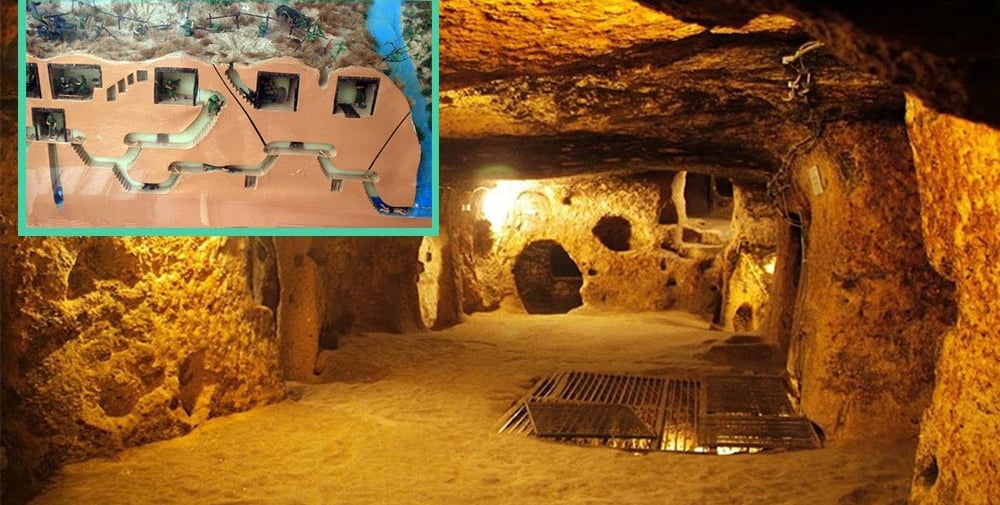
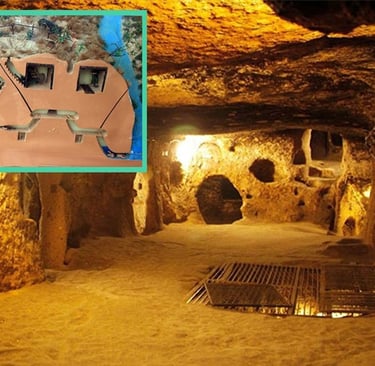
For the international military historian, the engineer, and the seeker of profound human endurance, the Địa Đạo Củ Chi (Củ Chi Tunnels)—a vast, intricate, multi-layered underground network outside Ho Chi Minh City—is far more than a military relic. It is the nation's ultimate architectural and psychological masterpiece —a sprawling, living testament to the capacity of the human spirit to adapt, create, and survive under the most brutal, continuous assault. Củ Chi is defined by a profound, non-negotiable philosophy of concealment and resilience, transforming the humble, soft earth into an unassailable fortress, proving that the deepest strength often resides in the quiet, disciplined ability to disappear. The tunnels are the physical manifestation of an unyielding will, a subterranean epic where every inch of darkness was consecrated to the defense of sovereignty.
As specialists in Vietnamese heritage and profound cultural analysis at Vietnam Charm, we embark on an essential, detailed exploration to decode this engineering marvel and its psychological weight. We will meticulously analyze the environmental mandate that dictated the structure of the tunnels, the structural genius of the multi-layered design and its hydrological systems, the sociological function of the tunnels as a self-sufficient underground society, and the profound way this subterranean epic articulates the core national values of ingenious resourcefulness, disciplined resilience, and the unyielding will to defy overwhelming power. Understanding Củ Chi is essential to grasping the emotional depth and the creative genius of Việt Nam's enduring spirit of resistance.
1. The Environmental Mandate: Earth, Resilience, and the Philosophy of Tàng Ẩn
The genesis and structural sophistication of the Củ Chi Tunnels are rooted in a clear environmental and strategic mandate: the absolute necessity of turning the seemingly vulnerable, pliable earth of the tropical forest into an unbreakable, invisible defense against continuous air power and mechanized assault. This strategic choice was an act of profound intellectual rebellion against conventional warfare.
The supreme strategic principle governing the entire network was the philosophy of tàng ẩn (concealment). Recognizing the enemy's massive superiority in firepower, air control, and mobility, Vietnamese forces adopted a strategy that relied on disappearance, sustained surprise, and strategic invisibility. The tunnels were the architectural realization of this principle. The dense jungle canopy provided immediate visual cover, while the pliable, laterite-rich soil of the Củ Chi area—being both relatively easy to dig with hand tools and stable enough to hold its shape for decades—provided the perfect canvas for the massive network to be constructed by hand with minimal collapse. This reliance on manual labor, in fact, became a strength; it allowed for minute, intricate adjustments to the tunnel's path, size, and camouflage that no mechanized construction could achieve.
The critical, defining architectural feature of Củ Chi was the invisible entry point. The small, square, meticulously camouflaged entrance hatches (cửa hầm) were the ultimate expression of the tàng ẩn philosophy. These hatches, often covered with a hinged layer of earth and dead leaves, were designed to be virtually imperceptible to the human eye, to mechanical sensors, and, most crucially, to the enemy's relentless tracking dogs. The entrances served as the psychological boundary between the brutal, chaotic reality of the surface war and the disciplined, ordered sanctuary of the underground. This profound strategic reliance on the natural element—the earth itself—as the primary line of defense transformed the land from a passive stage into an active, powerful ally in the fight for sovereignty, powerfully affirming the core Vietnamese strategic principle of utilizing the indigenous environment to overcome foreign technological advantage. Củ Chi proved that in war, the greatest advantage can be the simple, quiet ability to vanish.
2. The Structural Genius: Layering, Hydro-Engineering, and the Underground City
The Củ Chi Tunnels were not a series of crude foxholes; they were an immense, complex masterpiece of subterranean hydro-engineering, functioning as a self-sufficient, multi-layered city designed for prolonged, total survival and continuous, integrated combat. Every meter of the estimated 250 kilometers of tunnels was a testament to disciplined, resourceful genius.
The structural brilliance lay in its vertical layering and inherent architectural redundancy. The network was meticulously planned and often built on three distinct levels, reaching depths of up to ten meters below the surface, with each level serving a precise, non-negotiable function and providing essential, layered protection against both surface bombardment and enemy tunneling attacks:
First Layer (Shallow): Used primarily for quick combat access, surprise attack positions, and the initial layer of defense and communication.
Second Layer (Intermediate): The core living area, housing hospitals, sleeping quarters, classrooms, and command posts, protected from lighter attacks.
Third Layer (Deepest): The vital sanctuary, used for deep shelter, secure storage of critical supplies, weapons, and protection against the heaviest aerial bombardment, often dug below the water table's minimum depth.
The most vital, and often least visible, engineering challenge was ventilation and hydrological management. The entire system relied on an intricate network of small, ingenious, and perfectly camouflaged air vents hidden among natural elements like anthills, termite mounds, and dense foliage. These vents were essential for maintaining a continuous flow of breathable air without betraying the network's existence. Furthermore, engineers incorporated water management techniques—strategically placed sumps, sloped floors, and specialized drainage sections—to manage groundwater intrusion and maintain the tunnels' structural integrity during the monsoon season. Củ Chi was not merely an underground maze; it was an engineered environmental counter-weapon, meticulously designed to defeat air power with ingenuity, and to defeat flooding with patient, local knowledge.
3. The Sociological Function: Discipline, Self-Sufficiency, and the Forging of the Collective Soul
Life within the immense, claustrophobic expanse of the Củ Chi Tunnels served a profound sociological function, operating as a disciplined, self-sufficient, and highly cohesive underground society where individual survival was absolutely dependent on the unwavering collective effort. The darkness was a forge for the national soul.
Survival mandated an extreme, constant regime of discipline, self-control, and absolute silence. Activities essential for human and political life—cooking, sleeping, holding political meetings, performing complex surgery, and even printing propaganda—were all conducted in darkness, often in conditions of intense heat, high humidity, and profound physical confinement. This environment served as a furnace for forging a unified, unbreakable psychological bond among the inhabitants. Every individual's unwavering adherence to the rules of silence, conservation of supplies, and camouflage was absolutely critical for the survival of the entire group. The tunnels became a direct, physical instantiation of tính kỷ luật tập thể (collective discipline).
The tunnel system was a functioning underground self-sufficient city. It contained specialized facilities: kitchens (with ingenious exhaust vents that dispersed cooking smoke thinly across the surface to prevent detection), detailed hospitals, functional sleeping areas, classrooms, theaters for cultural performance, and armament factories for continuous weapon maintenance and repair. The ability of the populace to sustain a complex, organized society entirely beneath the surface, while simultaneously engaging in continuous, highly effective combat above, is the ultimate testimony to the resilience of the Vietnamese collective spirit. The structure ensured that even when physically driven underground, the essential framework of social, political, and cultural life remained operational, unbroken, and fiercely defiant.
4. The Psychological Warfare: The Power of the Unseen and Unbowed Will
The Củ Chi Tunnels were arguably the ultimate weapon of psychological warfare, serving as an enduring, horrifying symbol of the unyielding human will against the arrogance of overwhelming technological might.
For the enemy, the tunnels became a source of intense terror, frustration, and debilitating psychological drain. The inability to locate or destroy the unseen foe—who could seemingly vanish and reappear at will, striking with surgical precision—created an atmosphere of paranoia, helplessness, and profound existential doubt. The tunnels were the physical manifestation of an unbeatable, defiant will, demonstrating that sheer force, massive logistical power, and technological superiority were ultimately meaningless against a determined, resourceful, and deeply connected people. The small, seemingly innocuous camouflaged hatch, which required immense human discipline to operate, was the final, non-negotiable line of defense against the most powerful weapons in the world.
For the Vietnamese forces and populace, the tunnels provided a crucial sense of spiritual and physical sanctuary. Knowing that the earth itself was their ally, that their survival was rooted in their own collective ingenuity, provided a powerful, constant psychological boost. Củ Chi is the physical, undeniable proof that courage and cleverness are the ultimate, enduring technologies—a permanent testament to the core belief that disciplined human will, when united and deeply connected to its land, can literally move the earth, survive the seemingly impossible, and ultimately achieve victory. The epic of Củ Chi asserts that the true, unbowed spirit is one that knows how to disappear and yet remain omnipresent.
5. Conclusion: The Permanent Testament to Ingenuity
The Địa Đạo Củ Chi (Củ Chi Tunnels) are the ultimate, enduring, and tangible monument to Vietnamese resilience, creative adaptation, and unyielding national will. It is a work of engineering that transformed a strategic weakness into an ultimate, decisive strength. By analyzing the environmental mandate of concealment, the structural genius of the multi-layered underground city, the sociological function of collective discipline, and the profound psychological power of disappearing into the earth, the observer gains access to a core, luminous truth: Củ Chi is far more than history. It is the permanent, unwavering testament to ingenious endurance—a powerful, structural declaration that asserts the cultural value of disciplined resilience, inventive resourcefulness, and the profound belief that the human spirit, when united and fiercely connected to its land, can survive and overcome the technological might of any foe. The Củ Chi Tunnels remain the silent, powerful engine of the nation's memory and pride.
We are on social media
Vietnam Charm belongs to Vietpearl Travel., JSC
Contact:
Email: info@vietnamcharm.top
© 2026. by Vietnam Charm. All rights reserved
Travel license number: 01-827/2020
Refund Policy