Giảm giá hấp dẫn cho tour du lịch!


THE WATER RACE: DRAGON BOAT FESTIVAL — DECODING RHYTHM, COLLECTIVE SOUL, AND THE SPIRITUAL CONTEST ON THE RIVER
More than a race: exploring the Lễ Hội Đua Thuyền (Dragon Boat Festival) as Việt Nam’s ultimate communal ritual of energy and devotion, analyzing the profound mandate of perfect synchronization, the sacred symbolism of the Dragon Vessel, and its embodiment of unyielding collective energy and ancestral maritime memory.
VIETNAMESE CULTURELOCAL EXPERIENCESRESILIENCE & MEMORY
Tobin Nguyen
11/8/20256 phút đọc
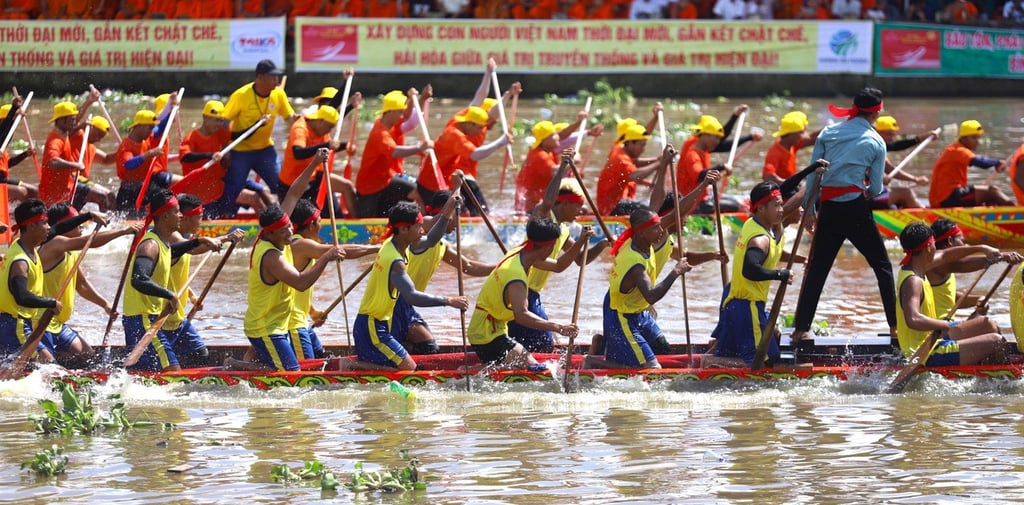
For the international anthropologist, the student of ritual, and the seeker of the nation’s deepest physical and spiritual pulse, the Lễ Hội Đua Thuyền (Dragon Boat Festival)—a spectacle of immense power, rhythmic drumming, and synchronized human effort across the nation’s rivers and coastlines—is far more than a sporting event. It is the nation’s supreme, most intense spiritual contest, a collective, high-stakes ritual that transforms the unpredictable water medium into a temporary, disciplined arena for the affirmation of communal unity, ancestral reverence, and the primal plea for prosperity. The boat race is defined by a non-negotiable principle: individual strength is meaningless; only perfect, sacrificial synchronization can move the sacred dragon vessel toward its destiny. The event is a raw, visible expression of đoàn kết (unity) applied to the extreme limits of human physical endurance.
As specialists in Vietnamese heritage and profound cultural analysis at Vietnam Charm, we embark on an essential, detailed exploration to decode this lyrical, rhythmic saga. We will meticulously analyze the cosmological mandate that dictates the ritual (the Cầu Nước plea for rain), the architectural genius of the synchronization (the Drummer as the collective heartbeat), the sociological mandate that elevates the race to an ultimate test of village pride, and the profound way this intense riverine ritual articulates the core national values of disciplined unity, physical courage, and the spiritual conviction that collective effort dictates fate. Understanding the Dragon Boat Festival is essential to grasping the emotional heart and the fierce, rhythmic soul of Việt Nam’s water civilization.
1. The Cosmological Mandate: Lễ Cầu Nước and the Negotiation with the River
The genesis and the profound scheduling of the Dragon Boat Festival are rooted in a clear cosmological mandate: the spiritual and existential necessity of negotiating with the water deities (Thần Nước) for the timely and benevolent provision of rain and the guarantee of a successful harvest. The race is fundamentally a Lễ Cầu Nước (Water-Seeking Ritual).
The festivals are typically held during Xuân (Spring) or Đầu Hè (Early Summer), coinciding with the crucial planting and growing season of the rice cycle, when the need for timely rain is paramount. The fierce competition, the intense physical exertion, the loud rhythmic drumming, and the subsequent collective energy are all essential, calculated tools designed to generate the maximum possible spiritual energy (Khí), ensuring that the plea is sufficiently potent to be heard by the celestial powers and the local river spirits. The race is a collective spiritual offering—a sacrifice of physical effort and endurance aimed at persuading the deities to grant their essential blessing.
The River or Sea itself is not merely the racing medium; it is the sacred stage of the negotiation. By successfully navigating the waters, the community ritually affirms its mastery over the element (through disciplined collective effort) and its humility before its power (through the solemn offerings made before the race). This synchronization of physical labor with spiritual petition ensures that the festival remains a continuous, high-stakes covenant with the essential forces that govern agrarian life. The victory is not just a trophy; it is a prophetic spiritual affirmation of the coming year’s prosperity.
2. The Architecture of Synchronization: The Drummer, The Heartbeat, and Collective Will
The ultimate strategic and artistic power of the Dragon Boat Festival lies in the architectural genius of its synchronization—a physical and psychological system where the collective result is entirely dictated by the perfect, disciplined alignment of individual wills. The boat is transformed into a single, cohesive organism whose heart is the drum.
The Drummer (Người Đánh Trống): The figure seated at the bow, beating the large drum, is not a simple timekeeper; they are the absolute commander and the physical embodiment of the collective will. The drumbeat is the boat's unwavering heartbeat—the source of its kinetic energy, its pace, and its psychological resilience. The rhythm dictates the moment the paddles enter and leave the water, ensuring perfect, simultaneous propulsion. The drummer’s intense focus, their ability to increase the tempo for a final, desperate push, and their non-verbal communication with the rowers is the most critical function of the entire race. The drummer is the leader who commands the souls and bodies of the collective.
The Helmsman (Người Lái): The figure at the stern, steering the vessel, embodies wisdom, experience, and disciplined navigational knowledge. Their role is to ensure the straight, efficient path of the dragon vessel, neutralizing the unpredictable chaos of the river's current and the waves generated by the competition. The helmsman is the anchor of lý trí (reason) against the rowers' cảm xúc (emotion).
The Rower (Người Chèo): The individual rower’s immense physical pain and singular effort must be entirely subordinated to the collective rhythm. Their power is only realized when their paddle enters and leaves the water in absolute, disciplined unison with the dozens of others. The race is a profound, grueling lesson in the Vietnamese philosophy of đoàn kết (unity): the failure of one rower's discipline immediately fractures the energy and compromises the entire collective effort.
3. The Sacred Vessel: Symbolism, Ancestry, and the Dragon’s Power
The vessel itself—the Thuyền Rồng (Dragon Boat)—is not a simple piece of sports equipment; it is a sacred, highly symbolic artifact that transforms the competition into a spiritual and ancestral quest.
The dragon motif is non-negotiable. The boat's bow is meticulously carved and painted as the majestic head of the Dragon (Rồng)—the most powerful, auspicious creature in Vietnamese cosmology, symbolizing celestial power, control over the water, and national sovereignty. By rowing the Dragon Boat, the community ritually assumes the Dragon's power, asserting their right to traverse and utilize the water medium with the blessing of the highest spiritual forces. The boat is literally a vessel of national and ancestral pride.
Before the race, the dragon boats are subjected to solemn, detailed rituals of consecration (lễ cúng)—offerings are made, incense is lit, and the boat is symbolically "awakened," requesting the Dragon's spirit to enter the vessel and guide the crew to victory and safety. The outcome of the race is thus often interpreted as a divine omen—a sign of the ancestors' favor and the spiritual health of the entire village or region. The boat is the physical meeting point of the community's disciplined effort and its deep spiritual faith.
4. The Sociological Crucible: Village Pride, Shared Catharsis, and the Test of Will
The Dragon Boat Festival is the ultimate sociological crucible—a high-stakes, public test that transforms the physical output of the community into a definitive, visible measure of its pride, discipline, and collective will.
The victory of a boat is immediately translated into the spiritual and social honor of the entire village or district it represents. The race is a profound, emotional declaration of regional strength and unity. The immense pressure and pride placed on the rowers ensure that their effort transcends simple athletic competition; it is a sacrificial, public duty performed for the honor of their ancestors, their community, and their identity. The entire population gathers on the banks of the river, their collective shouts and cheers acting as a continuous, vital source of psychological energy that pushes the rowers past the limits of physical pain.
The post-race experience is one of shared, intense emotional catharsis. Whether in the elation of victory or the dignity of loss, the community processes the profound physical exhaustion and the high emotional stress together. The festival asserts a crucial psychological truth: the collective energy, the shared rhythm, and the profound discipline applied to the common goal are what truly matter. The collective participation—the shared breath, the synchronized stroke, the unified shout—reaffirms the core belief that the individual is perfected only through disciplined submission to the collective soul.
5. Conclusion: The Permanent Testament to Rhythmic Unity
The Lễ Hội Đua Thuyền (Dragon Boat Festival) is the ultimate, enduring, and powerful testament to the Vietnamese spirit's capacity for disciplined unity, physical courage, and spiritual integrity. It is a ritual that transforms the unpredictable water medium into a sacred arena for the affirmation of national will. By analyzing the cosmological mandate (Cầu Nước ritual), the architectural genius of the synchronization (the Drummer's heartbeat), the sacred symbolism of the Dragon Vessel, and the high-stakes sociological test of village pride, the observer gains access to a core, luminous truth: the race is far more than sport. It is the permanent, unwavering declaration of rhythmic unity—a powerful, sensory assertion that asserts the cultural value of perfect discipline, self-sacrificial effort, and the belief that the nation's spiritual and physical strength is eternally secured by the synchronized, powerful, and unyielding pulse of the collective heart.
We are on social media
Vietnam Charm belongs to Vietpearl Travel., JSC
Contact:
Email: info@vietnamcharm.top
© 2026. by Vietnam Charm. All rights reserved
Travel license number: 01-827/2020
Refund Policy