Giảm giá hấp dẫn cho tour du lịch!



THE WATER'S IRON WILL: WATER WARS — DECODING THE NAVAL STRATEGY, RIVERINE GENIUS, AND THE HISTORICAL DEFIANCE OF VIỆT NAM
More than battles: exploring Lịch Sử Chiến Trận Trên Sông và Biển (The History of Water Wars) as Việt Nam’s ultimate strategic narrative, analyzing the profound genius of riverine ambush, the symbolic power of the Bạch Đằng Victory, and the embodiment of resourceful, enduring defiance against naval supremacy.
VIETNAMESE CULTURETHE WATER CIVILIZATIONLOCAL EXPERIENCES
Tobin Nguyen
11/8/20255 phút đọc
For the military strategist, the historian, and the observer of geopolitical endurance, the history of Việt Nam's conflicts is inseparable from the mastery of water. The rivers, estuaries, and coastline are not merely boundaries; they are the nation's ultimate strategic weapon—a vast, fluid battlefield utilized by Vietnamese generals for millennia to neutralize the overwhelming naval superiority of foreign invaders. This mastery, born from profound environmental literacy and ingenious adaptation, is the single most powerful, continuous thread in the nation's military legacy. The water here is not passive; it is an active, formidable ally in the defense of national sovereignty, often turning the enemy’s strength—their ships—into the very instrument of their catastrophic defeat.
As specialists in Vietnamese heritage and profound cultural analysis at Vietnam Charm, we embark on an essential, detailed exploration to decode this flowing narrative of strategic defiance. We will meticulously analyze the environmental mandate that forced the focus onto riverine warfare, the profound strategic genius of the iconic Bạch Đằng River Battles, the geopolitical function of the coastal ports as defensive chokepoints, and the enduring way this water-based warfare articulates the core national values of resourcefulness, strategic cunning, and the unyielding will to defy overwhelming power. Understanding these water wars is essential to grasping the core mechanisms of national survival and the fierce spirit of Vietnamese military genius.
1. The Environmental Mandate: Rivers as Strategic Chokepoints
The foundation of Vietnamese military strategy lies in an unrelenting environmental mandate: the rivers, particularly the vast, alluvial estuaries of the Sông Hồng (Red River) and the Sông Bạch Đằng (Bạch Đằng River), are the nation's essential strategic chokepoints. They dictate the movement, logistics, and ultimate fate of any large-scale invading force.
Historically, foreign invasions from the North relied almost entirely on naval and logistical superiority, utilizing massive fleets to transport troops and supplies deep into the Red River Delta—the heart of the ancient Vietnamese state. The invaders' strength lay in their ships and their mastery of the open sea. Vietnamese strategy, therefore, focused entirely on negating this naval advantage by drawing the powerful fleets into the narrow, shallow, and tide-dependent estuaries of the river delta.
The river estuary, in this context, becomes the perfect strategic trap. The complex, changing flow of the water, the shifting alluvial sandbanks, and the immense difference between high and low tide—all elements of the natural environment—are transformed into active military allies. This environmental literacy is the primary strategic weapon, allowing Vietnamese generals to turn the river's complexity into a fatal ambush. The river is thus the ultimate logistical Achilles' heel for any foreign power attempting to use naval might against the Vietnamese heartland.
2. The Zenith of Genius: The Bạch Đằng River Trilogy (938, 981, 1288)
The ultimate, most profound expression of Vietnamese military genius and the mastery of water is the Trilogy of Battles on the Bạch Đằng River—three separate, decisive victories (in the years 938, 981, and 1288) that fundamentally secured the nation’s independence and established the river as the sacred, permanent monument to defiance.
The strategic genius, attributed most famously to Ngô Quyền (938) and Trần Hưng Đạo (1288), lay in the meticulous, sophisticated utilization of the tide and the terrain:
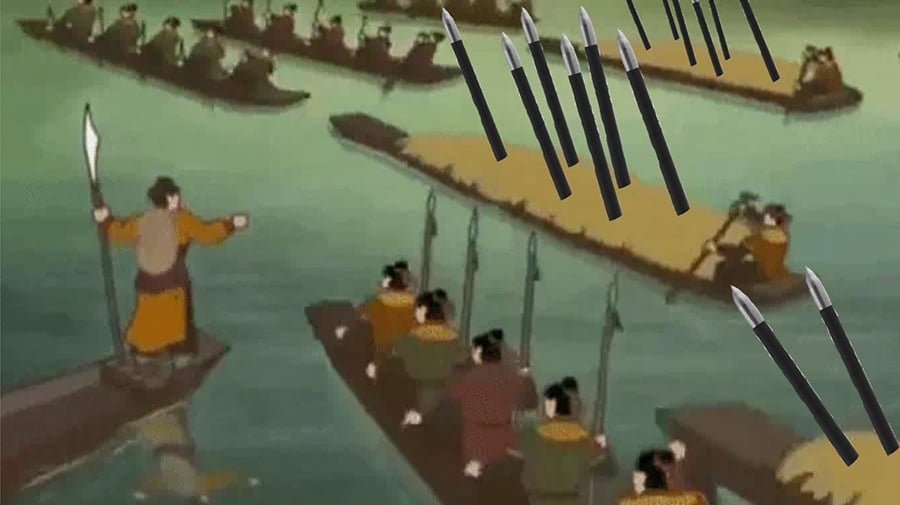
The Iron-Tipped Stakes: The essence of the trap was the strategic, hidden placement of thousands of iron-tipped wooden stakes (cọc gỗ) deep into the riverbed in narrow, critical chokepoints of the estuary. The stakes were cut to precisely match the height of the low tide, remaining perfectly concealed beneath the water at high tide.
The Amubsh and Decoy: Vietnamese forces would engage the enemy fleet at high tide, using smaller, more maneuverable boats to draw the massive, heavy foreign ships far upriver, directly over the hidden stakes.
The Retreat and Destruction: As the tide abruptly receded, the massive foreign ships—trapped by the immense weight of the water—would be impaled, trapped, and immobilized by the emerging stakes, rendering them immobile and vulnerable.
This strategy was a profound act of technological reversal. It transformed the enemy's strength (their large, deep-draft ships) into their fatal weakness, utilizing the most ancient, reliable force—the tide—to achieve a catastrophic victory. The Bạch Đằng River is not merely a historical site; it is the permanent, flowing archive of Vietnamese strategic cunning and the fierce will to secure sovereignty.
3. Coastal Defense and the Geopolitical Chokepoints
Beyond the riverine traps, Vietnamese military strategy continuously relied on the coastal and port geography to create unassailable geopolitical chokepoints that channeled and contained foreign naval power.
Ports and estuaries like Vân Đồn (North) and Thị Nại (Central Coast) were never viewed solely as centers of commerce; they were primary targets for naval defense and pre-emptive ambush. The strategy demanded intimate knowledge of the coastal topography—the hidden coves, the narrow, shallow channels, and the sudden, unpredictable storms. The defense was often built around decentralized, highly mobile fleets of smaller, faster boats, designed to outmaneuver the massive, slow-moving invasion fleets in the complex coastal environment.
This focus on the mastery of the immediate local terrain stands as a profound testament to the nation’s tactical superiority. Vietnamese generals used their deep environmental literacy to transform geographical features—from the hidden protection of the Hạ Long Bay karsts to the complexity of the Mekong Delta’s channels—into active, formidable defenses. The coast was viewed as a fluid, complex shield, and the ability to fight effectively in the tidal zone was the non-negotiable prerequisite for national survival. The sea was the ultimate school of military strategy.
4. The Human Element: Resilience, Resourcefulness, and the Naval Soul
The success of the water wars is ultimately rooted in the profound resourcefulness, resilience, and unique naval soul forged by generations of living in an aquatic civilization. The strategy relied not just on genius, but on the enduring courage of the common sailor and soldier.
Vietnamese forces achieved victory by utilizing the human element as the decisive factor. The soldiers and sailors, drawn from the coastal and riverine communities, possessed a non-negotiable, primal intimacy with the water, giving them an immense advantage over foreign land-based troops. Their courage was quiet, focused, and deeply pragmatic, rooted in the daily struggle against the elements—a courage that transcended political ideology.
The key to the success lay in disciplined, collective synchronization. The execution of the Bạch Đằng strategy, for example, required thousands of soldiers to work in perfect, secret unison to place the stakes, maintain the decoy, and execute the final, synchronized attack at the precise moment the tide shifted. This synchronization transformed the individual soldier's effort into a single, cohesive, and overwhelming military force—a living, fluid manifestation of đoàn kết (collective unity) and strategic discipline. The courage was not reckless; it was a disciplined, surgical deployment of human effort against the logistical weakness of the foe.
5. Conclusion: The Permanent Testament to Strategic Genius
The history of Việt Nam's water wars is the ultimate, enduring, and powerful testament to the nation's profound strategic genius, resourcefulness, and unyielding will to secure its sovereignty. It is a chronicle that transforms the fluid, natural environment into the most formidable of weapons. By analyzing the environmental mandate that created the riverine chokepoints, the profound, unrepeatable genius of the Bạch Đằng strategy, the geopolitical function of the coastal defenses, and the disciplined, quiet courage of the human element, the observer gains access to a core truth: the water wars are far more than military history. They are the permanent, unwavering declaration of strategic defiance—a powerful, emotional saga that asserts the cultural value of disciplined cunning, intimate environmental literacy, and the belief that the nation's most effective defense is eternally rooted in its capacity to master and honor the powerful, life-giving, and unforgiving river. The quiet flow of the water remains the deepest, most resilient artery of the Vietnamese spirit.
We are on social media
Vietnam Charm belongs to Vietpearl Travel., JSC
Contact:
Email: info@vietnamcharm.top
© 2026. by Vietnam Charm. All rights reserved
Travel license number: 01-827/2020
Refund Policy