Giảm giá hấp dẫn cho tour du lịch!

THE WATERY LABYRINTH: MEKONG DELTA — DECODING THE RESILIENT LIFE AND THE PHILOSOPHY OF LIVING WITH THE FLOOD
More than a riverbed: exploring the Mekong Delta as Việt Nam's ultimate fluid civilization, analyzing the profound philosophy of "living with the flood," its role as the nation's rice bowl, and its embodiment of self-reliance, fluidity, and absolute environmental intimacy.
VIETNAMESE CULTURETHE WATER CIVILIZATIONLOCAL EXPERIENCES
Tobin Nguyen
11/8/20255 phút đọc
For the international visitor, the Đồng bằng Sông Cửu Long (Mekong River Delta) presents a world where the boundary between land and water is perpetually blurred—a sprawling, emerald labyrinth of rivers, canals (kênh rạch), and rice paddies stretching to the horizon. This region, known in Việt Nam as the River of Nine Dragons (Sông Cửu Long), is far more than a geographical feature; it is the nation's supreme agricultural and logistical engine, and the crucible where a unique, resilient culture was forged. The Delta civilization is defined by a fundamental, non-negotiable philosophy of adaptability—a human commitment to cooperate with the immense, unpredictable power of the river rather than attempt to conquer it.
As specialists in Vietnamese heritage and profound cultural analysis at Vietnam Charm, we embark on an essential, detailed exploration to decode this aquatic mastery. We will meticulously analyze the geographical imperative that dictated water-based existence, the sociological structure that evolved from the flood cycle, the economic genius of its floating markets and agricultural innovation, and the profound way this fluid environment articulates the core values of self-reliance, community cohesion, and the intimate, essential connection between the Southern people and the relentless forces of nature. Understanding the Mekong Delta is essential to grasping the core mechanisms of Southern Vietnamese life and its resilient spirit.
1. The Geographical Imperative: Fluidity, Fertility, and the Cycle of Life
The unique culture and economy of the Mekong Delta are a direct, logical, and ingenious response to its specific low-lying, fluvial geography. This geography dictates the rhythm of life, the architecture of the home, and the very structure of the economy.
The region is an immense, vast floodplain, often barely above sea level, making it susceptible to the continuous influx of water from two powerful, opposing forces: the Mekong River’s annual flood (mùa nước nổi) and the tidal penetration of the South China Sea. This constant fluidity makes large-scale, fixed infrastructure (like roads and massive bridges) difficult and economically unsustainable. The necessity for reliable movement and commerce immediately elevates the waterway (kênh rạch) to the status of the primary logistical infrastructure—the highway, the marketplace, and the communal center. The boat (ghe/thuyền) becomes the indispensable, multi-functional tool of survival.
Crucially, the annual mùa nước nổi (floating season) is not viewed as a disaster; it is considered a blessing and a necessity. The floodwaters bring an immense, vital supply of alluvial sediment (silt), which naturally fertilizes the vast rice fields, guaranteeing the region's status as the Rice Bowl of Việt Nam. The floods also replenish the fisheries, making the river both the farmer and the fisherman. This cyclical dependency on the water fosters the Delta's defining philosophical commitment: the people do not fight the river; they live in resilient harmony with its unpredictable, life-giving cycles.
2. The Philosophy of Adaptation: Living with the Flood and Elevated Architecture
The Mekong Delta's defining philosophical commitment is encapsulated in the concept of "Sống Chung Với Lũ" (Living with the Flood). This philosophy mandates a structural, psychological, and architectural commitment to flexibility and adaptation.
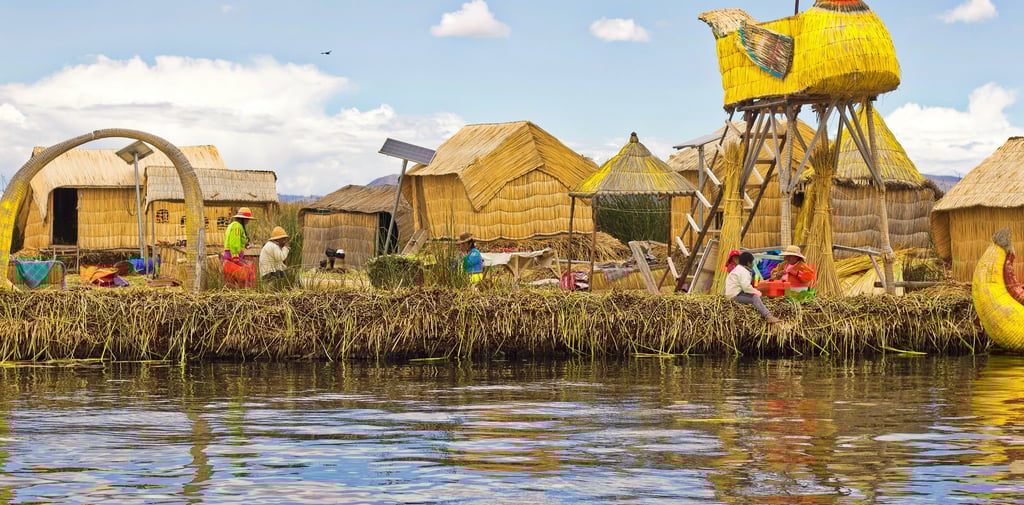
This commitment is most visible in the region's vernacular architecture. Homes are traditionally built as Nhà Sàn (Stilt Houses) or on floating pontoons, raising the living floor above the predictable high-water mark of the floating season. This elevation ensures continuous safety and structural integrity, symbolizing the residents' acceptance of the water's power. The space beneath the house (gầm nhà) is left open, allowing the floodwaters to flow freely beneath the structure, preventing damage and allowing the inhabitants to remain in place during the flood cycle. This is architecture as a direct, pragmatic expression of environmental cooperation.
Psychologically, the philosophy of "living with the flood" instills a profound sense of patience, fatalism, and resourcefulness. The Delta people possess an intimate, generations-old knowledge of the water's rhythm—when to plant, when to harvest, and when to move—a knowledge that is essential for survival. This environmental literacy fosters an adaptable, easy-going temperament, prioritizing flexible problem-solving over rigid planning, a cultural trait that distinguishes the Delta people within the national psyche. The constant fluidity of the environment shapes a society that values the continuous flow of life and resists fixed, immovable structures.
3. The Economic Genius: Floating Markets and the Aquatic Supply Chain
The waterways are the absolute economic arteries of the Delta, and the entire logistical supply chain is structured around the unique, hyper-efficient system of Chợ Nổi (Floating Markets).
The floating markets—such as the celebrated Cái Răng Market near Cần Thơ—are not quaint tourist spectacles; they are the essential, high-volume, wholesale logistical hubs that connect millions of decentralized farmers and fruit orchards to the wider national economy. The market's infrastructure is the boat itself. Farmers use their ghe (large cargo boats) as their dock, warehouse, and retail space simultaneously, moving their goods efficiently from the field directly onto the waterway. This system is fundamentally decentralized and highly specialized, allowing immense volumes of fresh rice, fruit, and produce to be moved with minimal need for costly, land-based storage or road infrastructure.
The ingenious advertising system of the floating market—the Cây Bẹo (Advertising Pole)—is the symbol of this aquatic efficiency. Wholesalers attach the specific product they are selling (a pineapple, a pumpkin, a bunch of bananas) to the long pole fixed to their boat’s mast. This simple, visual semaphore system allows buyers to instantly identify the boat’s inventory from a long distance, minimizing traffic congestion and maximizing transactional speed. This reliance on the water ensures that the Delta remains the most logistically flexible and resourcefully self-reliant agricultural region in the nation.
4. The Sociological Fabric: Waterway Life and the Intimacy of the Kênh Rạch
Life in the Mekong Delta is defined by an absolute intimacy with the water. The pervasive presence of the kênh rạch (canals and tributaries) dictates the social fabric, the family structure, and the communication patterns of the community.
The kênh rạch are the communal streets of the Delta. Children learn to swim and paddle boats before they learn to walk long distances. Neighbors communicate across the water, and the riverbank is the primary communal space for washing, drawing water, and exchanging local news. The sense of community cohesion is established by the necessity of mutual aid on the water—helping to pull a stuck boat, sharing information about currents, or assisting during the annual flood. This shared, fluid environment fosters a deep sense of collective responsibility that binds the community together.
The cultural aesthetic of the Delta reflects this intimacy: the use of bright, bold colors on the commercial ghe and thuyền—designed to be seen across the vast, shining expanse of the water—contrasts with the soft, flowing melodies of the Đờn Ca Tài Tử (Southern Chamber Music), which often echoes across the tranquil waters in the evening. The Delta's spirit is thus characterized by its warmth, fluidity, and unadorned emotional honesty, qualities forged by the continuous presence of the immense, life-giving river.
5. Conclusion: The Permanent Tone of Fluid Resilience
The Mekong Delta is the ultimate, enduring masterpiece of human adaptation and hydrological engineering. It is a fluid civilization that transforms the challenge of water into a source of immense agricultural and economic wealth. By analyzing the structural necessity of "living with the flood," the philosophical commitment to resilience, the ingenious logistics of the floating markets, and the sociological intimacy dictated by the kênh rạch, the observer gains access to a core truth: the Delta is far more than an agricultural region. It is the permanent, unwavering tone of fluid resilience—a powerful, living declaration that asserts the cultural value of cooperation with nature, self-reliance, and the belief that the strongest, most enduring forms of civilization are those built not on rigid, immovable foundations, but on the principles of continuous, graceful adaptation. The life-giving water of the Nine Dragons continues to shape the deepest, most adaptable soul of Southern Việt Nam.
We are on social media
Vietnam Charm belongs to Vietpearl Travel., JSC
Contact:
Email: info@vietnamcharm.top
© 2026. by Vietnam Charm. All rights reserved
Travel license number: 01-827/2020
Refund Policy