Giảm giá hấp dẫn cho tour du lịch!


The Zen of Vietnamese Cuisine: A Look at the Nation’s Vibrant Vegetarian Tradition — Where Spirituality Meets Culinary Creativity
A profound journey into plant-based artistry: exploring how Buddhist philosophy shapes Việt Nam’s extraordinary vegetarian cuisine, offering flavor complexity and creativity that transcends mere meat substitutes.
LOCAL EXPERIENCESFOODS
Tobin Nguyen
11/1/20255 phút đọc
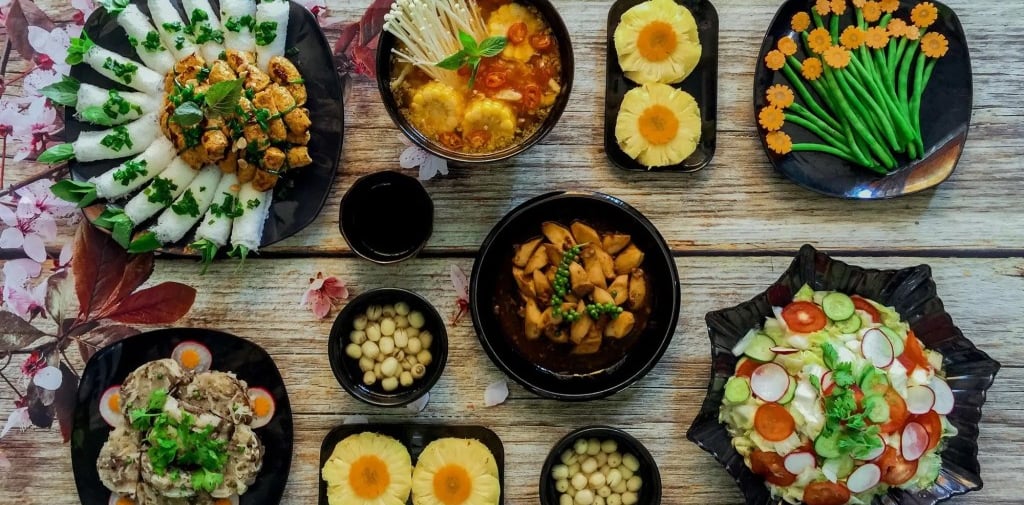
For many Western travelers, the initial encounter with Vietnamese cuisine is often defined by the robust, savory flavors of fish sauce, aromatic grilled meats, and pungent fresh herbs. Yet, hidden within this vibrant and dynamic culinary landscape lies an equally profound and sophisticated gastronomic tradition: Món Chay (Vegetarian or strictly Vegan Cuisine). This is not a modern, transient trend or a newly adopted dietary restriction; it is an ancient, deeply embedded cultural practice, a culinary path paved by centuries of Buddhist philosophy and spiritual discipline. Việt Nam’s vegetarian food stands as a powerful testament to culinary ingenuity and creative resourcefulness, transforming humble local ingredients—vegetables, tofu, mushrooms, and various rice products—into complex dishes of surprising depth and exquisite savory satisfaction that completely negate the need for animal protein.
As specialists at Vietnam Charm, we embark on an essential, detailed exploration into the sophisticated world of Món Chay. We will meticulously analyze the spiritual imperative that drives this cuisine, the technical mastery required to replicate intense savory flavors without meat, and the rich array of ingredients that make Vietnamese vegetarianism one of the most vibrant, satisfying, and inventive plant-based traditions in the world. Understanding Món Chay is crucial to understanding the profound spiritual heart that beats subtly yet persistently within Việt Nam’s bustling culinary culture.
I. The Spiritual Imperative: Buddhism, Compassion, and Cultural Necessity
The foundation of Việt Nam’s extensive and creative vegetarian cuisine is unequivocally Buddhism. Introduced to Việt Nam over a thousand years ago, Buddhist tenets, particularly the core principle of non-violence (Ahimsa) and boundless compassion towards all sentient beings, created an immediate and sustained cultural demand for meat-free, pure alternatives in the diet.
The Lunar Calendar and Ritual Fasting
Vegetarianism in Việt Nam is often cyclical, dictated by the Lunar Calendar. While a dedicated segment of the population adheres to a strictly vegetarian diet year-round, vast numbers of Vietnamese citizens observe ăn chay (eating vegetarian) on specific, mandated holy days tied to the lunar cycle, typically on the first day (mùng một) and the fifteenth day (rằm) of the lunar month (the New Moon and the Full Moon). Furthermore, many adhere to an entirely vegetarian diet during major Buddhist festivals (like Vesak or Vu Lan) or for extended periods of spiritual purification before important life events or examinations.
This consistent, widespread cultural requirement for high-quality, delicious meat-free dining over many centuries fostered an unparalleled environment for sustained culinary innovation. Unlike Western traditions where vegetarian food often emerged from modern health or political movements, Vietnamese vegetarianism emerged directly from a spiritual mandate, ensuring it was always seen as essential, respected, and fundamentally integrated into the national diet.
The Role of the Pagoda Kitchen
The traditional heartland and highest standard-bearer of vegetarian cooking remains the chùa (pagoda). Pagoda kitchens, run by dedicated monks and profoundly devout laypeople, meticulously perfected the art of creating seasonal, simple, yet deeply satisfying meatless dishes. Their techniques—utilizing hyper-local, fresh ingredients, maximizing flavor through careful, prolonged seasoning, and emphasizing rich, complex textural variety—have systematically diffused into the wider public sphere, setting an often-unmatched standard for Món Chay restaurants and home cooking across the country.
II. The Culinary Challenge: Mastering Umami and Texture Replication
The primary, technical challenge of any vegetarian cuisine rooted in a highly savory, umami-driven culture like Việt Nam’s is successfully replicating the deep, rich, satisfying flavor typically provided by meat broth or the powerful fish sauce. Vietnamese Món Chay masters have achieved profound technical excellence in this area.
The Foundation of Flavor: Broth, Fermentation, and Fungi
The Master Broth (Nước Dùng Chay): The complexity of a meatless Phở or Bún begins with its broth, which is built from the ground up. Instead of beef or chicken bones, the vegetarian broth is painstakingly simmered for many hours using a rich combination of vegetables and fungi: primarily daikon radish, large carrots, mushrooms (especially shiitake and straw mushrooms), lotus roots, and cabbage or jicama. These ingredients provide a delicate, earthy, and deep sweetness that forms the savory foundation.
The Umami Boosters: To effectively replace the critical saltiness and powerful umami depth of fish sauce, vegetarian cooks rely heavily on two potent, indigenous sources: Soy Sauce (nước tương) and fermented soybean paste (tương). Dried sea vegetables (like kelp or seaweed) and dried fungi (like wood ear mushrooms) are also strategically employed to provide the necessary glutamates, depth, and mouthfeel required for a truly satisfying umami flavor, proving that the earth itself holds the keys to savory flavor.
Texture Replication (Đồ Chay Giả Thịt): Vietnamese vegetarian cooking is famous for its technical mastery of creating "mock meats" (đồ chay giả thịt). These are typically not highly processed; they are skillfully and artfully crafted from simple, raw ingredients like tofu skin (phù trúc), wheat gluten, various legumes, or taro. The focus is always on meticulously replicating the texture—the crispness of fried chicken skin, the chewiness of beef tendon, or the flakiness of fish—using only purely plant-based materials.
III. The Vibrant Palette: Iconic Vegetarian Dishes and Adaptations
The versatility of Món Chay is staggering. Virtually every single beloved, nationally recognized Vietnamese dish has a delicious, highly satisfying vegetarian counterpart, often proving that the herbs and spices, rather than the meat itself, are the true heroes of the cuisine.
Phở Chay and Bún Riêu Chay: The classic noodle soups are given the vegetarian treatment. The Phở Chay broth is clean, sweet, and intensely aromatic, relying on star anise and cinnamon. Conversely, Bún Riêu Chay (a vegetarian crab noodle soup) cleverly uses mashed tofu and tomatoes to mimic the texture, color, and rich, slightly acidic flavor of fermented crab paste (riêu).
Gỏi Cuốn Chay (Vegetarian Summer Rolls): These refreshing rolls replace shrimp and pork with savory fresh tofu, expertly seasoned wheat gluten, or crunchy bánh tráng chiên giòn (crispy fried rice paper pieces) for texture, while maintaining the essential coolness and heavy reliance on the fragrant herb bouquet.
Cơm Chay (The Daily Vegetarian Rice Plate): The reliable daily special in Món Chay restaurants, this often features a generous platter of steamed rice accompanied by several smaller, rotating portions of meticulously crafted mock meats, savory braised vegetables (like đậu hũ kho—braised tofu), and simple, refreshing pickles. This is the democratic, satisfying backbone of daily Món Chay consumption.
IV. The Vạn Hạnh Principle: Spiritual and Aesthetic Simplicity
The aesthetic presentation and the disciplined preparation of Món Chay often directly mirrors and reinforces its spiritual roots. While some large, specialized commercial vegetarian restaurants employ elaborate technical artistry to create highly detailed mock meats, the most traditional, respected style adheres to the principle of Vạn Hạnh—spiritual simplicity, reliance on seasonal ingredients, and appreciation of natural beauty.
Reliance on Natural Ingredients: The cuisine relies heavily on the vibrant abundance of fresh Central Highlands vegetables, tropical fruits, and various legumes. The natural color and intrinsic texture of the vegetables (the deep purple of eggplant, the bright green of bok choy, the earthy tones of mushrooms) are celebrated and used to create visual appeal, rather than artificial coloring.
The Healing Power of Herbs: Herbs and spices such as fresh lemongrass, pungent turmeric, ginger, and galangal are not merely flavorings in Món Chay; they are viewed as possessing direct medicinal or healing properties, aligning the food directly with traditional Vietnamese herbal medicine and promoting holistic health and well-being.
This ultimate focus on natural, whole ingredients, simplicity in final presentation, and profound depth of flavor makes Món Chay uniquely appealing to the modern global consumer seeking clean, wholesome, and inventive plant-based dining that has stood the test of time.
V. Conclusion: A Deeply Rooted and Creative Tradition
Việt Nam’s vegetarian cuisine is not a culinary footnote; it is a profound, deeply rooted, and highly creative tradition born out of the necessity of spiritual compassion and meticulously maintained by cultural respect. It stands as a brilliant, technical solution to the culinary challenge of satisfying complex savory cravings without compromising moral principles. By mastering the intricate art of the vegetable broth, the satisfying texture of mock meats, and the depth of flavor derived patiently from fungi and legumes, Món Chay proves conclusively that the greatest richness in cuisine often comes not from the complexity of the ingredients, but from the simple, disciplined creativity and ethical commitment of the cook.
We are on social media
Vietnam Charm belongs to Vietpearl Travel., JSC
Contact:
Email: info@vietnamcharm.top
© 2026. by Vietnam Charm. All rights reserved
Travel license number: 01-827/2020
Refund Policy