Giảm giá hấp dẫn cho tour du lịch!

UNESCO INTANGIBLE HERITAGE: Đờn Ca Tài Tử — The Romantic Chamber Music of the Mekong Delta, Freedom, and Improvisation
The lyrical soul of the South: decoding Tài Tử music as an intimate, passionate art form where spontaneity and profound emotional depth reflect the open-hearted spirit and fluid, boundless landscape of the Mekong Delta.
WORLD HERITAGESHORE EXCURSION
Tobin Nguyen
11/5/20255 phút đọc
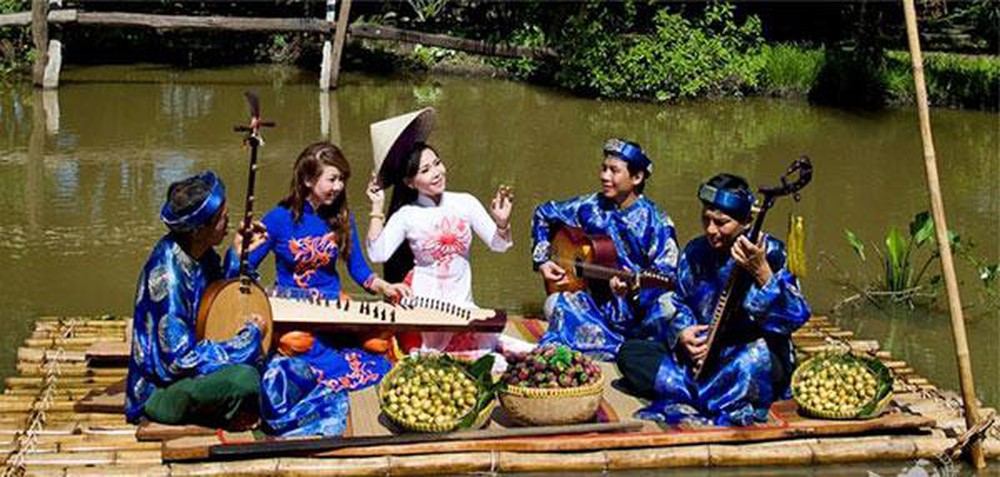
For the cultural observer seeking the true, nuanced, and lyrical soul of Southern Việt Nam, Đờn Ca Tài Tử Nam Bộ (literally, "Music and Song of the Talented Amateurs of the South") offers an indispensable, immediate insight. Recognized by UNESCO as a Masterpiece of the Oral and Intangible Heritage of Humanity in 2013, Tài Tử music is defined not by the solemn ritual of the North's Nhã nhạc or the rigid formality of Quan Họ. Instead, it is a uniquely intimate, passionate, and highly democratic art form—a direct expression of the open-hearted, free-spirited, and resilient character forged by the vast, fluid, and fertile landscape of the Mekong Delta. To witness Đờn Ca Tài Tử is to encounter the profound sense of longing, love, philosophical melancholy, and vital optimism that flows beneath the surface exuberance of the South.
As specialists in Vietnamese heritage and deep cultural analysis at Vietnam Charm, we embark on an essential, detailed exploration to decode this lyrical tradition. We will meticulously analyze the historical context of its formation, the crucial principle of improvisation that defines its aesthetics, the unique instrumental ensemble that gives it its signature sound, and the profound role this music plays in preserving the emotional landscape and pioneering spirit of the Southern Vietnamese people. Understanding Đờn Ca Tài Tử is essential to grasping the emotional fluidity and fierce independence of the Mekong civilization.
I. The Philosophical Foundation: Freedom, Spontaneity, and the Delta Landscape
Đờn Ca Tài Tử emerged in the late 19th and early 20th centuries, a relatively young art form compared to the ancestral traditions of the North and Center. Its very genesis reflects the pioneering spirit and the unique geographical context of the Mekong Delta, a region of constant movement and boundless horizons.
1. The Context of the Frontier (Mở Cõi)
The Mekong Delta region was settled much later than the North, characterized by its vast, fluid landscape of endless rivers, intricate canals, and dense, untamed jungles. Life here was historically defined by independence, hard work, and necessary flexibility. This frontier spirit inherently eschewed the strict, hierarchical formalities of the Imperial Court in Huế or the rigid protocols of the North, favoring instead intimacy, spontaneity, and direct emotional expression.
The term Tài Tử (Talented Amateur) is philosophically central to the art form. Unlike the professional court musicians or the dedicated Quan Họ guilds, Đờn Ca Tài Tử was initially performed by non-professional musicians and singers—landlords, wealthy farmers, and intellectuals who performed purely for pleasure and shared appreciation, not for payment. This democratic, non-commercial root meant the music belonged organically to the people and evolved spontaneously, reflecting their unfiltered emotions.
2. The Emotional Fluidity: Hơi (Modal Structure)
The vast emotional range of Đờn Ca Tài Tử is meticulously governed by its unique modal system, known as Hơi (Mode). While the music uses a limited set of core melodies (Bản), the emotion is manipulated entirely by subtly shifting the modal key and structure.
Hơi Bắc (Northern Mode): The mode of grandeur, associated with grand, solemn, and joyful themes. It is often used for celebratory occasions or expressions of heroism and political power.
Hơi Oán (Lamenting Mode): The most characteristic and deeply felt mode, associated with profound melancholy, longing, philosophical reflection on fate, and deep sadness. This mode lends the music its essential, deep lyrical quality and its intense trữ tình (romantic/sentimental) identity.
Hơi Xuân (Spring Mode): A lighter, more vibrant, and optimistic mode, often used to accompany lyrical descriptions of the delta's abundant nature and the hope of the planting season.
The performer's true mastery lies in their ability to subtly transition between these modes, sometimes mid-song, reflecting the complex, ever-changing emotional spectrum of human life in the fluid delta.
II. The Architecture of Sound: Improvisation and the Lyrical Dialogue
The sound of Đờn Ca Tài Tử is defined by the intimate conversation between its highly unique, distinct instruments, forming a seamless, lyrical dialogue that feels profoundly personal.
1. The Ensemble and the Stringed Conversation
The typical ensemble (ban nhạc) consists of three or four core string instruments, each acting as a distinct voice:
Đàn Kìm (Moon Lute): The unquestioned melodic leader. This two-stringed lute, with its distinct moon-shaped body, sets the pace and carries the main, fluid melody. Its sharp, clear voice provides the narrative drive.
Đàn Tranh (Zither): Provides crucial harmony, counter-melody, and rhythmic texture. The 16-string zither, known for its bright, cascading tone, often adds ornamentation and lyrical flourishes, like water rippling over the main melody.
Đàn Nhị (Two-String Fiddle): Known for its deep, emotional, and often human-like tone, the Đàn Nhị provides the melancholic, aching counterpoint to the Đàn Kìm, often mimicking the sound of profound contemplation or sustained longing.
2. The Vọng Cổ and The Philosophy of Spontaneity
The most crucial rhythmic and structural element is the Vọng Cổ (Nostalgia for the Past)—a slow, highly lyrical, and elongated style of singing that is unique to Southern music.
Rhythmic Freedom: Unlike the rigid phách (clapper) of Ca Trù, the tempo in Đờn Ca Tài Tử is highly flexible and spontaneous, allowing the singer immense time and space to stretch and ornament the notes (ngân), giving the performance its profound sense of emotional depth and narrative freedom. The singer is the master of time.
Improvisation as Integrity: The essence of the music is the performer's ability to improvise (biến tấu) around the core melodic structure (bản). A true Tài Tử musician is expected to add their own flourishes, rapid variations, and unique emotional interpretation to the standard melodies, making every performance a unique, unrepeatable artistic creation. This spontaneity is the true mark of integrity and talent in the South.
III. The Emotional Landscape: Preserving Memory and Community
Đờn Ca Tài Tử is deeply woven into the emotional and social fabric of the South, serving as the cultural glue that binds communities and preserves their collective lyrical memory.
1. The Ubiquitous Presence
The music is a ubiquitous, essential presence in Southern life, performed far beyond the formal stage: at major Hội Hè (Festivals and Celebrations), including Tết and harvest festivals; at intimate Họp Mặt (Family and Social Gatherings), reinforcing communal and familial bonds after a shared meal; and as the indispensable precursor and accompaniment to Cải Lương (Reformed Opera), the major theatrical form of the South. The music’s portability and flexibility mean it can be performed anywhere—from a grand stage to a simple garden shed—reflecting the adaptability and accessibility of the Southern people.
2. Lyrical Reflection of the South’s Heart
The lyrics of Đờn Ca Tài Tử focus intensely on themes directly relevant to the Southern experience, transforming the local landscape into poetry:
Nature and Water: The songs lyrically describe the delta's vast, shimmering rivers, the deep shade of lush orchards, the fragrance of local flowers, and the immense, open sky, reflecting the region’s geography as both a blessing and a challenge.
Patriotism and Pioneer Life: Themes often reflect the profound hardships of settling the frontier (mở cõi) and the immense resilience required to tame the Delta, honoring the ancestors' effort.
Love and Separation (Trữ Tình): The deepest, most enduring themes are often melancholic expressions of separation, longing for distant loved ones, and philosophical reflection on life's inevitable changes and fate. The lyrical expression provides a vital catharsis for the community's emotional burdens.
IV. Conclusion: The Lyrical Soul of the Mekong and the Power of the Amateur
Đờn Ca Tài Tử Nam Bộ is a profound, masterful testament to the cultural genius of Southern Việt Nam. It is an art form defined by its intimacy, its uncompromising emotional honesty, and its embrace of spontaneity and freedom. By analyzing its unique mode system, its flexible orchestration, and its reliance on the improvisational spirit of the Tài Tử (amateur), we understand how this music perfectly reflects the open-hearted, resilient, and lyrical soul forged by the immense landscapes of the Mekong Delta. This UNESCO INTANGIBLE HERITAGE is a powerful, enduring reminder that the most profound artistic expressions are often found not in the solemn halls of imperial power, but in the intimate, passionate conversations shared between talented friends in a quiet garden under the boundless Southern sky.
We are on social media
Vietnam Charm belongs to Vietpearl Travel., JSC
Contact:
Email: info@vietnamcharm.top
© 2026. by Vietnam Charm. All rights reserved
Travel license number: 01-827/2020
Refund Policy