Giảm giá hấp dẫn cho tour du lịch!


UNESCO INTANGIBLE HERITAGE: Ví and Giặm Folk Songs of Nghệ Tĩnh — Decoding the Lyrical Soul of Labor, Resilience, and Poetic Dialogue
The voice of the heartland: exploring how the melodic poetry of Ví and Giặm codifies the daily struggles, profound love, and indomitable spirit forged by the challenging terrain of Central Việt Nam.
WORLD HERITAGESHORE EXCURSION
Tobin Nguyen
11/11/20255 phút đọc
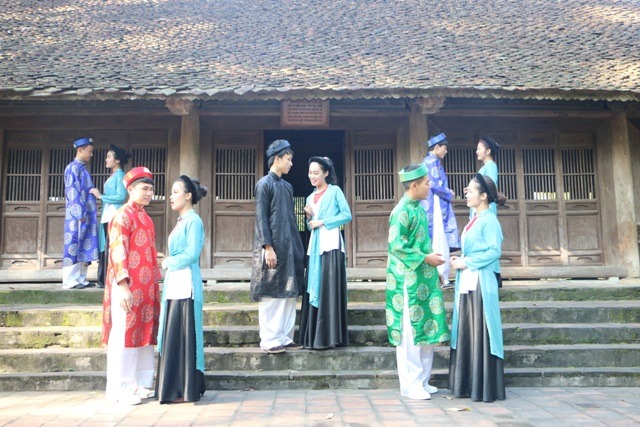
For the ethnographer, the cultural historian, and the traveler seeking the authentic, enduring spirit of Central Việt Nam, the Ví and Giặm Folk Songs of Nghệ Tĩnh (Dân ca Ví, Giặm Nghệ Tĩnh) offer an unparalleled window into the regional soul. Recognized by UNESCO as a Masterpiece of the Oral and Intangible Heritage of Humanity in 2014, this tradition is not a formalized stage art; it is an organic, deeply embedded cultural practice—a lyrical conversation that arises spontaneously from the rhythm of daily life and labor. Ví and Giặm are the melodic poetry through which the people of Nghệ An and Hà Tĩnh provinces communicate love, wisdom, critique social norms, and express the profound sense of resilience forged by their region’s historically challenging geography and climate.
As specialists in Vietnamese heritage and profound cultural analysis at Vietnam Charm, we embark on an essential, detailed exploration to decode this lyrical tradition. We will meticulously analyze the structural and lyrical differences between Ví and Giặm, the symbiotic relationship between the songs and the diverse forms of manual labor, the unique regional identity codified by the dialect, and the enduring role this music plays in preserving the stoic, romantic, and indomitable spirit of the Central Coast population. Understanding Ví and Giặm is essential to grasping the emotional depth and intellectual agility of the Vietnamese heartland.
I. The Philosophical Foundation: The Voice of Labor and Spontaneity
The essence of Ví and Giặm lies in its functionality and spontaneity. The songs were rarely planned or performed on a stage; they emerged naturally as a means of communication, relaxation, and flirtation during the long hours of communal labor. This integration into daily life makes the art form profoundly democratic.
1. The Genesis: Music of the Field and the Boat
Ví and Giặm emerged from the need to break the monotony of physical labor and to create a structured, musical dialogue between workers. The songs are inextricably linked to the specific environments and rhythms of work:
Ví Dặm on the Field: Songs emerged from activities like harrowing the field (cấy lúa), spinning silk (quay tơ), or rowing boats (chèo thuyền). The rhythm of the song often mimics the physical rhythm of the task—the steady pull of the oar, the rhythmic step of the loom, or the back-and-forth motion of weeding.
Dialogue as Relaxation: The singing transformed tedious, physical labor into a communal, intellectual game. By exchanging lyrical verses, workers engaged their minds and hearts, using the songs as a psychological tool to manage fatigue and to create social bonds that went beyond the immediate task.
2. The Language of the Homeland: Poetic Dialect
The unique, powerful identity of Ví and Giặm is tied directly to the Nghệ Tĩnh dialect, a distinct linguistic variant of Vietnamese. The local pronunciation, intonation, and vocabulary imbue the songs with an intensity, clarity, and unique tonal quality that is instantly recognizable and emotionally resonant to the region's inhabitants. This reliance on the local language affirms the music's deep-seated regional identity and its authentic voice of the people.
II. The Architecture of Sound: The Difference Between Ví and Giặm
The tradition encompasses two primary, distinct genres of folk singing, differentiated by their lyrical structure, meter, and rhythmic flexibility.
1. Ví: The Lyrical Interlude
Ví is characterized by its flexibility, improvisation, and intimacy. It is typically performed without accompaniment and relies entirely on the natural melody of the speaking voice, often described as sung speech.
Structure and Meter: Ví often utilizes a flexible meter, most commonly the lục bát (six-eight) or song thất lục bát (double seven-six-eight) poetic forms. The strength of Ví is the improvisational dialogue it facilitates, allowing two individuals to exchange verses that are spontaneous, witty, and rich in metaphor—often serving as the traditional, elegant means of courtship.
Function: Ví is the song of the individual's emotion—a spontaneous expression of love, nostalgia, or philosophical reflection, arising directly from the context of the work (e.g., Ví Phường Vải—singing while weaving).
2. Giặm: The Rhythmic Ensemble
Giặm is characterized by its stronger rhythm, fixed meter, and communal focus.
Structure and Meter: Giặm utilizes a rigid, fixed poetic meter, often based on four- or five-word lines (câu bốn, câu năm). This rhythmic structure makes it highly suitable for communal performance and collective response.
Function: Giặm is the song of the community—often used for teaching moral lessons, narrating local history, critiquing social injustice, or telling stories. It is typically performed by a group of people in an antiphonal (call-and-response) style, with one group posing a line and another group replying, creating a powerful, rhythmic choral effect.
III. The Symbiotic Relationship: Work, Dialogue, and Resilience
The longevity of Ví and Giặm is owed to its inseparable bond with the social and economic rhythm of Nghệ Tĩnh—a region known for its harsh climate, devastating floods, and periods of scarcity.
1. Music as a Tool of Social Critique
In a region often defined by political upheaval and intense poverty, Ví and Giặm served as a vital, necessary tool for social critique and emotional release. The songs could convey subtle, metaphorical dissatisfaction with local authority or critique unfair social practices without risking direct confrontation. The use of metaphor and hidden meaning (nói bóng, nói gió) allowed the people to voice discontent in a socially acceptable, artistic format. This function elevated the songs from mere entertainment to a form of quiet, cultural journalism.
2. The Poetics of Courtship and Morality
The songs served as the essential, formalized platform for courtship. Young men and women would engage in extended, public, musical dialogues, testing each other's knowledge of folk poetry, literary wit, and emotional sincerity before any physical commitment was made. This ritualistic, public dialogue ensured that courtship adhered to traditional moral codes and reinforced the value of intellectual and lyrical compatibility over material wealth. The poetry itself often includes moral instruction and life wisdom, passed down through the generations in easily memorized, lyrical verse.
IV. Challenges and Preservation: Sustaining Context and Purity
The preservation of Ví and Giặm faces the critical challenge of maintaining the functional context—the spontaneous link to labor—in a rapidly modernizing society.
1. The Threat of Disconnection from Labor
As manual labor shifts from communal fields and boat voyages to mechanized, individualized tasks, the spontaneous, organic context for the songs diminishes. The younger generation, moving to urban centers, loses the linguistic and communal need for Hát Đối Đáp (call-and-response). The essence of the music—its link to the rhythm of the loom, the sound of the oar, and the communal field—is difficult to replicate in a concert hall. The music risks becoming a museum piece rather than a living, functional art form.
2. Documentation and Education
UNESCO's designation provided critical validation, spurring intense national and regional efforts to document the immense repertoire of melodies and lyrics:
Archiving the Melodies: Efforts have focused on documenting the hundreds of melodic variations associated with different professions and villages, preserving the geographical diversity of the tradition.
Re-contextualization: Preservation strategy emphasizes integrating the music into modern educational systems and creating new, appropriate performance contexts (such as cultural exchanges and school programs) that respect the original spirit of spontaneous, lyrical dialogue, ensuring the knowledge transfer remains authentic.
V. Conclusion: The Lyrical Resilience of the Heart
The Ví and Giặm Folk Songs of Nghệ Tĩnh are a profound, essential testament to the lyrical genius and emotional resilience of the Central Vietnamese people. This music is the authentic voice of the heartland, carrying the weight of historical hardship and the joy of simple, daily living. By analyzing the flexible structure of Ví and the rhythmic power of Giặm, we understand how this art form transformed the arduous, physical realities of life into lyrical dialogues of love, wit, and moral critique. This UNESCO INTANGIBLE HERITAGE is an enduring, powerful reminder that the most profound artistic expressions often emerge not from luxury, but from necessity, enabling a stoic people to survive, communicate, and thrive through the enduring, honest poetry of their daily lives.
We are on social media
Vietnam Charm belongs to Vietpearl Travel., JSC
Contact:
Email: info@vietnamcharm.top
© 2026. by Vietnam Charm. All rights reserved
Travel license number: 01-827/2020
Refund Policy