Giảm giá hấp dẫn cho tour du lịch!

WHERE ANCIENT TRADITIONS AWAKEN — EXPLORING SACRIFICE, FERTILITY, AND THE TIMELESS RITUALS THAT BIND VIETNAM’S COMMUNITIES TO THEIR ANCESTRAL ROOTS.
More than spectacle: exploring Lễ Hội Chém Lợn (The Pig Slaughter Festival) and similar controversial folk rituals as Việt Nam’s ultimate archaic spiritual covenant, analyzing their profound function in regenerating communal fertility and cleansing malevolence, its role as a necessary spiritual catalyst for the agrarian cycle, and its embodiment of primal energy and communal cohesion.
VIETNAMESE CULTURETHE COSMIC TOLERANCELOCAL EXPERIENCES
Tobin Nguyen
11/8/20255 phút đọc
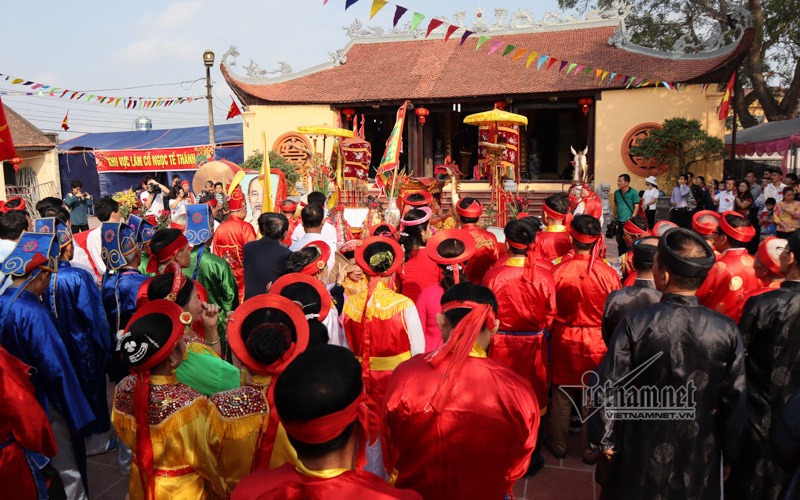
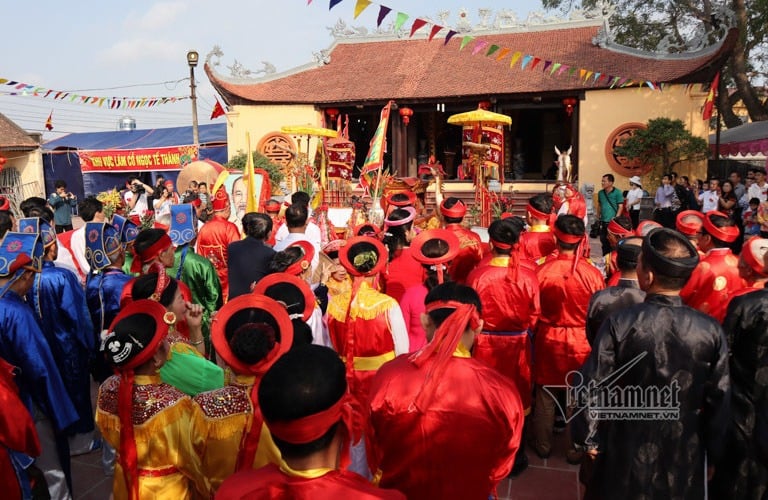
For the international anthropologist, the student of comparative ritual, and the seeker of the nation’s deepest, most challenging spiritual roots, Controversial Folk Festivals—such as the Pig Slaughter Festival (Lễ Hội Chém Lợn) of the Bắc Ninh region or other rites involving intense, visible sacrifice—are not arbitrary displays of violence. They are the nation’s most profound, most demanding, and most ancient spiritual technologies—archaic, high-stakes rituals asserting an ultimate, non-negotiable truth: life requires sacrifice, fertility requires blood, and the prosperity of the communal soul must be ritually renewed through a violent, public act of offering and purification. These festivals are the necessary moment where the disciplined order of the agrarian year yields to the primal, raw energy of the sacred, ensuring the continuous, brutal cycle of death and rebirth.
As specialists in Vietnamese heritage and profound cultural analysis at Vietnam Charm, we embark on an essential, detailed exploration to decode this challenging, intense spiritual philosophy. We will meticulously analyze the historical mandate that required visible sacrifice for communal renewal, the cosmological function of the visible blood as a guarantor of agrarian fertility and ritual purification, the sociological role of the public ritual in reinforcing communal cohesion and shared spiritual fate, and the profound way these rites articulate the core national values of primal energy, disciplined spiritual endurance, and the unyielding covenant with the Earth's fertility. Understanding these primal rites is essential to grasping the emotional depth and the challenging, raw integrity of the nation's spiritual history.
1. The Historical Mandate: Sacrifice and the Renewal of the Communal Covenant
The genesis and the enduring, necessary function of Sacrificial Folk Rites are rooted in a clear historical and spiritual mandate: the necessity of performing a visible, high-stakes sacrifice to ritually cleanse the community of accumulated misfortune (tà khí) and renew the covenant with the Thần (Local Deities) and the Thổ Địa (Earth Spirits) for the guarantee of agrarian fertility.
The Logic of Renewal: In the ancient agrarian mind, the well-being of the village (làng) was inherently linked to the favor of the local spirits and the annual cycle of renewal. Hardship, disease, and poor harvest were viewed as signs of spiritual displeasure or moral lapse. The ritual sacrifice—often the centerpiece of the annual Kỳ Yên Festival—was the most powerful, non-negotiable act of collective atonement and plea for clemency. The animal, raised specifically for this purpose (the Ông Ỉn in the Pig Slaughter Festival), is consecrated as the sacred substitute for the community, carrying the accumulated negative karma and misfortune away with its blood.
The Public Act: The sacrifice is always public, collective, and visible. This visibility is essential for the ritual's efficacy; it ensures that every member of the community witnesses the act, participates in the shared spiritual trauma, and collectively affirms their commitment to the spiritual cleansing. The public performance transforms the act from a private, brutal event into a communal, sacred spectacle of spiritual necessity. The public ritual asserts that collective survival requires shared spiritual discipline and mutual sacrifice.
2. The Cosmological Function: Blood, Fertility, and the Earth's Cleansing
The spiritual power of these rites is rooted in a fundamental cosmological function: the belief that the visible, fresh máu (blood) is the ultimate catalyst for fertility, purification, and the regeneration of the Earth’s energy.
Blood as the Guarantor of Fertility: In many archaic agrarian systems, blood—the visible essence of life—is viewed as the most potent, most essential offering to guarantee the fertility of the soil, the rice, and the animals. The ritual involves collecting and utilizing the fresh blood (often ritually smeared on ritual objects or scattered near the fields) as a sacred, life-giving essence to awaken and stimulate the Earth spirits, ensuring a potent, prosperous growing season. The offering is a direct, intense communication with the Địa Mẫu (Earth Mother), demonstrating the community's willingness to return life force to the soil in exchange for its abundance.
Purification and Expulsion: The spectacle of the ritual serves as a profound tool for spiritual expulsion and psychological catharsis. The visible, intense act of sacrifice focuses the community's collective fear, anxiety, and accumulated misfortune onto the sacred victim. The sacrifice is a spiritual explosion that violently expels the tà khí (negative energy) from the communal boundary. The resulting emotional release allows the community to enter the new season spiritually cleansed, unified, and psychologically prepared for the year's labor. The ritual transforms primal fear into disciplined, synchronized spiritual action.
3. The Sociological Role: Unity, Shared Fate, and the Test of Will
The Sacrificial Folk Rites fulfill a vital sociological role that transcends the spiritual: they are the ultimate, intense mechanism for reinforcing communal cohesion, defining the boundary of the làng (village), and testing the collective will.
Shared Spiritual Fate: The collective participation in the intense, challenging ritual ensures that every member of the community is bound by a shared spiritual fate. The intensity of the spectacle fosters an immense, primal sense of đoàn kết (unity)—a deep, non-verbal understanding that their survival is inextricably linked. The memory of the shared, intense experience becomes a powerful, unshakeable anchor for communal identity, ensuring that the local làng remains a unified, cohesive unit against external pressures. The ritual is the annual, high-stakes covenant of mutual responsibility.
The Test of Will: For the local young men who are tasked with performing the ritual act itself (often members of specific, respected local lineages), the performance is the ultimate test of courage, disciplined precision, and spiritual readiness. Their ability to perform the ancient, complex, and highly disciplined act correctly and cleanly is a public affirmation of their spiritual and physical authority within the community. The ritual is thus a mechanism for transmitting social authority and demonstrating moral fortitude across generations.
4. The Ethical Challenge: Archaic Ritual in a Modern Context
The current controversy surrounding Sacrificial Folk Rites highlights a profound ethical and sociological challenge—the tension between the archaic spiritual necessity of the isolated agrarian past and the ethical demands of globalized, contemporary urban society (which prioritizes gentleness, animal welfare, and non-violence).
Clash of Mandates: The rituals were established under a clear historical mandate of survival where the visible sacrifice was deemed absolutely necessary for the life of the village. For the local community, the rite is not about cruelty; it is about spiritual fidelity and the pragmatic guarantee of their livelihood. However, the public nature of the modern ritual—now transmitted globally via media—clashes directly with the modern, compassionate mandate that rejects the public display of pain. The ritual, which once affirmed local order, now becomes a global symbol of cultural conflict.
The Defense of Tradition: The defenders of the rites often assert that the ritual is the non-negotiable anchor of their cultural identity and ancestral memory. To eliminate the intense, sacrificial core is, in their view, to sever the spiritual contract that has protected the village for centuries, putting the community at risk of spiritual and agrarian collapse. The debate becomes a powerful, emotional dialogue between the primal need for spiritual power and the modern desire for ethical gentleness. The challenge is to find a form of ritual sublimation that preserves the spiritual core while respecting the contemporary ethical mandate.
5. Conclusion: The Permanent Testament to the Earth's Covenant
Controversial Folk Festivals (Sacrificial Rites) are the ultimate, enduring, and most challenging testament to the Vietnamese spirit's primal energy, spiritual discipline, and profound commitment to the raw covenant with the Earth. They are an archaic philosophy that transforms violent sacrifice into a necessary mechanism for communal purification and renewal. By analyzing the historical mandate that required public sacrifice for fertility, the cosmological function of blood as the guarantor of the Earth's cleansing, the sociological role of affirming communal unity and spiritual accountability, and the intense ethical challenge posed by modern global sensitivity, the observer gains access to a core, challenging truth: these rites are far more than spectacle. They are the permanent, unwavering declaration of the primal covenant—a powerful, raw assertion that asserts the cultural value of disciplined spiritual endurance, collective fate, and the belief that the purest, most enduring forms of communal stability are achieved through the profound, demanding, and sometimes brutal submission to the continuous, violent cycle of death and spiritual rebirth.
We are on social media
Vietnam Charm belongs to Vietpearl Travel., JSC
Contact:
Email: info@vietnamcharm.top
© 2026. by Vietnam Charm. All rights reserved
Travel license number: 01-827/2020
Refund Policy