Giảm giá hấp dẫn cho tour du lịch!



WORLD HERITAGE SITE: Thăng Long Imperial Citadel — Excavating a Thousand Years of Political Layers Beneath Modern Hà Nội
The eternal capital: tracing the unbroken 13-century political history where the foundations of Đại Việt lie buried beneath the palaces of the Lê, Lý, and Nguyễn Dynasties, forming the indelible soul of modern Hà Nội.
WORLD HERITAGESHORE EXCURSION
Tobin Nguyen
11/7/20256 phút đọc
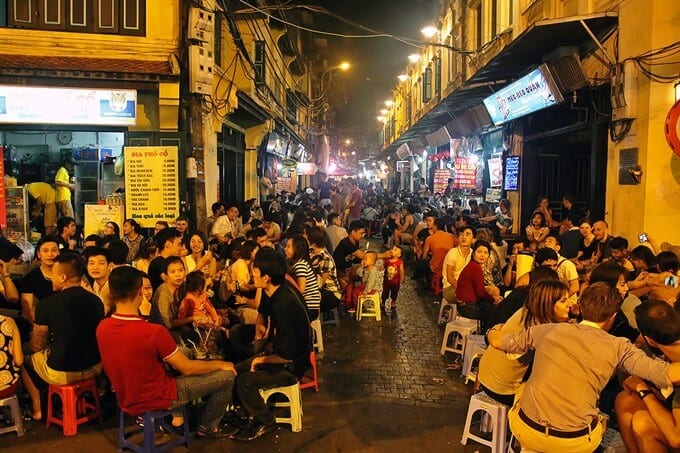
For historians, archaeologists, and travelers seeking the enduring heartbeat of Việt Nam’s sovereignty, the Central Sector of the Imperial Citadel of Thăng Long—Hà Nội stands as an unparalleled historical treasure. Recognized by UNESCO as a World Heritage Site in 2010, this complex is not defined by the height of its walls or the grandeur of its standing palaces (much of which was lost to time and conflict). Instead, its profound and unique value lies in the archaeological layers—the continuous, unbroken stratification of power that has occupied this exact location for over 13 consecutive centuries. To walk the grounds of Thăng Long is to walk upon a living, compressed timeline, where the foundations of the ancient capital of Đại Việt lie literally buried beneath the modern capital of Hà Nội.
As specialists in Vietnamese heritage, complex history, and cultural analysis at Vietnam Charm, we embark on an essential, detailed excavation to decode this historical epicenter. We will meticulously analyze the principle of continuity that defines the site, the political philosophy that guided its urban planning, the immense challenges of urban archaeology in a modern metropolis, and the enduring spiritual significance of the Citadel as the Axis Mundi of the Vietnamese nation. Understanding Thăng Long is essential to understanding the persistence of the Vietnamese state across a millennium of dynastic change and geopolitical upheaval.
I. The Principle of Continuity: A 13-Century Political Heart
The single most distinguishing feature of the Thăng Long Citadel is its political and geographical continuity. From the 7th century onward, this precise location has served as the continuous seat of power for successive Vietnamese ruling entities.
1. From Đại La to Thăng Long: The Dawn of Sovereignty
The site’s political importance began long before the imperial era. As early as the 7th century (under the Chinese Tang Dynasty), the location was established as the center of administration, known as Đại La. The critical turning point came in 1010 AD, when King Lý Thái Tổ moved the capital from Hoa Lư (Ninh Bình) and issued the seminal "Edict on the Transfer of the Capital." Upon arriving, the King allegedly saw a golden dragon ascending, inspiring the name Thăng Long (Ascending Dragon).
The transfer of the capital marked a definitive declaration of independence and established Thăng Long as the spiritual, political, and cultural epicenter of the independent Vietnamese state, a role it retained until 1802 when the Nguyễn Dynasty moved the capital south to Huế. The persistent choice of this location across time confirms its superior Feng Shui and its strategic defensive capabilities.
2. The Layers of History: A Unique Archaeological Challenge
The UNESCO recognition in 2010 came specifically because of the superimposed stratification revealed during excavations—a phenomenon rare in global archaeology. The successive imperial palaces and administrative structures did not simply move; they were built directly on top of the foundations of the previous dynasty, creating distinct, preserved cultural layers:
The Layer of the Lý Dynasty (11th-13th century): Characterized by fine ceramics, sophisticated decorative arts (dragons, phoenixes), and evidence of grand scale, reflecting the dynasty's early, independent zenith.
The Layer of the Trần Dynasty (13th-14th century): Evidence of military fortifications, indicating periods of geopolitical tension, particularly during the resistance against the Mongol invasions.
The Layer of the Lê Dynasty (15th-18th century): Marked by the construction of grand palaces and large communal spaces, reflecting a long period of centralized feudal governance and cultural flourishing.
The Layer of the Nguyễn Dynasty (19th century): Characterized by the dismantling of the old palaces and the construction of smaller, more simplified administrative structures, reflecting the shift of the political capital to Huế.
This unique stacking of history makes the ground itself the primary exhibit, demonstrating an unbroken chain of governance over a thousand years.
II. The Architecture of Governance: Planning and Philosophy
While much of the grand imperial architecture of the Lý and Lê Dynasties was deliberately dismantled or destroyed (particularly by the succeeding Nguyễn Dynasty when they moved the capital), archaeological and historical evidence reveals a sophisticated, philosophically guided urban plan.
1. The Geometry of Power
The Citadel’s planning strictly adhered to cosmological principles, mirroring the design philosophy of the universe, albeit on a northern, flatter plain:
Inner and Outer Rings: The Citadel comprised multiple concentric rings of walls and fortifications, ensuring maximum security and reflecting the hierarchical structure of power—the Emperor at the most protected core.
Central Axis: Like the later Huế Citadel, Thăng Long featured a strong, pronounced central axis running north-south, aligning the most important ritual and governance structures (like the Kính Thiên Palace) with the cosmic flow and the Emperor's role as the Son of Heaven.
Gateways and Symbolism: Major gateways, such as the Đoan Môn (South Gate), were built with complex multi-tiered towers, reflecting the imperial aspiration and acting as the ceremonial entrance to the palace compound.
2. The Enduring Structures: Đoan Môn and Kính Thiên
Although most palaces vanished, two essential structures remain standing or preserved:
The Đoan Môn (South Gate): This majestic, preserved gate served as the primary entrance to the Inner Citadel. Its multiple arched doorways and upper viewing platform underscore its function as the ceremonial threshold between the external world and the Emperor’s immediate domain.
The Kính Thiên Palace Foundation: The original palace, the heart of the complex where the Emperor conducted the most important state affairs, was destroyed. However, its foundation, marked by the magnificent, carved stone steps featuring powerful Lê Dynasty Dragons, remains. These carvings, with their intricate detail and dynamic form, are prime examples of 15th-century Imperial art and serve as the most visible connection to the grand palaces that once stood.
III. The Challenge of Urban Archaeology and Excavation
The modern discovery and conservation of the Thăng Long Citadel present one of the most significant and challenging urban archaeology projects in Southeast Asia, demanding a delicate balance between preservation and the demands of a modern metropolis.
1. The Unexpected Discovery
The most extensive and profound archaeological excavations began serendipitously in 2002, during construction work for the new National Assembly building adjacent to the military headquarters. The discovery of large-scale foundations, well-preserved ceramics, and sophisticated drainage systems confirmed the extraordinary depth and importance of the historical layers, leading directly to the UNESCO nomination.
2. The Conservation Dilemma
The challenge remains immense: how does one preserve over a thousand years of delicate archaeological stratification (wood, ceramics, foundations) while the site is surrounded by a bustling capital city of eight million people?
In-Situ Preservation: Archaeologists often opt for in-situ preservation, protecting the excavated remains exactly where they were found, sometimes under specialized roofing or glass, to maintain their historical context.
The Modern Barrier: The modern military and government use of the site for decades ironically acted as a protective barrier, shielding the underlying remains from destructive modern commercial development that destroyed similar sites in other cities.
The ongoing effort to excavate, study, and display the artifacts—which include massive amounts of Imperial ceramics, bronze objects, and architectural fragments—is a constant dialogue between the past and the demands of the present.
IV. The Spiritual and Social Significance: The Enduring Axis Mundi
The Thăng Long Citadel remains the enduring Axis Mundi—the spiritual center of the universe—for the Vietnamese people, even centuries after the political capital moved south.
1. The Cột Cờ Hà Nội (Hanoi Flag Tower)
The Cột Cờ Hà Nội (Hanoi Flag Tower), a towering structure built in the early 19th century, stands today as a powerful, non-negotiable symbol of national sovereignty and enduring spirit. It is one of the few Nguyễn Dynasty structures built within the Citadel walls to survive intact. The flag flying from the top is a constant, visible reminder of the thousand-year history of independence and self-rule that originates from the very ground beneath the Citadel.
2. The Cultural Pilgrimage
The Citadel site has transitioned from a forbidden, private zone of imperial power to a public space for cultural pilgrimage. Vietnamese people visit the site to connect with their historical roots, reaffirming the long tradition of the Lý, Trần, and Lê Dynasties. The site serves as a physical reference point for national narratives taught in schools, emphasizing the persistence and continuity of the nation's identity despite periods of foreign domination or internal conflict.
V. Conclusion: The Persistence of the Ascending Dragon
The Central Sector of the Imperial Citadel of Thăng Long—Hà Nội is a monument to the relentless power of historical continuity. It is a site defined not by what stands tall today, but by the myriad layers of history meticulously preserved beneath the ground. The persistence of power on this exact geographical spot for over 13 centuries—from Đại La to Thăng Long to modern Hà Nội—serves as the ultimate testament to the resilience, strategic vision, and sovereign identity of the Vietnamese nation. This World Heritage Site allows the traveler to feel the weight of a thousand years compressed beneath their feet, truly embodying the spirit of the Ascending Dragon.
We are on social media
Vietnam Charm belongs to Vietpearl Travel., JSC
Contact:
Email: info@vietnamcharm.top
© 2026. by Vietnam Charm. All rights reserved
Travel license number: 01-827/2020
Refund Policy